Ariana Papademetropoulos's Aquatic Reverie: A 14-Foot Installation Disrupts Parisian Norms
Artist Ariana Papademetropoulos's monumental 14-foot aquarium in Paris redefines immersive art. A fusion of surrealism, engineering, and avant-garde fashion.
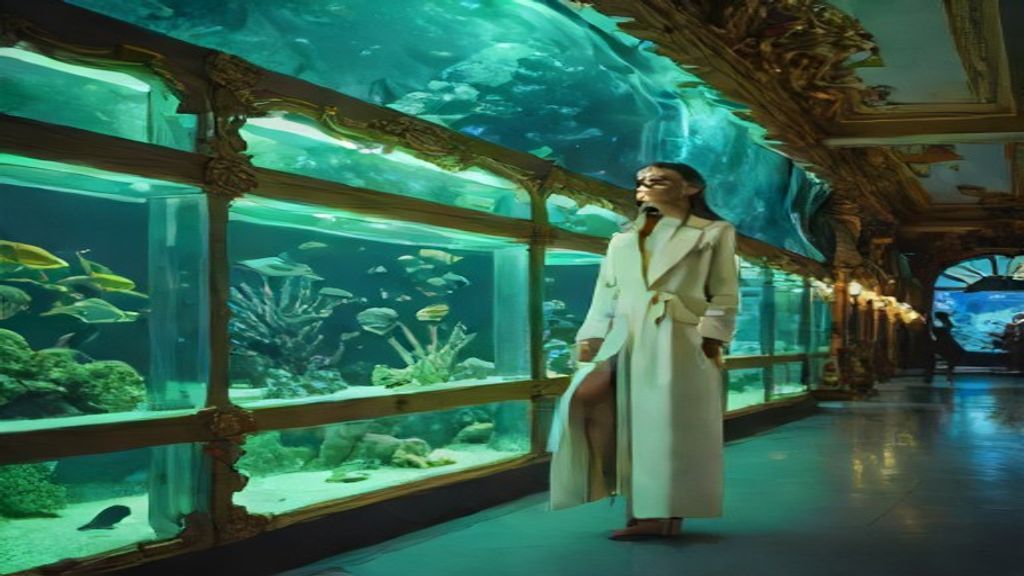
Plate · Ariana Papademetropoulos's Aquatic Reverie: A 14-Foot Installation Disrupts Parisian Norms
Ariana Papademetropoulos's Aquatic Reverie: A 14-Foot Installation Disrupts Parisian Norms
In a city perpetually redefining the intersection of art and luxury, Ariana Papademetropoulos has unveiled a structural anomaly that transcends mere exhibition: a monumental 14-foot aquarium. This audacious installation in Paris is not merely a display of aquatic life; it is a meticulously engineered, performative sculpture that challenges conventional aesthetic frameworks and invites a profound re-evaluation of immersive art within the contemporary cultural zeitgeist. For the discerning eye attuned to the subtle shifts in luxury fashion and conceptual design, Papademetropoulos’s work represents a kinetic dialogue between the natural and the constructed, the ephemeral and the enduring. It's an architectural marvel reimagined as a living, breathing canvas, perfectly encapsulating the spirit of experiential design that permeates both high art and avant-garde fashion today.
The Vision: Engineering Surrealism at Scale
Papademetropoulos, renowned for her uncanny ability to infuse domestic banality with surrealist tension, elevates this artistic methodology to an unprecedented scale. Her previous works, often characterized by hyperreal paintings and installations that blur the lines between reality and illusion, find their apotheosis in this Parisian project. The aquarium, a quintessential symbol of contained nature, becomes a vast, living canvas, a bespoke ecosystem meticulously curated to evoke a dreamlike state. It's an exploration of controlled chaos, where the inherent unpredictability of aquatic life is framed within a rigid, yet transparent, architectural construct. This controlled environment, paradoxically, amplifies the raw beauty of nature, presenting it through a meticulously crafted lens.
The conceptual underpinning is critical. This isn't just an aesthetic spectacle; it's a commentary on perception, on the human desire to encapsulate and control the wild. The choice of a 14-foot scale is deliberate, transforming a familiar object into an overwhelming presence, a visual narrative that dominates its environment. This grandiosity mirrors the ambition often seen in haute couture presentations, where scale and meticulous detail combine to create a singular, unforgettable experience. The artist’s intent is to disrupt, to force an encounter that is both beautiful and subtly disorienting, echoing the avant-garde spirit that often defines groundbreaking fashion. The installation itself performs, continually shifting its visual output in response to internal biological rhythms and external light dynamics.
"Papademetropoulos's aquarium is a masterclass in controlled chaos, a living sculpture that redefines the parameters of immersive art and challenges our perception of engineered beauty."
Materiality and Performance: A Techwear Lens on Aquatic Architecture
From a techwear performance perspective, the aquarium is a triumph of material science and structural engineering. The transparent panels, likely constructed from advanced acrylic or specialized glass composites, demonstrate superior clarity and tensile strength, akin to the innovative performance textiles seen on cutting-edge runways. These materials are chosen not just for their aesthetic appeal but for their functional integrity under immense pressure, maintaining optimal visual fidelity without compromising safety or structural stability. The seamless integration of filtration systems, temperature controls, and sophisticated lighting arrays is a testament to precision engineering, ensuring the optimal performance and longevity of this living installation. This focus on functionality, durability, and aesthetic integration resonates deeply with the core tenets of techwear fashion, where form follows an elevated function, and every component is optimized for peak output.
- Structural Integrity: The immense water volume—tens of thousands of liters—necessitates a robust, precision-engineered framework. This silent infrastructure, often hidden, is a testament to the unseen forces maintaining the serene facade, much like the advanced internal construction of bespoke garments.
- Illumination Dynamics: Advanced LED systems are likely employed to mimic natural light cycles, influencing the aquatic flora and fauna, and creating dynamic visual shifts. These programmed lighting scenarios transform the tank's ambiance from dawn's subtle glow to twilight's deep hues, mirroring the adaptive and responsive qualities desired in digital fashion interfaces and smart textiles.
- Water Quality Management: A hidden network of pumps, bio-filters, and oxygenators ensures pristine conditions, a critical aspect of maintaining the health and vibrancy of the ecosystem. This meticulous care for the internal environment parallels the rigorous selection and processing of sustainable design materials for luxury garments, where ethical sourcing and material longevity are paramount.
- Thermal Regulation: Maintaining a consistent water temperature is crucial for aquatic life. Integrated heating and cooling systems, often unseen, exemplify precise environmental control, a concept increasingly vital in the development of climate-adaptive wearable art.
The sheer scale of the installation transforms the contained ecosystem into a dynamic, ever-changing tableau. The interaction of light with water, the fluid movements of the fish, and the organic growth of the plant life create a constantly evolving silhouette of motion and reflection. This kinetic energy is a powerful counterpoint to the static nature of traditional sculpture, offering a sensory experience that is both meditative and profoundly engaging. It's a living, breathing textile, constantly re-weaving its own visual narrative, a performance art piece rendered in water and light.
Fashion's Aquatic Mirror: Inspiration and Interdisciplinary Intersection
The immediate relevance of Papademetropoulos’s installation to the world of fashion is undeniable. The contemporary fashion landscape is increasingly drawn to interdisciplinary collaborations and experiential design. Designers are no longer confined to fabric and form; they seek to create worlds, narratives, and immersive environments that enhance the garment's story. This aquarium serves as a potent microcosm of such aspirations, a living laboratory for aesthetic exploration that transcends traditional artistic boundaries. It’s a compelling example of how contemporary art directly informs and elevates sartorial expression.
Fluidity and Form: New Design Paradigms Emerge
The aquarium's inherent fluidity, its shifting light, and the organic contours of its inhabitants offer a rich palette of inspiration for sartorial innovation across various design disciplines:
- Color Palettes: The deep blues, vibrant greens, iridescent flashes of schooling fish, and subtle earth tones of substrate provide a natural source for seasonal color stories. These aren't merely hues but the dynamic interplay of light and shadow on living forms, moving beyond conventional trend forecasting to capture a more organic, reactive spectrum.
- Texture and Transparency: The interplay of translucent water, shimmering scales, and undulating plant life suggests new approaches to materiality. This could inspire the development of fabrics with similar qualities—from sheer organzas and layered tulles that mimic water's depth to iridescent performance synthetics that refract light like fish scales, or even bio-engineered textiles with responsive, fluid properties.
- Movement and Drape: The graceful, unforced motion of fish through water can inform drapery, tailoring, and the very silhouette of garments. This encourages designers to create pieces that move with the wearer with an organic elegance, emphasizing fluidity and ease rather than rigid structure, echoing the principles of prêt-à-porter elevated by conceptual thought.
- Biomorphism: The natural forms within the aquarium are a direct link to biomorphism, a design philosophy that draws inspiration from natural shapes and processes. This influence can be seen in everything from accessory design (jewelry mimicking coral structures) to architectural garments with organic, flowing lines, and even footwear that ergonomically adapts to the foot's natural contours.
- Sustainable Aesthetics: The self-sustaining nature of a well-maintained aquarium subtly speaks to principles of sustainability and circular design. Fashion can draw parallels in closed-loop systems, responsible material sourcing, and designs built for longevity, mirroring the delicate balance required for an aquatic ecosystem to thrive.
This installation serves as a powerful reminder that true innovation often springs from unexpected sources. It challenges designers to look beyond the conventional fashion show runway and consider the broader cultural landscape for inspiration. The emphasis on curation, the meticulous selection of each element within the aquatic environment—from the species of fish to the specific rock formations—mirrors the precise editorial eye required for a cohesive and impactful collection, where every detail contributes to a singular vision.
"The aquarium isn't just art; it's a living mood board, offering fashion designers an unparalleled study in fluidity, transparency, and the dynamic interplay of light and form, pushing the boundaries of material and movement."
Parisian Context: A New Iconography for Cultural Dialogue
Placing such a profound work in Paris, a global epicenter of luxury fashion and fine art, amplifies its impact exponentially. The city, with its rich history of groundbreaking artistic movements and its unwavering commitment to aesthetic excellence, provides the perfect backdrop. This installation is a deliberate counterpoint to the city's architectural heritage, a modern intervention that speaks to the future of art and design while respecting its storied past. It's a testament to Paris's enduring capacity for reinvention, its ability to integrate the radically new into its timeless fabric, affirming its position at the forefront of the cultural zeitgeist.
The aquarium becomes a temporary landmark, drawing comparisons to other ephemeral yet iconic installations that have graced Parisian venues, from Christo's wrapped monuments to Olafur Eliasson's luminous interventions. It fosters a crucial dialogue between the art world and the fashion industry, often two distinct but increasingly intertwined spheres. Its presence during a significant cultural moment—perhaps coinciding with a Paris Fashion Week or a major art fair—would undoubtedly generate significant buzz, positioning it as a must-see for industry insiders and the wider public alike. It elevates the discussion from mere trend-spotting to a deeper exploration of contemporary art's influence on sartorial expression, underscoring the interdisciplinary nature of modern creative pursuits.
Concluding Insights: The Future of Experiential Design and Beyond
Ariana Papademetropoulos's 14-foot aquarium in Paris is more than an exhibition; it is an epochal statement on the evolving nature of art and its profound resonance with the fashion industry. It champions an interdisciplinary approach, demonstrating how meticulous engineering, conceptual depth, and a surrealist sensibility can converge to create a truly transformative sensory experience. As fashion increasingly pivots towards narrative, authenticity, and experiential design, installations like this serve as vital touchstones, charting new territories for inspiration and engagement, and redefining the very essence of performance and presence in our hyper-connected world.
The lessons gleaned from this monumental work extend beyond mere aesthetics. They speak to the power of material innovation, the importance of structural integrity in ambitious projects, and the enduring human fascination with nature, even when meticulously contained. Papademetropoulos has not just installed an aquarium; she has constructed a portal, inviting viewers to immerse themselves in a curated dreamscape that will undoubtedly influence future dialogues in both art and fashion, pushing the boundaries of what is possible and redefining the very essence of performance and presence in our hyper-connected world. Her work underscores a fundamental truth: the most compelling narratives are often those that transcend traditional boundaries, creating a unified, powerful statement across disciplines, much like a perfectly curated prêt-à-porter collection that tells a cohesive story.
This installation solidifies Papademetropoulos’s position as a visionary artist, one who understands that true impact lies in creating not just objects, but environments—living, breathing spaces that challenge, inspire, and ultimately, redefine our understanding of beauty, performance, and the delicate balance between human intervention and natural wonder. It is a testament to the symbiotic relationship between artistic ingenuity and the relentless pursuit of innovation that defines the pinnacle of both contemporary art and premium fashion.