Navigating the New Luxury Paradigm: LVMH's Q1 Correction and Courrèges' Strategic Evolution
As LVMH faces a market correction, Courrèges signals new direction with Drew Henry's appointment, spotlighting luxury's imperative shift towards sustainable resilience.
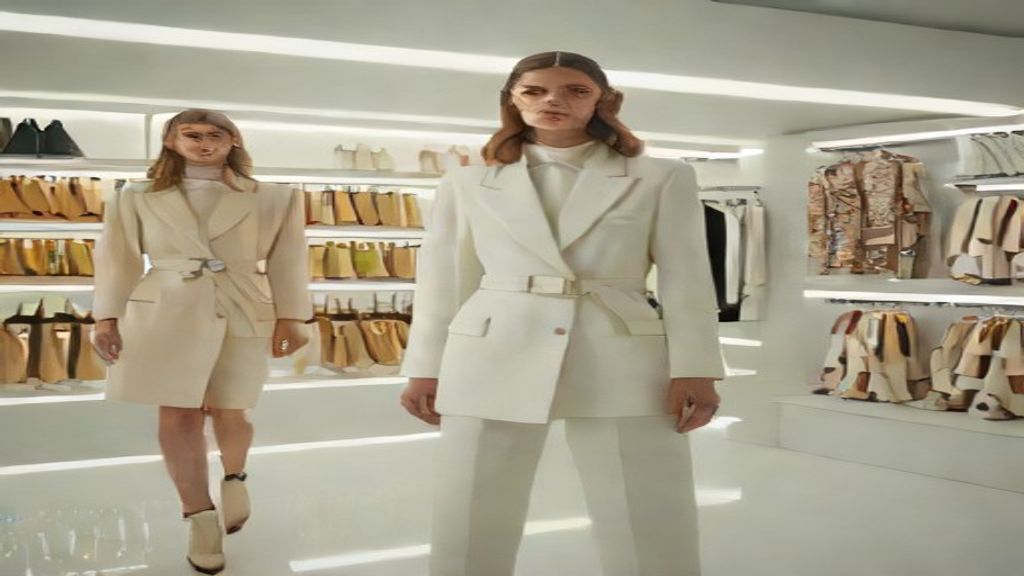
Plate · Navigating the New Luxury Paradigm: LVMH's Q1 Correction and Courrèges' Strategic Evolution
The luxury fashion landscape, often perceived as an impenetrable fortress of perpetual growth, is increasingly subject to the volatile currents of global economics and evolving consumer values. This week, the industry finds itself at a pivotal juncture, grappling with both market corrections and strategic leadership shifts that underscore a profound re-evaluation of what constitutes success. The news that LVMH, the world's largest luxury conglomerate, experienced a significant dip in its Q1 share performance sends ripples across the sector, prompting introspection into the very foundations of luxury's expansive model. Simultaneously, the appointment of Drew Henry to steer the iconic French house Courrèges signals a strategic recalibration, perhaps hinting at a future where heritage and innovation converge with a renewed emphasis on responsible growth. As senior editors, we observe these developments not merely as financial headlines or executive appointments, but as crucial indicators of luxury’s imperative journey towards a more sustainable and resilient paradigm.
Navigating the Shifting Sands: LVMH's Q1 Performance and Luxury's Reckoning
The first quarter of 2024 delivered a sobering reality check for LVMH Moët Hennessy Louis Vuitton, as its shares recorded a notable decline, reflecting broader anxieties within the luxury sector. While market fluctuations are an inherent part of the economic cycle, this particular dip appears to be more than just a transient blip. It signals a potential deceleration from the unprecedented post-pandemic boom that saw luxury brands achieve record revenues, fueled by pent-up demand and increased discretionary spending. Now, with inflation persistent, interest rates high, and geopolitical tensions casting long shadows, the discerning luxury consumer is exercising greater caution, prioritizing enduring value and considered purchases over impulsive acquisitions.
The conglomerate’s vast portfolio, encompassing powerhouses like Louis Vuitton, Dior, Tiffany & Co., and Sephora, makes its performance a bellwether for the entire industry. While specific divisional breakdowns are yet to fully emerge, the general sentiment points to a softening in key markets, particularly China, where economic recovery has been slower than anticipated, and in the United States, where affluent consumers are feeling the pinch of broader economic uncertainty. This isn't merely about luxury consumers having less disposable income; it’s about a fundamental shift in how they choose to spend it. The era of ostentatious, fast-paced luxury is gradually giving way to a more nuanced appreciation for quality, provenance, and the intrinsic value of an item.
The Imperative of Introspection for Luxury Giants
For a behemoth like LVMH, such market corrections serve as a potent call for introspection. The relentless pursuit of quarterly growth, while financially expedient, often places immense pressure on supply chains, natural resources, and creative teams. A slowdown, therefore, presents a unique opportunity to recalibrate strategies, focusing not just on market share expansion but on embedding resilience and responsibility into the very fabric of their operations. This means prioritizing sustainable practices, investing in ethical sourcing, and fostering circularity across their vast network of brands. The future of luxury cannot simply be about more; it must be about better.
"The era of unchecked luxury expansion is giving way to a more discerning consumer, one who demands provenance, purpose, and enduring value beyond fleeting trends. This market correction is a powerful catalyst for genuine sustainable transformation."
The questions facing LVMH, and indeed the entire luxury ecosystem, are profound: How do brands maintain allure and exclusivity while embracing transparency? How can they innovate sustainably without compromising the craftsmanship and heritage that define them? The answers lie in a strategic pivot towards long-term value creation, where environmental stewardship and social equity are not just compliance checkboxes but integral components of brand identity and business success.
- Consumer Sentiment Evolution: A growing demand for transparency, ethical production, and genuine brand purpose.
- Economic Headwinds: Persistent inflation, high interest rates, and cost-of-living pressures impacting discretionary spending across all demographics.
- Geopolitical Instability: Disruptions to global supply chains and a chilling effect on market confidence in key luxury regions.
- Sustainability as a Value Driver: Brands with verifiable commitments to environmental and social responsibility are increasingly preferred by a conscious clientele.
Courrèges' Calculated Evolution: A New Chapter with Drew Henry
In stark contrast to the market jitters surrounding conglomerates, the appointment of Drew Henry as the new CEO of Courrèges offers a glimpse into the strategic recalibrations individual luxury houses are making to navigate this evolving landscape. Courrèges, a brand synonymous with space-age modernism and a distinctly minimalist, future-forward aesthetic since its founding by André Courrèges in 1961, has always championed innovation and enduring design. Its iconic A-line dresses, vinyl jackets, and clean lines embody a timelessness that inherently aligns with principles of longevity and considered consumption.
Drew Henry brings a wealth of experience from his previous executive roles at esteemed fashion houses such as Balmain, Helmut Lang, and Tom Ford. His track record demonstrates a keen understanding of brand development, global expansion, and operational excellence within the premium segment. While Nicolas Di Felice continues to drive the creative vision with his acclaimed collections that respectfully reinterpret the brand's heritage for a contemporary audience, Henry's arrival signifies a strategic bolstering of the business infrastructure. This move is less about a creative overhaul and more about solidifying Courrèges' position in a competitive market, ensuring its unique voice resonates with a new generation of discerning consumers.
Steering a Legacy Brand Towards Future-Proof Sophistication
Henry's mandate at Courrèges will undoubtedly involve optimizing business operations, enhancing global reach, and exploring new avenues for growth. Crucially, within the context of sustainable fashion, his leadership presents a significant opportunity to embed robust responsible practices deeper into the brand's core. Courrèges' aesthetic, characterized by its clean lines, durable materials, and seasonless appeal, already lends itself naturally to a sustainable ethos. The focus on quality over quantity, timelessness over trend, and meticulous craftsmanship are inherent values that can be further amplified.
A CEO with Henry's strategic acumen can drive initiatives that move beyond superficial greenwashing, focusing on tangible impacts. This could include accelerating the adoption of innovative, low-impact materials, optimizing supply chain transparency to ensure ethical sourcing and fair labor practices, and exploring circular business models such as repair services or authenticated resale programs. The brand's heritage of innovation can be powerfully channeled into material science and responsible production techniques, making sustainability an integral part of its identity rather than an add-on.
"Courrèges has always embodied a forward-thinking spirit. With Drew Henry, the opportunity arises to infuse this legacy with robust sustainable practices, ensuring its relevance for generations to come, proving that innovation and responsibility are not mutually exclusive."
This appointment underscores a broader industry trend where executive leadership is increasingly tasked with not only driving financial performance but also championing environmental and social governance. For a brand like Courrèges, which has consistently pushed boundaries, Henry’s strategic vision can ensure it remains at the vanguard of luxury, redefining what it means to be modern, desirable, and, critically, responsible in the 21st century.
- Operational Efficiency: Implementing streamlined production processes to minimize waste and resource consumption.
- Material Innovation: Investing in and scaling the use of bio-based, recycled, and regenerative fibers, as well as exploring alternatives to conventional materials.
- Supply Chain Transparency: Achieving full traceability from raw material to finished product, ensuring ethical sourcing and fair working conditions.
- Circular Design Principles: Designing garments for longevity, repairability, and eventual recyclability, fostering a closed-loop system.
The Confluence of Commerce and Conscience: What This Means for Luxury's Future
The seemingly disparate news of LVMH's Q1 market correction and Courrèges' strategic leadership appointment are, in fact, two sides of the same coin, reflecting the complex, dynamic forces reshaping the luxury fashion landscape. LVMH's dip serves as a stark reminder that even the most formidable empires are not immune to economic shifts and evolving consumer values. It underscores the fragility of growth models predicated solely on expansion, signaling a critical juncture for the industry to reconsider its foundational principles. Meanwhile, Courrèges' move highlights the proactive measures individual brands are taking to solidify their position, not just through creative excellence but through robust, future-proof business strategies that increasingly incorporate sustainability.
The confluence of these events points towards an undeniable truth: the future of luxury is inextricably linked to its ability to embrace genuine responsibility and adaptability. The era of "quiet luxury" and "conscious consumerism" is not just a trend; it's a fundamental recalibration of what consumers expect from premium brands. They are seeking authenticity, longevity, and a clear demonstration of ethical stewardship, extending beyond the product itself to the entire brand ecosystem.
Crafting Resilience: Beyond the Bottom Line
For luxury brands, resilience in this new paradigm means looking beyond immediate financial gains to cultivate enduring value. This involves significant investment in research and development for sustainable materials, embracing circular business models, ensuring unparalleled transparency in supply chains, and communicating these efforts with honesty and integrity. Greenwashing is no longer an option; genuine commitment is paramount.
The shift is profound: from a focus on rapid consumption to one of considered acquisition; from fleeting trends to timeless design; from opaque supply chains to radical transparency. Leaders across the luxury sector, from the helm of conglomerates to the CEOs of individual houses, bear the immense responsibility of steering this transformation. They must champion innovation that harmonizes aesthetic excellence with ecological imperative, ensuring that the legacy they build is one of prosperity, purpose, and planetary health.
- Invest in R&D for Sustainable Materials: Prioritizing innovation in bio-based, recycled, and regenerative fibers, and exploring alternative leathers.
- Embrace Circular Business Models: Developing robust repair services, take-back programs, authenticated resale platforms, and rental options.
- Prioritize Supply Chain Ethics: Ensuring full traceability, fair wages, safe working conditions, and respect for human rights across the entire value chain.
- Communicate Authentically: Avoiding greenwashing; transparently sharing progress, challenges, and long-term sustainability goals with stakeholders.
- Foster Brand Longevity: Designing timeless pieces with exceptional durability, emphasizing craftsmanship, and offering post-purchase care to extend product life.
Concluding Insights
The Q1 performance of LVMH and the strategic appointment at Courrèges are more than just isolated news items; they are powerful narrative threads in the evolving tapestry of luxury fashion. They signal a collective awakening, where market fluctuations are increasingly intertwined with societal values and environmental consciousness. The industry's path forward is clear: it must move beyond aspirational rhetoric to actionable, measurable commitments.
The next wave of luxury will be defined not by its exclusivity alone, but by its integrity—its capacity to innovate responsibly, preserve heritage ethically, and contribute positively to the world. As consumers become more discerning and global challenges more pressing, the brands that thrive will be those that embody true leadership, redefining success to encompass not just profit, but purpose, planet, and people. The luxury sector stands at a precipice, with the opportunity to emerge stronger, more resilient, and genuinely sustainable.