The Unraveling Silk Road: How Geopolitical Tensions Threaten Luxury Fashion's Global Tapestry
Senator Rubio's warning on China's maritime detentions sends ripples through global trade. For high fashion, this signals an urgent re-evaluation of supply chain resilience and ethical sourcing.
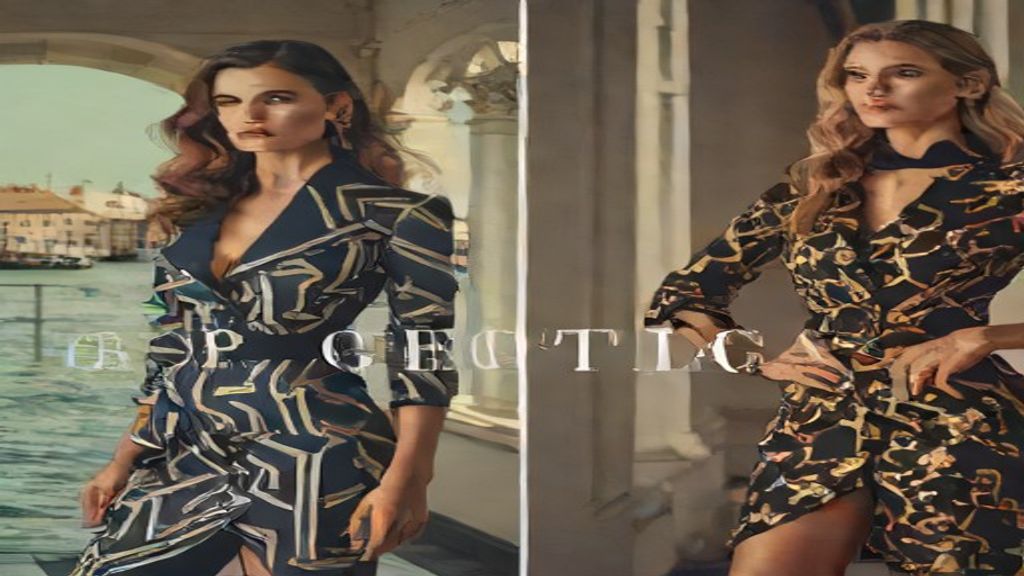
Plate · The Unraveling Silk Road: How Geopolitical Tensions Threaten Luxury Fashion's Global Tapestry
In the intricate ballet of global commerce, where every stitch of haute couture and every precious gem in a luxury timepiece relies on a meticulously choreographed supply chain, a dissonant chord has been struck. Senator Marco Rubio's stark warning regarding China's detention of Panama-flagged ships sends not merely a ripple, but a seismic tremor through the established arteries of international trade. For the discerning purveyors and patrons of high fashion, this geopolitical maneuver is far more than a distant diplomatic skirmish; it is a direct threat to the very fabric of their industry, challenging the seamless flow of premium materials, the timely delivery of designer collections, and ultimately, the unwavering promise of luxury itself.
The Geopolitical Undercurrents and Luxury's Vulnerability
The recent pronouncements from Senator Rubio underscore a growing vulnerability within the global maritime ecosystem. The detention of vessels, particularly those operating under the widely recognized Panamanian flag – a common choice for international shipping due to its flexible regulations and robust registry – by a major economic power like China, signals an alarming departure from established norms. Such actions, whether driven by political leverage, economic disputes, or perceived security concerns, inevitably inject an unprecedented level of uncertainty into an already complex global trade landscape. For the luxury fashion sector, this uncertainty is particularly corrosive.
The creation of a single garment, from the intricate embroidery of a couture gown to the precise tailoring of a ready-to-wear ensemble, often involves a transnational journey. Raw materials – be it the finest Italian silks, the rarest cashmere from Mongolia, or ethically sourced exotic leathers – traverse vast oceans, crossing multiple borders before reaching the skilled hands of European ateliers or specialized manufacturing hubs in Asia. Any impediment to this flow, however minor it may seem on a macro scale, can have cascading effects, disrupting production schedules, inflating costs, and ultimately jeopardizing the seasonal launch of highly anticipated designer collections.
“The illusion of an endlessly flowing global market is shattered when geopolitical tensions morph into tangible blockades. For luxury, this fragility is an existential threat.”
The Intricate Web: Fashion's Global Supply Chain
The supply chains that underpin the luxury fashion industry are masterpieces of precision and timing. Unlike mass-market goods, where minor delays might be absorbed, the luxury consumer expects perfection and punctuality. The entire edifice of a brand's reputation is built upon the meticulous execution of its vision, from design concept to runway presentation, and finally, to the exclusive boutique.
From Atelier to Aisle: A Delicate Dance
Consider the journey of a high-end handbag. Its leather might originate from a specialized tannery in France, its metal hardware from Italy, and its lining fabric from Japan. These components are then consolidated, perhaps in a central European hub, before being transported to a master artisan's workshop for assembly. From there, the finished product embarks on its final leg – air freight or expedited sea cargo – to reach flagship stores in Paris, New York, Tokyo, or Shanghai, often timed precisely for a collection launch or a specific seasonal window. This 'just-in-time' inventory model, while highly efficient in reducing warehousing costs and managing stock, is inherently vulnerable to external shocks. Each step is interdependent, and a disruption at any point can ripple through the entire system, delaying not just one item, but potentially an entire collection of luxury goods.
The Cost of Disruption: Beyond Delayed Deliveries
The financial implications of such detentions extend far beyond mere shipping delays. Increased dwell times at ports lead to demurrage charges, re-routing necessitates higher fuel costs, and the scramble for alternative transport options drives up freight rates. For luxury brands, whose profit margins are often predicated on exclusivity and perceived value, these escalating operational costs can erode profitability. More critically, however, is the intangible damage to brand equity. A delayed collection means missed sales opportunities during peak seasons, frustrating discerning clientele who expect immediate access to the latest trends. Moreover, the inability to deliver on promises can tarnish a brand's image, eroding the trust and loyalty meticulously cultivated over decades. In the hyper-competitive world of luxury fashion, where perception is paramount, consistent reliability is as crucial as innovative design.
The cascading impacts of such maritime disruptions on fashion brands are manifold and severe:
- Increased Shipping Costs: Expedited freight, demurrage, and re-routing inflate operational budgets.
- Production Delays: Raw materials and components are stalled, pushing back manufacturing timelines for designer collections.
- Scarcity of Premium Materials: Access to unique textiles, leathers, and embellishments becomes unpredictable, impacting product exclusivity.
- Damage to Brand Reputation: Inability to meet delivery schedules disappoints high-value consumers and tarnishes brand image.
- Pressure on Ethical Sourcing Commitments: Urgent rerouting or alternative sourcing might compromise carefully vetted ethical and sustainable fashion practices.
- Inventory Imbalances: Excess stock in one region, shortages in another, leading to markdowns or lost sales.
“In luxury, time is an essential thread in the tapestry of exclusivity. To delay is to diminish.”
Navigating the Tempest: Strategies for Resilience
In response to these escalating geopolitical risks, the fashion industry is being compelled to fundamentally re-evaluate its operational paradigms. The era of hyper-globalization, characterized by optimized single-source supply chains, appears to be yielding to a more diversified and resilient approach.
Diversification and Regionalization
Leading luxury groups are increasingly exploring strategies like 'near-shoring' and 'friend-shoring,' bringing production closer to key markets or relocating it to geopolitically stable allied nations. This involves investing in domestic manufacturing capabilities or fostering robust regional supply networks. While potentially increasing initial production costs, this approach offers greater control, reduces transit times, and mitigates exposure to distant geopolitical flashpoints. For instance, brands might consider expanding their artisan workshops in Italy or France, or establishing specialized production units in Eastern Europe, rather than solely relying on distant Asian hubs for certain components or finished goods. This strategic decentralization is not just about logistics; it’s about insulating the creative process and ensuring continuity of the fashion calendar.
Transparency and Traceability
The imperative for supply chain transparency, already amplified by consumer demand for ethical and sustainable fashion, gains new urgency in this volatile environment. Brands must possess granular visibility into every stage of their supply chain, from raw material extraction to final delivery. Technologies like blockchain are increasingly being explored to provide immutable records of provenance, ensuring that materials are indeed ethically sourced and that products adhere to stringent environmental standards, even amidst disruptions. This level of traceability not only builds consumer trust but also enables brands to quickly identify and address bottlenecks caused by geopolitical events, rerouting materials or production as needed with minimal ethical compromise.
Strategic Partnerships and Diplomacy
Beyond internal restructuring, the fashion industry must also engage in proactive external strategies. This includes forging stronger, more diversified partnerships with logistics providers, exploring multi-modal transport options (sea, air, rail), and collaborating with industry peers to share intelligence and best practices. Furthermore, industry bodies and individual luxury conglomerates must leverage their considerable economic influence to advocate for open and predictable global trade routes. Engaging in dialogue with governmental agencies and international organizations is crucial to ensure that the unique vulnerabilities of the fashion sector are understood and considered in broader geopolitical discussions.
“Resilience is the new luxury. It demands foresight, adaptability, and an unwavering commitment to the integrity of the supply chain.”
The Ethical Imperative and Brand Reputation
The shadow of geopolitical instability also casts a long pall over the ethical commitments of fashion brands. The rush to secure alternative materials or manufacturing sites in times of crisis can inadvertently lead to compromises on labor standards, environmental safeguards, or responsible sourcing policies. For a premium fashion publication, this is not merely a logistical challenge but a moral one. Consumers, particularly the younger, globally aware demographic, are increasingly scrutinizing brands not just for their aesthetic appeal but for their social and environmental footprint. Any perceived deviation from ethical practices, even under duress, can inflict irreparable damage on a brand’s carefully cultivated image and reputation. Maintaining a commitment to fair labor, sustainable production, and transparent sourcing becomes even more critical when supply lines are threatened, reinforcing the narrative of responsible luxury.
Concluding Insights
Senator Rubio's warning serves as a potent reminder that in our interconnected world, no industry, however glamorous or exclusive, is immune to the vagaries of geopolitics. For luxury fashion, the challenge is profound: to safeguard its delicate ecosystem of creativity, craftsmanship, and global distribution against an increasingly turbulent backdrop. The path forward demands more than mere adaptation; it requires a fundamental paradigm shift towards a supply chain model built on resilience, diversification, and unwavering ethical integrity. Brands that can navigate these treacherous waters with foresight, strategic agility, and a continued commitment to their values will not only survive but thrive, reinforcing their position as true arbiters of enduring luxury. The future of high fashion, it seems, will be defined not just by its aesthetic brilliance, but by its robust capacity to weather the storm and deliver its promise, unfailingly, to the world.