The Looming Pact: How Global Trade Re-Weaves the Fabric of Luxury Fashion
As White House tariff recalibrations hint at an imminent EU-US trade ratification, the luxury fashion landscape braces for a paradigm shift in sourcing, pricing, and creative frontiers.
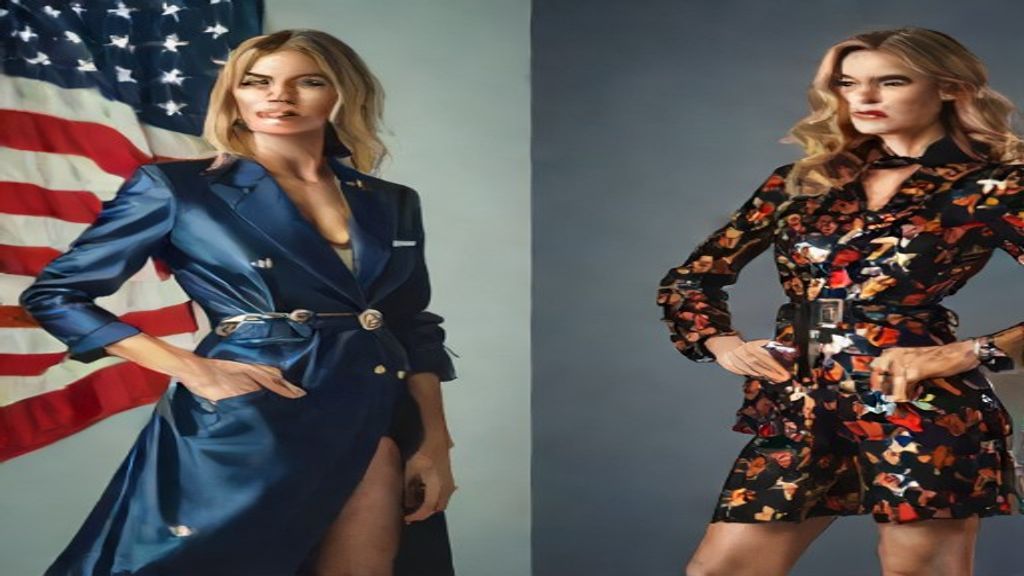
Plate · The Looming Pact: How Global Trade Re-Weaves the Fabric of Luxury Fashion
In the rarefied air of haute couture ateliers and the bustling arteries of luxury retail, the whispers of geopolitical shifts often feel distant, yet their tremors are profoundly felt. Fashion, in its most exquisite iterations, is not merely an aesthetic pursuit; it is a complex, global ecosystem, intricately linked to the ebb and flow of international commerce. Today, as the White House signals decisive tariff adjustments, portending the imminent ratification of a monumental EU-US trade deal, the industry stands on the precipice of a paradigm shift. This is not just an economic headline; it is a re-stitching of the very fabric of luxury, from the silken threads of Milanese looms to the curated racks of Fifth Avenue boutiques.
The Looming Pact: A New Blueprint for Luxury Commerce
For years, the dance between the European Union and the United States has been marked by intricate negotiations, occasional discord, and the constant shadow of protectionist measures. Tariffs, those seemingly innocuous lines on a ledger, have acted as invisible barriers, dictating the flow of goods, influencing sourcing decisions, and ultimately, impacting the consumer's wallet. The potential ratification of a comprehensive EU-US trade agreement represents a tectonic plate shift, promising a landscape of streamlined logistics, reduced bureaucratic friction, and potentially, a more fluid exchange of luxury goods and raw materials.
Re-Stitching the Supply Chain: From Atelier to Consumer
The implications for the fashion supply chain are immense. Consider the provenance of a Chanel tweed jacket, the artisanal leather of a Hermès Birkin, or the innovative textiles gracing a Balenciaga runway. These creations are born from a global tapestry of craftsmanship and material sourcing. Italian silks, French lace, Spanish leathers, and specialized components from across Europe form the very DNA of luxury fashion. A ratified trade deal, by reducing or eliminating tariffs on these critical inputs, could significantly lower production costs for both European and American brands, fostering greater flexibility in design and manufacturing.
“The loom of global trade now dictates the very weave of our collections, influencing every thread from concept to couture.”
This newfound agility could accelerate the industry’s ongoing pivot towards more sustainable sourcing and ethical production. Brands, no longer burdened by punitive import duties, might invest more readily in innovative eco-friendly materials or partner with artisanal communities that previously posed logistical or financial hurdles. The speed-to-market, a crucial competitive advantage in the fast-paced world of prêt-à-porter and capsule collections, could also see dramatic improvements, allowing designers to respond with unprecedented alacrity to emerging fashion trends and consumer desires. Furthermore, the deal could open new avenues for American textile manufacturers and emerging designers to access European markets with greater ease, fostering a true transatlantic exchange of creativity and commerce.
Tariff Tectonics: Adjustments and Their Reverberations
The White House’s latest tariff adjustments are not merely bureaucratic tweaks; they are strategic overtures, a delicate dance of diplomacy signaling a readiness to de-escalate trade tensions. Historically, tariffs have been wielded as powerful tools, and the fashion industry, often caught in the crossfire, has felt the sting. Previous duties on European luxury goods, from fine wines and spirits to specific apparel categories, have often been proxies in broader trade disputes, inadvertently inflating prices for the discerning consumer and squeezing profit margins for luxury retail giants.
The Price of Panache: Consumer Impact and Retail Strategy
A reduction or elimination of these tariffs as part of the new deal could translate into several outcomes. For consumers, it might mean a stabilization or even a slight decrease in the price of coveted European designer brands, making luxury goods more accessible without compromising their exclusivity. For retailers, particularly those specializing in premium fashion and high-end accessories, it offers a crucial opportunity to refine pricing strategy, optimize inventory, and potentially expand their offerings. The digital luxury landscape, in particular, stands to benefit, as reduced cross-border costs can enhance the viability of e-commerce and direct-to-consumer models, blurring geographical boundaries for the global fashion patron.
“Every percentage point shift on a tariff ledger redraws the map of desire for the discerning patron, dictating accessibility and aspiration.”
The competitive landscape will undoubtedly intensify. With fewer trade barriers, both established heritage brands and innovative new entrants will vie for market share, necessitating more agile brand positioning and compelling marketing campaigns. This could spur a wave of innovation in customer experience, personalized services, and groundbreaking retail concepts, all designed to capture the attention and loyalty of a globally minded clientele.
The Avant-Garde's New Frontier: Creativity Under Global Flux
Beyond the spreadsheets and supply chains, the most profound impact of this trade deal may be felt in the realm of pure creativity. Fashion, at its heart, is an art form, a constant exploration of identity, culture, and innovation. When designers are unburdened by punitive costs for sourcing unique materials or collaborating across continents, the possibilities for design innovation expand exponentially. Imagine a world where a Parisian atelier can seamlessly integrate sustainable textiles from an American startup, or where an emerging New York talent can more easily showcase their bespoke creations in European fashion capitals.
Sustainable Threads: A Mandate for the Modern Atelier
The discussion around sustainability in fashion is no longer nascent; it is a fundamental pillar of modern design philosophy. A favorable trade agreement could significantly accelerate the industry’s journey towards a more circular economy. By facilitating the movement of recycled materials, innovative bio-textiles, and advanced manufacturing technologies, the deal could empower brands to meet growing consumer demand for ethical luxury and eco-friendly materials. This isn't just about reducing a carbon footprint; it's about embedding a profound sense of responsibility into every stage of a garment's lifecycle, from its conceptualization to its eventual end-of-life.
The potential benefits and challenges for global fashion brands are multifaceted:
- Enhanced Market Access: Easier entry into lucrative EU and US markets for both goods and services.
- Reduced Operational Costs: Lower tariffs on raw materials, finished goods, and logistics.
- Diversified Sourcing Opportunities: Greater freedom to choose suppliers based on quality, ethics, and innovation, rather than solely on tariff implications.
- Accelerated Innovation: Encouragement for cross-border collaborations in design, material science, and sustainable technologies.
- Increased Competition: A more level playing field means brands must constantly innovate to maintain distinctiveness.
- Regulatory Harmonization: Potential for aligning standards, reducing complexity for international operations.
- Consumer Price Stability: Potential to mitigate price increases or even offer more competitive pricing for luxury consumer trends.
Beyond the Ledger: Fashion's Enduring Alchemy
The impending EU-US trade deal, amplified by the White House's strategic tariff adjustments, is more than a mere economic transaction. It is a profound recalibration of the forces that shape the luxury market evolution. For an industry that thrives on imagination, exclusivity, and meticulous craftsmanship, these geopolitical shifts are both a challenge and an unparalleled opportunity. They compel us to reconsider the origins of our garments, the journey of our materials, and the very definition of what constitutes premium fashion in a globally interconnected world.
The future of fashion, already dynamic and ever-evolving, is now poised for a new chapter. One where the threads of diplomacy, economics, and design are woven together with unprecedented intimacy, creating a richer, more resilient, and perhaps, even more exquisite tapestry of style. The alchemy of fashion endures, but its ingredients are now subject to a new, powerful global formula, demanding foresight, adaptability, and an unwavering commitment to both beauty and responsibility.