Bjarke Ingels' Visionary NOT A HOTEL Setouchi: A Paradigm of Sustainable Futurism in Japan's Artistic Heartland
Bjarke Ingels Group's NOT A HOTEL Setouchi redefines luxury living with sustainable design, blending fearless futurism with Japan's natural beauty. A new era for conscious travel.
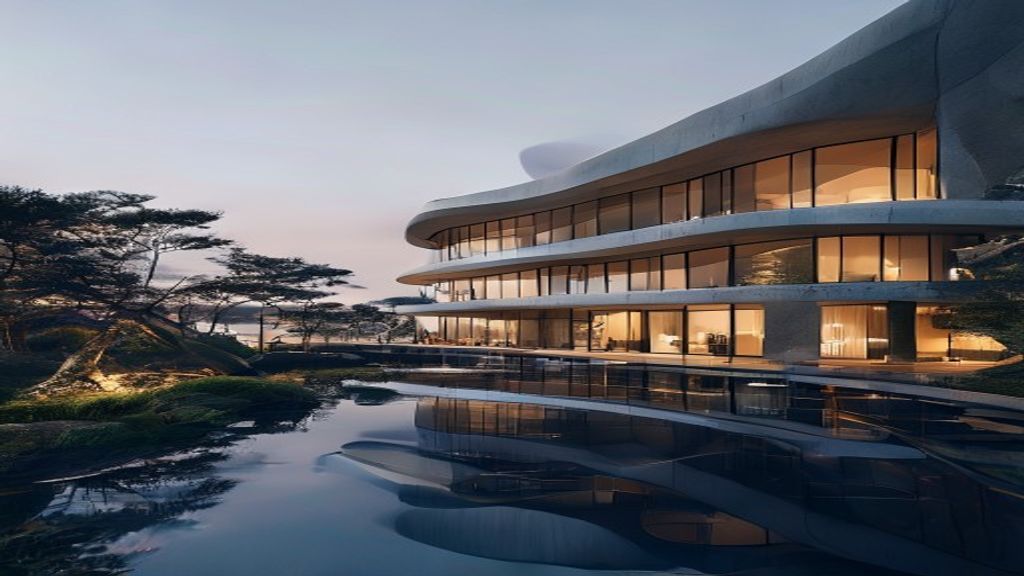
Plate · Bjarke Ingels' Visionary NOT A HOTEL Setouchi: A Paradigm of Sustainable Futurism in Japan's Artistic Heartland
In an era increasingly defined by the imperative of conscious living, the concept of luxury is undergoing a profound metamorphosis. It's no longer solely about opulence, but about provenance, impact, and enduring value. This paradigm shift, long championed within the ethical fashion movement, is now boldly manifesting in architecture, exemplified by Bjarke Ingels Group's (BIG) audacious venture in Japan: NOT A HOTEL Setouchi. This isn't merely a collection of structures; it's a meticulously crafted philosophy, an architectural equivalent of a bespoke, sustainable wardrobe, designed to resonate with the discerning individual who values both avant-garde aesthetics and a minimal ecological footprint.
Known globally for their fearless futurism and groundbreaking designs that challenge conventional boundaries, BIG, under the visionary leadership of Bjarke Ingels, has consistently pushed the envelope. Their latest endeavor, nestled within the serene, art-rich landscape of Japan's Setouchi region, is a testament to what happens when innovation is deeply rooted in responsibility. It's an architectural statement that speaks volumes about a future where design and environmental stewardship are intrinsically linked, mirroring the 'slow fashion' ethos of quality over quantity, and longevity over fleeting trends.
The Intersection of Architecture and Conscious Living
The principles guiding BIG's design for NOT A HOTEL Setouchi align remarkably with the values driving the contemporary sustainable fashion movement. Both fields are consciously moving away from the ephemeral allure of transient trends towards the enduring appeal of thoughtful creation. Here, sustainable luxury is not just a marketing term but a fundamental commitment to design that respects its origins, its journey, and its ultimate impact on the world. NOT A HOTEL Setouchi embodies this ethos by being more than just a place to stay; it's an immersive experience in mindful existence, a sanctuary built with intention.
True luxury isn't just about what you own, but how it's made and its enduring impact on the world.
BIG's approach seeks to minimize environmental footprint while maximizing experiential value, a quest that parallels the fashion industry's pivot towards eco-friendly materials, responsible sourcing, and a deeper understanding of supply chains. Just as a discerning consumer seeks transparency in their high fashion choices, the conscious traveler demands integrity in their environments. This project is a vivid illustration of how architectural innovation can serve as a powerful vehicle for promoting a more harmonious relationship between humanity and nature, setting a new benchmark for what conscious living can truly entail.
A Dialogue with Nature: Setouchi's Serene Canvas
The Setouchi region, with its tranquil inland sea, verdant islands, and a burgeoning reputation as an art destination, provides a breathtakingly sensitive canvas for BIG's vision. The design for NOT A HOTEL Setouchi doesn't merely occupy this landscape; it engages in a profound dialogue with it. The structures appear to emerge organically from the terrain, their forms echoing the natural contours, rather than imposing an alien presence. This deeply respectful integration is achieved through the thoughtful application of local materials and a reverence for artisanal craftsmanship, much like how heritage brands in fashion honor traditional techniques and regional resources.
The architecture becomes a sophisticated garment for the land, meticulously tailored to protect and enhance its inherent beauty. This mirrors the meticulous attention to detail found in a piece of bespoke tailoring or a finely crafted item of prêt-à-porter, where every element is chosen to complement and elevate. The concept of 'terroir' extends beyond wine to architecture here; the buildings are rooted in their specific place, utilizing native stone, locally sourced timber, and traditional construction methods where appropriate, seamlessly blended with cutting-edge modern innovation. This creates a sense of belonging, a testament to design that is both globally visionary and locally resonant.
Fearless Futurism Meets Enduring Elegance
The 'fearless futurism' of Bjarke Ingels is not about embracing fleeting trends; it’s about anticipating future needs and challenges with groundbreaking, yet timeless, solutions. The very concept of 'NOT A HOTEL' is revolutionary. It offers a flexible ownership model that promotes shared resources and experiences, challenging traditional notions of property and consumption. This innovative model resonates with the capsule wardrobe philosophy in fashion, where each piece is versatile, maximizes utility, and contributes to a cohesive, sustainable lifestyle. It fosters a more collective, less extractive approach to luxury, aligning with the principles of a circular economy.
Innovation, when rooted in responsibility, becomes the ultimate statement of enduring style.
The structures themselves are designed for exceptional longevity and adaptability, mirroring the enduring appeal of a timeless fashion piece that can be styled and re-styled across decades. These are architectural investment pieces, built to withstand the test of time both structurally and aesthetically. Advanced technology is seamlessly integrated for operational efficiency, yet it is always harmonized with natural aesthetics, ensuring the spaces feel organic and inviting. This blend of high-tech and high-touch represents a sophisticated evolution of luxury, where convenience and sustainability are not mutually exclusive but deeply intertwined, defining a new standard for conscious design.
Crafting Tomorrow: Materials and Modularity
The commitment to sustainability at NOT A HOTEL Setouchi is evident in every material choice and construction method. From the use of recycled content in finishes to low-VOC paints and locally sourced, renewable timber, every decision is made with environmental impact in mind. The buildings feature energy-efficient glazing and insulation, minimizing heating and cooling demands. The modular design principle, a hallmark of BIG's innovative approach, significantly reduces construction waste and allows for greater flexibility in configuration and future adaptation. This thoughtful approach parallels advancements in textile innovation, where durability, repairability, and biodegradability are paramount.
Furthermore, the project's commitment extends to reducing its overall carbon footprint through comprehensive strategies, including the potential for solar power generation and advanced rainwater harvesting systems. These measures ensure that the environmental impact is minimized not only during construction but throughout the entire lifecycle of the properties. This dedication to ecological stewardship underscores the core tenets of ethical fashion, where every component, from fibre to finished garment, is scrutinized for its environmental and social implications, ensuring a truly responsible product.
The Wardrobe of the Future: Investing in Timeless Design
The parallels between Bjarke Ingels' architectural philosophy for NOT A HOTEL Setouchi and the principles of sustainable fashion are strikingly clear. Both advocate for a shift from disposable consumption to thoughtful investment, from fleeting trends to enduring design:
- Longevity over transient trends: Like a classic trench coat or a meticulously tailored suit, NOT A HOTEL Setouchi is built to last, transcending ephemeral architectural fads to offer timeless appeal.
- Ethical sourcing and transparency: A profound commitment to understanding where materials originate and their ecological and social impact, mirroring the growing demand for transparency in fashion supply chains.
- Investment in quality and craftsmanship: Prioritizing superior construction, innovative engineering, and thoughtful design, akin to choosing a meticulously crafted handbag or a pair of Goodyear-welted shoes over fast-fashion alternatives.
- Design that respects environment and culture: Creating structures that honor their context and minimize disruption, much like fashion that celebrates cultural heritage without appropriation and actively works to protect the planet.
- Conscious consumption and mindful living: Encouraging a deeper, more responsible relationship with our spaces and possessions, fostering a sense of stewardship rather than mere ownership.
Just as a well-designed garment transcends seasons, a thoughtfully built space endures generations, becoming a testament to enduring style and mindful living.
Curated Experiences: Beyond the Structure
NOT A HOTEL Setouchi offers more than just exceptional architecture; it provides a gateway to a curated lifestyle. It’s an invitation to immerse oneself in the beauty of the Setouchi environment, to engage with local culture, and to connect with a community that shares a similar appreciation for mindful living. This experiential dimension reflects the evolving landscape of luxury in fashion, where brand stories, authentic experiences, and community engagement are becoming as vital as the product itself. It’s about fostering a deeper sense of presence and appreciating the profound beauty found in thoughtfully designed surroundings, encouraging a truly mindful living approach.
Concluding Insights
Bjarke Ingels' NOT A HOTEL Setouchi is far more than an architectural marvel; it is a profound blueprint for the future of conscious luxury. It challenges us to fundamentally reconsider how we build, how we consume, and how we interact with our environment. In its fearless embrace of futurism tempered by profound respect for nature and human experience, it stands as a powerful reminder that true innovation and enduring style are synonymous with responsibility and respect. This project is a beacon for a more sustainable, beautiful, and thoughtful world, offering invaluable lessons for every industry, especially for the future of fashion as it navigates its own path towards greater sustainability and ethical integrity.