Yohji Yamamoto Men’s Fall 2026: Let It All Out
Yohji Yamamoto's Fall 2026 collection masterfully blends raw emotion, deconstructed masculinity, and a profound commitment to sustainable artistry.
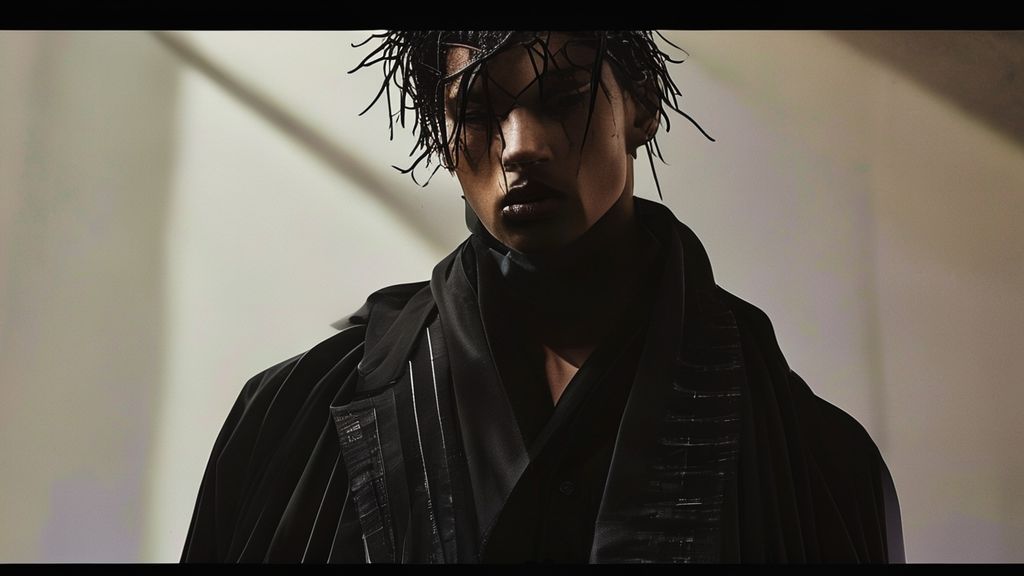
Plate · Yohji Yamamoto Men’s Fall 2026: Let It All Out
The fashion calendar often feels like a relentless pursuit of the new, a dizzying cycle of trends that encourages disposability. Yet, amidst this maelstrom, certain designers stand as unwavering beacons, their vision transcending fleeting fads to offer something far more profound. Yohji Yamamoto is one such titan, a master whose work consistently challenges the very foundations of modern dress and, by extension, modern life. For Men's Fall 2026, Yamamoto presented a collection titled "Let It All Out," a defiant and deeply moving exploration of masculinity, vulnerability, and the enduring power of clothing as a vessel for authentic emotion. This was not merely a seasonal offering; it was a philosophical statement, a masterclass in conscious luxury that resonated with the urgent call for sustainable fashion practices.
The Poetics of Deconstruction: A Sustainable Ethos
Yamamoto's signature aesthetic – a symphony in black, an interplay of volume and void, asymmetry and drape – has long been an antithesis to the dictates of mainstream fashion. His garments are built to last, both physically and philosophically. They resist categorization, existing outside the ephemeral whims of seasonal trends. This inherent timelessness is, in itself, a powerful act of sustainability, advocating for investment pieces over disposable consumption. The Fall 2026 collection amplified this ethos, pushing the boundaries of deconstruction to explore the raw edges of human experience.
"Let It All Out" manifested in fabrics that appeared to have weathered storms, in seams deliberately exposed, and in layers that revealed rather than concealed. It was a sartorial metaphor for emotional release, for shedding societal expectations and embracing the authentic self. Imagine robust wools, some brushed to an almost ethereal softness, others left rugged and unrefined, telling tales of wear and natural aging. These weren't mere stylistic choices; they were deliberate declarations against the polished, often superficial, veneer of contemporary menswear.
"True luxury lies not in pristine perfection, but in the enduring character and story a garment acquires through life and wear. Yohji Yamamoto understands this profoundly."
Yamamoto's approach to fabric is a testament to slow fashion principles. He often works with trusted mills, developing bespoke materials that offer unique textures and unparalleled drape. This commitment to quality raw materials and meticulous craftsmanship ensures that each piece isn't just a garment, but an heirloom, a future vintage find that will defy the landfill for decades. The subtle distress, the artful fraying, the unexpected cuts – these elements are not flaws but features, inviting the wearer to embrace imperfection and the journey of a garment.
Fabric as Narrative: Crafting Conscious Comfort
The tactile experience of the Fall 2026 collection was as integral to its narrative as its visual impact. Yamamoto's choice of textiles spoke volumes about comfort, resilience, and a deep respect for natural fibres. Heavy gabardines, often re-engineered with subtle stretch for ease of movement, were contrasted with delicate, almost sheer silks that floated beneath substantial outerwear. Cashmere blends offered a luxurious hand, while robust cotton twills provided a grounded, utilitarian counterpoint.
Each fabric was a character in the story of "Let It All Out." The rigid structure of a deconstructed blazer, crafted from a dense, responsibly sourced wool, might give way to the fluid expanse of a silk-lined coat, suggesting a breaking down of internal barriers. The deliberate use of varying weights and textures created a dynamic interplay, inviting a deeper engagement than mere surface appreciation. This thoughtful selection and manipulation of textiles underscore a commitment to artisanal craft and a rejection of mass-produced uniformity. It is a conscious choice that prioritizes enduring quality and sensory richness over fleeting trends, aligning perfectly with the tenets of ethical fashion.
Silhouettes of Emancipation: Redefining Masculinity
Yohji Yamamoto has always been a subversive force in menswear, challenging conventional notions of power and form. For Fall 2026, the silhouettes were a masterclass in emancipation, offering a fluidity and freedom that felt both revolutionary and deeply comforting. The traditional confines of the suit were dismantled, reimagined as a series of expansive, often asymmetrical, layers that moved with the body rather than restricting it.
This deconstructed tailoring spoke to a liberation from rigid expectations of masculinity. Oversized coats, with their dramatic sweeps and generous volumes, enveloped the wearer in a protective yet unburdened embrace. Trousers were wide-leg and flowing, often pooling at the ankle, granting an ease of movement rarely seen in formal menswear. This wasn't about sloppiness; it was about deliberate comfort, a conscious choice to prioritize personal expression over outdated sartorial rules.
The collection presented a compelling vision of the modern man: strong, yet vulnerable; thoughtful, yet unconstrained. The layering was key, allowing for an adaptable wardrobe that could be styled in myriad ways, extending the life and versatility of each piece – another subtle nod to responsible consumption.
- Dramatic, floor-sweeping overcoats: Crafted from robust wools, often with raw edges and unexpected pockets, they offered both grandeur and a sense of protective anonymity.
- Wide-leg, fluid trousers: These were a consistent motif, ranging from tailored versions in dark gabardine to more relaxed styles in textured cottons, all emphasizing comfort and movement.
- Asymmetrical tunics and elongated shirts: Worn beneath blazers or as standalone pieces, they introduced a visual dynamism and a deliberate break from conventional shirting.
- Deconstructed blazers and jackets: Often featuring exposed linings, unfinished hems, or unconventional lapel treatments, they challenged the very structure of formalwear.
- Layered shirting and knitwear: Complex combinations of fine-gauge knits, crisp shirting, and soft jersey created depth and texture, allowing for personal styling and temperature regulation – practical sustainability.
"To truly 'let it all out' requires a garment that allows for authentic expression, one that doesn't dictate but rather accompanies the wearer's emotional journey."
This collection, with its focus on generous proportions and adaptable forms, underscored Yamamoto's enduring belief that clothing should serve the individual, not the other way around. It's a powerful statement against fast fashion's emphasis on fleeting trends and ill-fitting garments, advocating for a wardrobe built on intention and personal resonance.
The Art of Imperfection: A Philosophy of Wear
One of the most profound aspects of Yohji Yamamoto's design philosophy, and particularly evident in "Let It All Out," is his embrace of imperfection. Garments were not flawlessly pristine; they were imbued with a sense of history, of having lived. Deliberate fraying at cuffs, subtle distressing on hemlines, the occasional visible stitch – these details were not errors but conscious design choices that celebrated the beauty of wear and the passage of time.
This aesthetic, deeply rooted in the Japanese concept of Wabi-Sabi, finds profound resonance with sustainable fashion principles. It challenges the throwaway culture that demands newness and perfection, instead inviting us to value the character that develops in a garment over time. A jacket that shows signs of wear, a coat with a beautifully faded hue, becomes more precious, not less. It tells a story, a narrative of the wearer's life.
This philosophy encourages a deeper, more emotional connection with our clothing. When we see a garment as something that ages gracefully, something that can be repaired and cherished, we are less likely to discard it. It fosters a mindset of longevity and responsible consumption, moving away from the relentless pursuit of the "new" and towards an appreciation for the "enduring." "Let It All Out" implied not just emotional vulnerability, but also the letting out of the garment's own story, its journey from creation to wear.
Beyond the Runway: A Call for Deliberate Consumption
Yohji Yamamoto's Fall 2026 collection was more than just a presentation of clothes; it was a profound cultural commentary, a call to introspection for both the industry and the consumer. In an era saturated with fast fashion and fleeting micro-trends, Yamamoto's unwavering commitment to his singular vision offers a powerful alternative: a world where garments are crafted with intention, worn with purpose, and cherished for their enduring quality.
His collections are not designed to be replaced next season. They are investments – in style, in craftsmanship, and in a philosophy that champions individuality and authenticity. This approach naturally aligns with the core tenets of sustainable fashion, advocating for mindful purchasing decisions and a shift away from the disposable mentality. By offering pieces that defy trends and possess an inherent timelessness, Yamamoto empowers consumers to build a wardrobe that is both deeply personal and environmentally responsible. It is a slow fashion paradigm in its purest form.
Concluding Insights
"Yohji Yamamoto Men’s Fall 2026: Let It All Out" was a masterful articulation of emotional depth intertwined with a quiet, yet powerful, statement on conscious luxury. It reminded us that fashion, at its highest form, is not merely about covering the body but about expressing the soul. Through deconstructed forms, rich textures, and a philosophy that embraces imperfection, Yamamoto invited us to shed our sartorial inhibitions and embrace a more authentic, vulnerable self.
This collection served as a vital reminder that true sustainability in fashion extends beyond material sourcing; it encompasses design philosophy, garment longevity, and the emotional connection we forge with our clothes. Yamamoto’s enduring legacy is built on challenging norms, and this collection was no exception. It was a poignant assertion that by letting it all out – our emotions, our true selves, and our commitment to thoughtful consumption – we can forge a more meaningful and sustainable future for fashion. It was a triumph of art, emotion, and enduring style.