Digital Dreams, Analog Thrills: How Porsche's Apple Livery Defined a New Era of Motorsport Style
At Laguna Seca, Porsche's Apple Computer-emblazoned 935 wasn't just a race car; it was a cultural icon, fusing tech innovation with high-octane track performance and influencing future streetwear aesthetics.
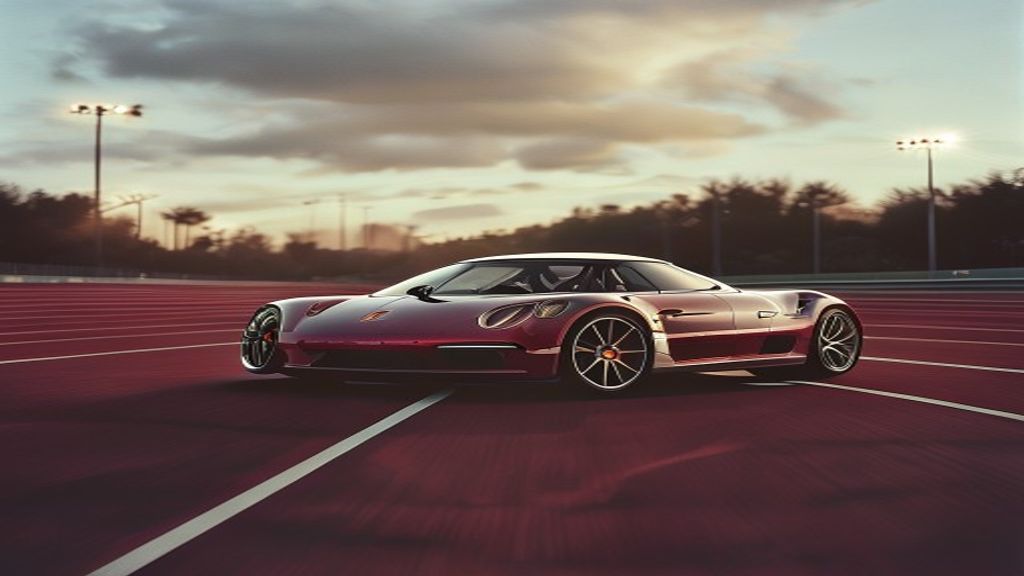
Plate · Digital Dreams, Analog Thrills: How Porsche's Apple Livery Defined a New Era of Motorsport Style
In the hallowed annals of motorsport, certain moments transcend mere competition, etching themselves into the collective consciousness as pivotal cultural touchstones. For a premium fashion publication like ours, we look beyond lap times and horsepower, seeking the indelible marks left by design, identity, and the unexpected collisions of disparate worlds. Such was the case in 1979 at Laguna Seca, when the roar of a Porsche 935 met the nascent digital hum of Apple Computer. This wasn't merely a sponsorship; it was a bold, almost prescient brand collaboration that unveiled a new paradigm: where tech innovation converged with high-octane track performance, laying foundational groundwork for future streetwear aesthetics and luxury sportswear trends. It was a moment when design innovation met raw power, crafting a heritage design that continues to resonate with unparalleled force in both automotive and fashion circles.
The Genesis of an Icon: Apple's Motorsport Debut
A Canvas of Innovation: The 935's Aesthetic Revolution
The year was 1979. Motorsport was a visceral ballet of speed and engineering, largely dominated by traditional automotive or industrial sponsors. Then, a peculiar sight emerged on the legendary corkscrew of Laguna Seca: a Porsche 935, not adorned with the usual oil or tire company logos, but rather the nascent, rainbow-striped emblem of Apple Computer. This wasn't just a corporate logo; it was a statement, a bold declaration of a new era, a harbinger of the digital age’s undeniable influence on every facet of modern life. The car itself, the Porsche 935, was already a beast of beauty, a performance machine sculpted for speed, its iconic silhouette instantly recognizable for its aggressive aerodynamics and formidable presence. But with the Apple livery, it transformed into something more: a piece of rolling art.
This unexpected partnership, brokered by Dick Barbour Racing, was more than a marketing ploy; it was a cultural crossover event. Apple, then a burgeoning tech giant with a vision for personal computing, saw an opportunity to align its brand with cutting-edge performance and a distinctly forward-thinking spirit. The clean, crisp white base of the 935, punctuated by the vibrant, almost playful rainbow logo, created a stark yet harmonious contrast. It was minimalist design meets maximum impact, a visual language that felt utterly fresh and retro-futuristic all at once. This wasn't just a car; it was a rolling billboard for the future, a testament to the power of brand collaboration and the unexpected places where design legacy is forged. It hinted powerfully at a world where tech-inspired apparel and digital age style would not only become mainstream but would actively define an era, influencing everything from graphic tees to elevated style collections. The graphic simplicity of the Apple emblem, a stark contrast to the often complex sponsor mosaics of the time, spoke volumes about a new kind of aesthetic appeal.
Beyond the Pits: Cultural Resonance and Streetwear's Embrace
The Livery as a Design Language
The Apple Porsche 935 transcended the confines of the racetrack almost immediately. Its visual audacity and the sheer novelty of a computer company sponsoring a race car caught the public imagination with an unexpected ferocity. It became a talking point, a symbol of innovation, and, crucially for our narrative, an enduring design blueprint. The simplicity of the white canvas, the vibrant pop of the rainbow, and the clean, approachable typography created an aesthetic that was ripe for appropriation and reinterpretation across various cultural touchpoints.
This livery, in many ways, was a precursor to modern streetwear culture. It demonstrated how a powerful visual identity, rooted in a specific context (racing, tech), could become universally appealing and culturally resonant. Think about the enduring power of graphic tees featuring vintage motorsport motifs, or the frenzied anticipation surrounding limited edition drops from luxury sportswear brands that draw explicit inspiration from historical racing liveries. The Apple Porsche was an early masterclass in this kind of visual storytelling, proving that the narrative extends far beyond mere performance metrics. It wasn't just about speed; it was about the swagger, the statement, the aesthetic appeal that resonates far beyond the finish line, influencing everything from sneaker culture to capsule collections.
"The Apple Porsche wasn't just sponsored; it was branded. It wasn't just a car; it was a canvas, telling a story of disruption and daring that still echoes in today's most coveted streetwear drops and high-fashion collections."
The impact reverberated into several key areas, establishing a new visual vocabulary:
- Graphic & Apparel Design: The clean lines, bold color blocking, and iconic logo became a foundational template for tech-inspired apparel, influencing everything from minimalist t-shirts to sophisticated outerwear and unisex fashion statements.
- Brand Collaborations: It set a powerful precedent for unexpected yet immensely impactful partnerships between disparate industries, a cornerstone of contemporary fashion-forward marketing and exclusive release strategies.
- Retro Futurism: The livery perfectly encapsulated a blend of classic racing pedigree with a vibrant, optimistic glimpse into a digital future, a theme consistently explored and celebrated in urban chic and elevated style movements.
- Collectible Culture: The car's image became highly sought after, fueling a burgeoning market for exclusive release items, scale models, and heritage design memorabilia, underscoring its enduring cultural impact.
This pioneering approach to visual branding showcased how a race car could become a legitimate style icon, demonstrating the potent synergy between performance aesthetics and mainstream appeal.
The Intersection: Where Performance Meets Panache
Crafting the Narrative: From Track to Runway
The enduring allure of the Apple Porsche 935 lies precisely in its ability to bridge seemingly disparate worlds with effortless panache. Motorsport, historically a realm of raw power, precision engineering, and adrenaline-fueled prowess, found itself infused with the clean, aspirational vision of nascent technology. This fusion created a unique and compelling narrative, one that speaks directly to the modern fashion sensibility where athleisure reigns supreme, and the lines between luxury sportswear and high fashion are increasingly blurred. It articulated a vision where function and form were not just complementary but intrinsically linked.
Consider the evolution of contemporary menswear and womenswear. Designers are constantly seeking inspiration from non-traditional sources – industrial design, architecture, and yes, even motorsport. The Apple livery offered a vivid, dynamic example of how functional design (a race car's paint scheme, optimized for visibility and branding) could be elevated to an art form, a sartorial statement in its own right. It wasn't just about speed; it was about presenting an image, a cohesive brand identity that was both sophisticated and rebellious, a true mark of elevated style.
This pivotal moment at Laguna Seca prefigured the current obsession with brand storytelling and the fervent desire for authenticity in design. It showed that a compelling visual identity could be as powerful and as memorable as the product or performance it represented. The meticulous artisan craftsmanship inherent in every Porsche, combined with Apple's visionary and accessible branding, created a synergy that few could have predicted. It speaks to a deeper truth about fashion: that true style often emerges from unexpected juxtapositions, from moments where different cultures collide and create something entirely new and utterly captivating.
"The Apple Porsche wasn't just fast; it was fashion-forward. It understood, before many did, that the track could be a runway, and a logo, when wielded with vision, could be the ultimate statement piece in a world craving new aesthetics."
The concept of utilizing premium materials in racing (carbon fiber, lightweight alloys, advanced composites) finds its direct parallel in fashion's relentless pursuit of quality fabrics, innovative textiles, and ethical production. The constant drive for aerodynamic efficiency in a race car, where every curve and line serves a purpose, mirrors the sleek, functional, and often unisex fashion designs that prioritize both form and practical utility. The Apple livery demonstrated how a bold, simple graphic could become an enduring symbol, much like the iconic logos that define today's most influential fashion brands and capsule collections. It was an early, resounding lesson in how to craft an elevated style narrative that transcends its immediate context, transforming a utilitarian object into a cultural artifact.
Concluding Insights: The Enduring Legacy of a Digital Dream
The Porsche 935 in its Apple Computer livery at Laguna Seca was far more than a fleeting moment in motorsport history; it was a watershed event that continues to ripple through our cultural landscape with profound effect. It was a testament to the power of radical design innovation, a bold experiment in brand collaboration, and a prophetic vision of a world where technology and lifestyle would become inextricably linked, shaping our aesthetics and aspirations.
For the fashion world, this car remains a potent and inexhaustible source of inspiration. It embodies a retro-futuristic aesthetic that consistently reappears on runway trends and in exclusive releases, proving that truly visionary design is timeless. It champions the idea that heritage design can be endlessly reinterpreted, adapted, and celebrated, demonstrating that true style is not ephemeral but enduring. From the sustainable fashion movement's emphasis on thoughtful, impactful design to the meticulous detail of bespoke tailoring, the underlying principles of craftsmanship, vision, and cultural impact resonate powerfully with the legacy of the Apple Porsche.
The Apple Porsche 935 taught us that innovation isn't confined to circuit boards or racetracks; it's a mindset that manifests in every detail, from a car's aerodynamic lines to a brand's visual identity. It proved that a simple logo, when placed with intention and visionary foresight, could become a powerful emblem of progress, style, and an enduring dream of what's next. It was, and remains, a masterclass in how to seamlessly merge the fast lane with the fashion lane, creating an iconic silhouette that races on, not just in our collective memory, but in our stylistic aspirations and the very fabric of contemporary menswear and womenswear. It stands as a vibrant testament to the enduring power of a truly fashion-forward statement.