The Silent Sentinel: Walter Van Beirendonck FW26 and the Modern Scarecrow's Avant-Garde Rebirth
Walter Van Beirendonck's FW26 collection transmutes the humble scarecrow into a potent symbol of modern alienation, protection, and defiant individuality in a digitally saturated world.
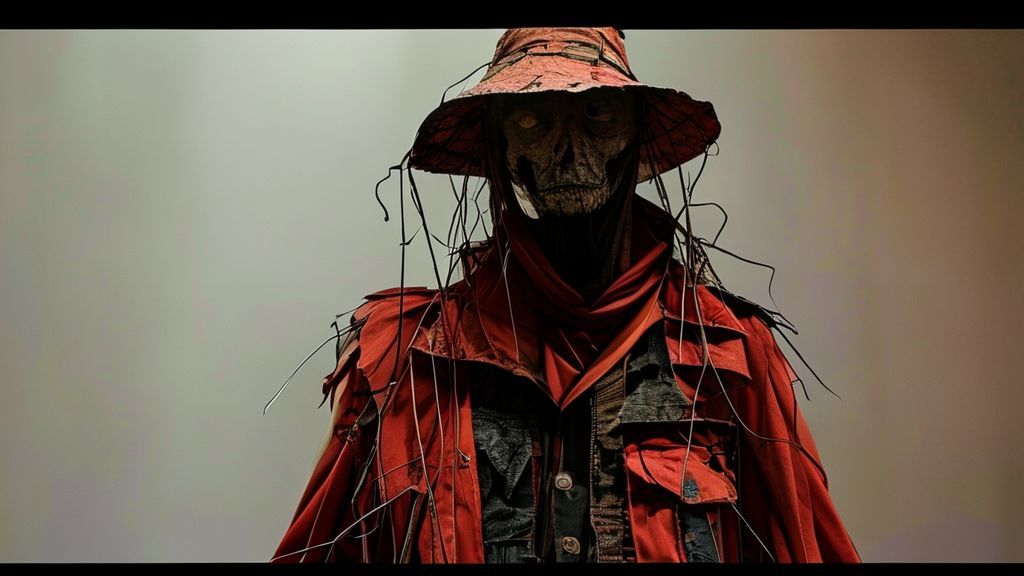
Plate · The Silent Sentinel: Walter Van Beirendonck FW26 and the Modern Scarecrow's Avant-Garde Rebirth
In the rarefied air of avant-garde fashion, where sartorial innovation is not merely a goal but a foundational creed, Walter Van Beirendonck stands as an undisputed titan. His work, a relentless interrogation of the human condition through the prism of exaggerated form and vibrant hue, consistently transcends mere clothing to become a profound cultural critique. For Fall/Winter 2026, Van Beirendonck once again orchestrated a spectacle of the senses, unveiling a collection that was both disquieting and deeply resonant: The Modern Scarecrow. This wasn't a literal homage to the field guardian but a deeply symbolic exploration of protection, surveillance, alienation, and the desperate yearning for authenticity in an increasingly synthetic landscape.
The Scarecrow's Semiotic Resonance: Guardians of a Fractured Reality
Van Beirendonck's genius lies in his ability to seize an everyday archetype and imbue it with layers of contemporary meaning. The scarecrow, traditionally a silent sentinel against avian intruders, becomes, in his hands, a powerful emblem for the modern individual navigating a world rife with unseen threats and digital echoes. FW26 proposes a new kind of armor, not against birds, but against the relentless cacophony of information, the erosion of privacy, and the creeping dread of environmental decay.
Deconstructing the Archetype: Beyond Burlap and Straw
The collection dissected the very essence of the scarecrow – its patchwork construction, its static posture, its implied purpose – and reassembled it into a series of sculptural forms that were both menacing and vulnerable. Imagine exaggerated shoulders that jutted out like defensive barricades, arms elongated into almost non-human proportions, and torsos constructed from a mélange of unexpected textiles. This wasn't deconstructed tailoring in the conventional sense; it was a subversive aesthetic that suggested a being pieced together from the remnants of a fragmented society, yet capable of extraordinary resilience.
The silhouettes were often voluminous, creating an imposing presence that simultaneously evoked a sense of a solitary figure standing against the elements. Van Beirendonck masterfully played with scale, transforming the human body into something monumental, yet strangely delicate underneath its formidable exterior. Each garment felt like a statement, a narrative clothing piece that whispered tales of vigilance and quiet defiance.
A Palette of Discomfort and Hope: Chromatic Contradictions
True to Van Beirendonck's signature, the color palette for FW26 was a vibrant, often clashing, symphony of hues. Electric purples clashed with moss greens, fiery oranges met stark blacks, and unexpected bursts of neon yellow punctuated earthy tones. This chromatic tension was not arbitrary; it mirrored the internal conflict of the modern scarecrow – a figure meant to deter, yet often ignored; a protector built from disparate parts, embodying both the ugliness of discarded materials and the vibrant potential of repurposed life.
"Van Beirendonck doesn't just design clothes; he fabricates new mythologies for the contemporary human condition."
The collection’s textile artistry was exceptional, combining rough, organic textures reminiscent of burlap and raw cotton with sleek, futuristic synthetics and even reflective materials. This juxtaposition spoke volumes about the precarious balance between nature and technology, a central theme woven throughout the collection. There were moments of sheer textile experimentation, where traditional fabrics seemed to melt and reform into alien landscapes on the body, further solidifying the collection's dystopian chic.
Silhouettes of Subversion and Sanctuary: The Wearable Almanac
The FW26 collection was a masterclass in silhouette manipulation, offering a range of looks that simultaneously concealed and revealed, protected and provoked. Each piece was a testament to craftsmanship and artisanal techniques, pushing the boundaries of what wearable art could truly be.
Architectural Forms and Exaggerated Proportions: The New Armor
The defining feature of the collection was undoubtedly its exaggerated proportions. Shoulders were dramatically broadened, creating a powerful, almost inhuman, frame. Sleeves extended beyond the fingertips, offering a sense of withdrawal or an extra layer of defense. Trousers were often wide-legged and voluminous, grounding the top-heavy silhouettes with a deliberate, almost architectural weight. This approach to form created a sense of gender fluidity, as the garments transcended traditional gendered lines, focusing instead on the sculptural quality of the wearer.
Key design elements included:
- Layered Textiles: Complex layering created depth and texture, suggesting accumulated experience and protection.
- Graphic Prints: Bold, often abstract or symbolic prints adorned garments, acting as visual codes or warnings.
- Subversive Accessories: Outsized headwear, elaborate masks, and unconventional footwear further amplified the scarecrow motif, obscuring identity while simultaneously defining it.
- Deconstructed Details: Exposed seams, raw edges, and patchwork elements deliberately highlighted the 'pieced-together' nature of the modern scarecrow.
Textural Dialogues: From Burlap to Bioplastic
The material story was as compelling as the forms. Van Beirendonck explored a vast spectrum, from coarse, natural fibers that evoked the scarecrow's humble origins to highly engineered, almost alien fabrics. There were instances of what appeared to be recycled or upcycled materials, subtly nodding to sustainable fashion and ethical fashion principles without ever sacrificing his signature maximalist aesthetic. This deliberate contrast created a tactile narrative, speaking to the tension between the organic and the synthetic, the past and the future fashion.
"The FW26 scarecrow is not merely a guardian of crops, but a sentinel of the soul, observing the digital deluge with stoic defiance."
The Face as a Canvas: Masks and Embellishments
Van Beirendonck’s collections often feature elaborate headpieces and masks, and FW26 was no exception. These were not merely decorative; they were integral to the scarecrow's identity, or lack thereof. Some masks were playful and cartoonish, others unsettlingly abstract, creating a sense of anonymity or a hyper-stylized persona. They served as both a shield and a statement, emphasizing the collection's exploration of identity politics and the human desire for both concealment and expression.
Narrative Threads: Surveillance, Sustainability, Self
Beyond the surface-level aesthetics, The Modern Scarecrow delved into profound socio-cultural commentaries, a hallmark of Van Beirendonck's conceptual design.
The Panopticon of Modernity: Watched and Watching
The scarecrow, by its very nature, is a static observer. In FW26, this translated into a commentary on surveillance culture. The garments, with their imposing forms and sometimes obscured faces, suggested figures that were both under constant watch and perpetually watching. It was a sartorial exploration of the digital alienation that often accompanies hyper-connectivity, where privacy is a luxury and anonymity a form of protest.
Echoes of an Ailing Earth: Nature's Last Stand
The presence of the scarecrow in a field inherently links it to agriculture and nature. Van Beirendonck subtly wove in themes of environmental awareness, with textures and colors that evoked natural decay and regeneration. The collection felt like a poignant warning, a sartorial protest against ecological neglect, urging us to consider our relationship with the planet that sustains us.
Reclaiming the Self in a Fragmented World
Despite the often unsettling imagery, there was an underlying current of empowerment. The modern scarecrow, though isolated, stood resolute. This collection was an ode to fierce individuality, to the courage of standing apart, of embracing one's unique, perhaps even awkward, construction. It championed the idea that true strength lies not in conformity, but in the audacious celebration of self, even when that self feels patched together and exposed.
"In Van Beirendonck's universe, vulnerability is armored with audacity, and the grotesque becomes a canvas for profound beauty."
Concluding Insights: The Enduring Power of Van Beirendonck's Vision
Walter Van Beirendonck's FW26 collection, The Modern Scarecrow, was more than a runway spectacle; it was a mirror reflecting the anxieties and aspirations of our age. It reaffirmed his position not just as a designer, but as a visionary artist and philosopher of cloth. His ability to transform a humble, almost archaic, figure into a powerful symbol of contemporary struggles speaks volumes about his profound understanding of the human condition.
This collection will undoubtedly be remembered for its bold forms, its challenging narratives, and its unwavering commitment to pushing the boundaries of luxury fashion. It urges us to look beyond the superficial, to question what truly protects us, and to find beauty and strength in our own unique, sometimes fragmented, identities. The modern scarecrow, as envisioned by Van Beirendonck, is a permanent fixture in our collective consciousness – a silent, vibrant testament to the enduring power of expressive design and the profound impact of Belgian fashion on the global stage.