Walter Van Beirendonck FW26: The Scarecrow's Avant-Garde Metamorphosis
Walter Van Beirendonck's FW26 collection defies convention, transforming the humble scarecrow into a powerful emblem of modern disquiet and sartorial rebellion.
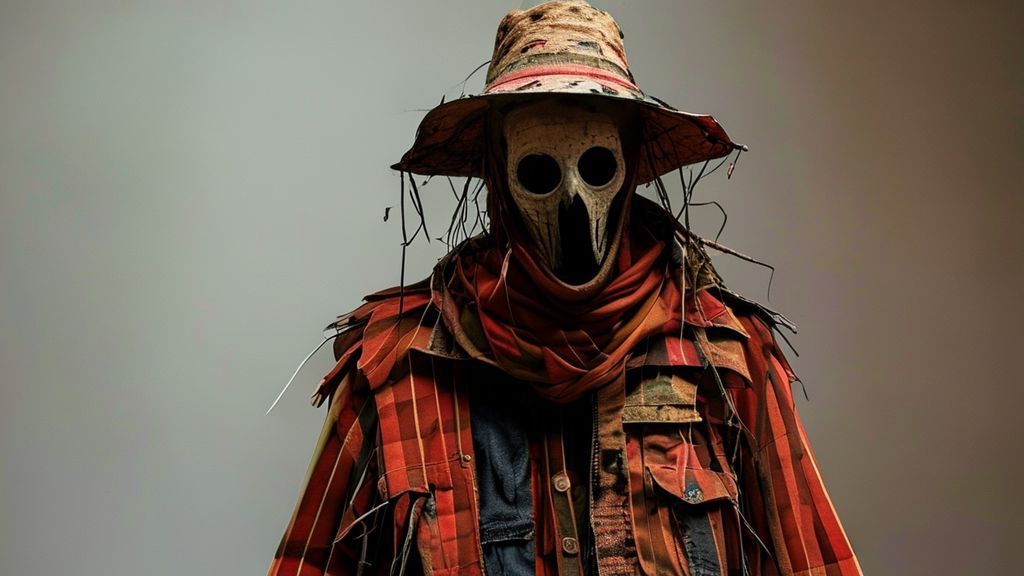
Plate · Walter Van Beirendonck FW26: The Scarecrow's Avant-Garde Metamorphosis
Walter Van Beirendonck, the undisputed maestro of fashion's outer limits, consistently challenges the very fabric of sartorial expectation. His Fall/Winter 2026 collection, an audacious exposé titled "The Modern Scarecrow," is no exception. Unveiled amidst a palpable hum of anticipation, this latest opus from the Antwerp Six luminary transcended mere clothing, presenting a profound meditation on vulnerability, protection, and the silent sentinels of our times. It wasn't just a collection; it was a socio-cultural commentary, a visual symphony orchestrating a dialogue between the archaic and the avant-garde. Van Beirendonck, ever the provocateur, compels us to gaze beyond the straw and tattered cloth, revealing a deeply resonant narrative for the contemporary human condition.
In "The Modern Scarecrow," Van Beirendonck dissects the familiar archetype, stripping it of its bucolic innocence and imbuing it with a startling new agency. The scarecrow, traditionally a silent guardian against avian intrusion, is reimagined as a poignant figure navigating the complexities of modern existence – a symbol of both our constructed defenses and our inherent fragility. This collection is a masterclass in conceptual design, where every stitch, every exaggerated silhouette, and every unexpected material choice contributes to a larger, more intricate tapestry of meaning. It’s a bold declaration that fashion, in its purest form, is not merely about adornment but about introspection, provocation, and the relentless pursuit of artistic truth.
The Unveiling: A Spectacle of Subversion
The FW26 presentation was not a conventional runway show; it was an immersive, almost ritualistic experience. Guests found themselves within a dimly lit, cavernous space, punctuated by skeletal metallic structures that echoed forgotten agricultural implements, yet pulsed with an unnerving futuristic glow. The air was thick with a low, ambient drone, occasionally pierced by disjointed, mechanical bird calls – a sonic landscape that immediately transported attendees into Van Beirendonck’s dystopian pastoral vision. Models emerged with a deliberate, almost lumbering gait, their forms exaggerated, their faces often obscured or adorned with unsettling masks, embodying a collective sense of watchful solitude. The spectacle was a testament to Van Beirendonck's theatrical prowess, setting a tone of disquieting beauty and intellectual provocation from the very first look.
Each ensemble was a meticulously crafted tableau, a living sculpture moving through the curated gloom. The garments themselves seemed to possess an independent life, their voluminous shapes and intricate details demanding attention, forcing observers to confront the unsettling beauty of the collection. It was a sensory overload that bypassed simple aesthetic appreciation, delving straight into the realm of conceptual art. The collection resonated with an urgent contemporary relevance, challenging the audience to consider the nature of protection and vulnerability in an increasingly fragmented world.
"Van Beirendonck doesn't merely design clothes; he constructs a dialogue, a visual manifesto against complacency. He forces us to question our perceived boundaries."
Deconstructing the Scarecrow Archetype
From Agrarian Guardian to Urban Sentinel
The genesis of "The Modern Scarecrow" lies in a profound re-evaluation of a centuries-old symbol. Historically, the scarecrow stood as a silent, immobile guardian, a rudimentary anthropomorphic form designed to deter. Van Beirendonck elevates this humble figure, transforming it from a rustic deterrent into a potent emblem for the urban landscape. His scarecrow is not passive; it is an active observer, a sentinel against the invisible predators of modern life – consumerism, conformity, digital alienation. This reinterpretation speaks to a collective human experience, where individuals often feel exposed, yet compelled to project an image of resilience.
The collection explores the dual nature of the scarecrow: its protective facade and its inherent vulnerability. The clothing acts as both armor and an outward expression of internal states. It’s a commentary on how we construct our own identities, often piecing together fragments to present a cohesive, if sometimes unsettling, whole. The scarecrow’s traditional elements are meticulously deconstructed and reassembled with a contemporary twist:
- Patchwork and Mending: Evoking the scarecrow's patched existence, but rendered in luxurious, often contrasting fabrics, symbolizing repair and resilience rather than mere poverty.
- Exaggerated Proportions: Shoulders are broadened, sleeves are voluminous, and silhouettes are often elongated, creating an imposing yet strangely fragile presence.
- Tattered Edges and Frayed Details: Deliberate distressing and unfinished hems suggest a life lived, a history endured, mirroring the wear and tear of modern existence.
- Symbolic Attachments: Randomly placed 'charms,' bells, or small, dangling objects reminiscent of a scarecrow's adornments, each with an unspoken narrative.
This re-imagining transcends mere thematic inspiration; it's a deep dive into the psychological landscape of contemporary man, presenting a figure both defiant and deeply reflective.
Textural Narratives and Form Language
The Alchemy of Materials
Van Beirendonck’s genius often resides in his audacious material pairings, and FW26 is a prime example of this textural alchemy. The collection is a tactile feast, juxtaposing the raw with the refined, the organic with the synthetic. Heavy, felted wools and coarse tweeds, reminiscent of traditional scarecrow stuffing, are meticulously tailored into oversized coats and trousers, offering a sense of grounded protection. These are often unexpectedly paired with shimmering technical nylons, iridescent lamé, or even translucent plastics, creating a jarring yet harmonious dialogue between past and future. The deliberate inclusion of repurposed textiles and upcycled elements – a nod to sustainable fashion practices – further reinforces the patched-together, resilient nature of the scarecrow.
Key materials that defined the collection include:
- Distressed and Brushed Mohair: Lending a shaggy, wild texture, evoking straw and natural fibers, yet with a luxurious hand.
- Heavyweight Canvas and Denim: Treated with washes and dyes to mimic sun-bleached and weathered surfaces.
- Padded and Quilted Synthetics: Creating sculptural volume and a sense of protective cushioning, often in unexpected, vibrant hues.
- Sheer Organzas and Tulle: Used for layering, adding an ethereal, almost ghostly quality to otherwise robust garments, hinting at vulnerability beneath the armor.
- Recycled Leathers and Faux Furs: Offering ethical alternatives while maintaining a primal, tactile appeal.
The interplay of these textures created a rich, multi-layered aesthetic that was both visually arresting and deeply symbolic.
Silhouettes of Disquiet
The collection's silhouettes are a masterclass in exaggerated form and deconstructed elegance. Van Beirendonck consistently plays with proportion, pushing the boundaries of what is considered wearable, yet always with an underlying logic. Shoulders are dramatically broadened, creating an imposing, almost monolithic upper body, often tapering into narrower waists or voluminous, ballooning trousers. Overlapping panels, asymmetric hemlines, and strategically placed pleats contribute to a sense of controlled chaos, mimicking the haphazard construction of a scarecrow while maintaining a sophisticated sartorial edge.
Layering is paramount, with multiple garments often worn simultaneously, creating depth and suggesting a build-up of defenses. Oversized outerwear – voluminous capes, multi-pocketed utility jackets, and floor-length coats – enveloped the models, transforming them into enigmatic figures. Underneath, more structured, sometimes form-fitting pieces provided a counterpoint, revealing glimpses of the human form within the protective shell. The overall effect is one of sartorial rebellion, where traditional menswear codes are subverted and reassembled into something entirely new and compelling.
"Each seam, each fray, a deliberate stroke in a larger narrative of sartorial rebellion, a defiance against the smooth, the polished, the predictable."
Color Palettes and Graphic Interventions
Chromatic Dissonance
The color palette of "The Modern Scarecrow" is a carefully orchestrated study in chromatic dissonance. Muted, earthy tones – deep olives, faded browns, charcoal greys, and bleached beiges – form the foundational canvas, directly referencing the scarecrow’s natural environment and weathered existence. These subdued shades are then violently interrupted by Van Beirendonck’s signature bursts of hyper-saturated color: electric fuchsia, searing neon orange, acid green, and brilliant cobalt blue. These vibrant interventions are not merely decorative; they serve as jarring accents, highlighting specific details, creating graphic interruptions, or injecting a jolt of defiant energy into an otherwise somber narrative. This strategic use of color reflects the collection's core theme: moments of unexpected vitality and artistic expression emerging from a backdrop of muted reality.
Symbolic Iconography
Graphic prints and motifs are integral to Van Beirendonck’s storytelling, and FW26 is replete with his distinctive iconography. Recurring themes include stylized bird imagery – sometimes predatory, sometimes whimsical – symbolizing both the threat the scarecrow faces and its own potential for flight. Abstracted faces, reminiscent of tribal masks or primitive drawings, appeared on sweaters and jackets, further enhancing the collection’s anthropomorphic qualities and its exploration of identity. Text-based graphics, often cryptic slogans or single, powerful words, were subtly integrated, acting as whispered manifestos or silent shouts against societal norms. These visual elements are not mere adornments; they are narrative devices, enriching the collection's conceptual depth and providing layers of interpretation for the discerning eye.
Accessories: The Embellishment of Disquiet
Headwear as Statement
In Van Beirendonck's universe, accessories are never an afterthought; they are crucial components of the overall artistic statement. Headwear, in particular, played a pivotal role in "The Modern Scarecrow." Models sported towering, almost architectural hats crafted from stiffened fabrics or woven materials, some resembling exaggerated witch hats, others more akin to deconstructed helmets. Many faces were partially obscured by intricate masks, some adorned with feathers or straw-like filaments, others featuring distorted facial features or geometric cut-outs. These headpieces served to amplify the scarecrow's enigmatic presence, transforming the wearer into an anonymous, yet powerful, figure.
Footwear: Grounding the Avant-Garde
The footwear grounded the collection’s ethereal qualities with a robust, almost industrial aesthetic. Chunky, platform boots with exaggerated soles and multi-buckle fastenings provided a formidable base, reinforcing the sense of protection and stability. Some boots featured textured uppers mimicking woven straw or distressed leather, while others incorporated unexpected materials like clear rubber or metallic panels. The footwear wasn’t just functional; it was an extension of the scarecrow’s stoic stance, adding to the collection's overall heavy, grounded feel.
The Adornments of Anarchy
Beyond headwear and footwear, the collection featured an array of intriguing adornments. Oversized, sculptural gloves, often extending past the elbow, added another layer of protective covering. Bags were utilitarian yet artful, ranging from large, patched-together totes to smaller, geometric cross-body pouches adorned with Van Beirendonck's signature graphic elements. Dangling charms, bells, and small, reflective objects were intermittently attached to garments, mimicking the traditional scarecrow's jangling deterrents, but here rendered with a sophisticated, almost ritualistic intent.
"Accessories transcend mere adornment, becoming extensions of the wearer's defiant spirit, each piece a carefully chosen fragment of a larger, provocative narrative."
The Socio-Political Undercurrent
Walter Van Beirendonck has always been a designer deeply engaged with the socio-political landscape, using fashion as a powerful medium for commentary and critique. "The Modern Scarecrow" is no exception. The collection can be read as a poignant reflection on isolation and resilience in an increasingly complex world. The scarecrow, often alone in its field, becomes a metaphor for the individual navigating societal pressures, environmental anxieties, and the relentless onslaught of information.
Van Beirendonck subtly touches upon themes of identity in an era of digital personas and fluid self-expression. The obscured faces and exaggerated forms invite questions about who we are beneath our constructed exteriors, and how we protect our authentic selves. The inclusion of repurposed materials also subtly nods towards themes of sustainability and resourcefulness, challenging the wasteful cycles of fast fashion and advocating for a more considered, thoughtful approach to consumption. Ultimately, the collection serves as a powerful reminder that fashion can and should be a platform for deeper conversations, a provocative mirror reflecting the anxieties and aspirations of our age. It’s a call to observe, to question, and to stand as a unique, defiant presence in a world that often demands conformity.
Concluding Insights: A Legacy Etched in Threads
Walter Van Beirendonck's Fall/Winter 2026 collection, "The Modern Scarecrow," is more than a seasonal offering; it is a profound artistic statement that solidifies his position as one of fashion's most vital and uncompromising visionaries. He has once again demonstrated his unparalleled ability to take a seemingly simple concept and imbue it with layers of intricate meaning, transforming it into a powerful commentary on contemporary existence. This collection is a testament to the enduring power of avant-garde fashion to provoke thought, challenge perceptions, and inspire dialogue.
The "Modern Scarecrow" does not merely depict a trend; it articulates a philosophy. It calls upon us to embrace our vulnerabilities while simultaneously constructing our defenses, to find beauty in the unconventional, and to stand tall, even if tattered, against the winds of change. Van Beirendonck's legacy is not just in the garments he creates, but in the intellectual and emotional landscapes he invites us to explore. FW26 is a compelling chapter in this ongoing narrative, a collection that will undoubtedly resonate far beyond the runway, inspiring future generations of designers and thinkers to look beyond the obvious and embrace the profound artistry of fashion. It is a reminder that true style is not about following, but about bravely leading, about daring to be the most compelling, most beautifully peculiar scarecrow in the field.