The Alpine Enigma: Unpacking the Unexpected Complexity of the Modern Ski Jacket
Beyond mere warmth, a luxury ski jacket is a symphony of cutting-edge technology, sophisticated design, and unparalleled style. Discover its intricate layers.
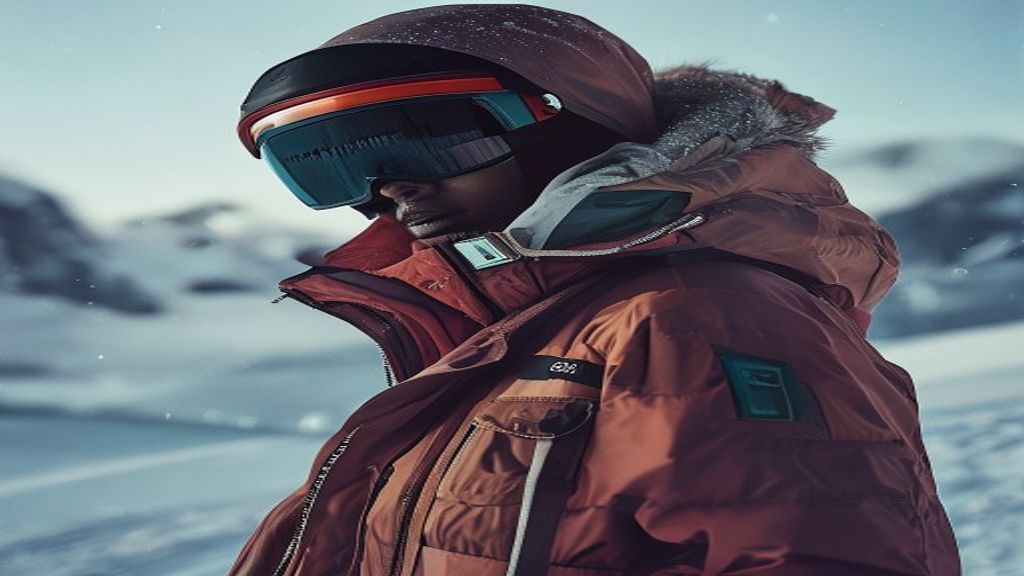
Plate · The Alpine Enigma: Unpacking the Unexpected Complexity of the Modern Ski Jacket
The Alpine Enigma: Unpacking the Unexpected Complexity of the Modern Ski Jacket
In the rarefied air of alpine luxury, where the crisp scent of pine mingles with the promise of fresh powder, the ski jacket stands as an undisputed sartorial icon. It is a garment that effortlessly marries high-octane performance with an aesthetic that speaks volumes of discerning taste. Yet, beneath its sleek exterior and often vibrant hues lies a world of engineering marvel, a testament to relentless innovation that few truly comprehend. To consider a ski jacket as merely a 'warm coat' is to profoundly underestimate its intricate architecture. It is, in fact, a sophisticated ecosystem designed to protect, perform, and project an image of effortless elegance against the most challenging winter backdrops.
From the precise weave of its technical fabrics to the strategic placement of every zipper and seam, a modern ski jacket is a symphony of hundreds of components, each meticulously chosen and integrated. It’s a garment born from the crucible of extreme conditions, where failure is not an option, and comfort is paramount. For the connoisseur of luxury ski wear, understanding this complexity is not just an academic exercise; it’s an appreciation of the craftsmanship and technology that elevates a simple piece of outerwear into a vital piece of performance outerwear, an investment in both safety and style.
The Art of Engineering: Performance Defined
At its core, a ski jacket’s primary mission is protection from the elements. This seemingly simple goal necessitates a complex interplay of waterproofing, breathability, and insulation. The modern ski jacket is not just a barrier; it's a micro-climate regulator, designed to keep you dry and comfortable from the inside out, regardless of the tempest raging outside or the intensity of your exertion.
The Imperative of Breathability & Waterproofing
The magic often lies in the membrane. Technologies like Gore-Tex ski jacket membranes, eVent, and Dermizax are engineered with microscopic pores small enough to prevent water droplets from penetrating but large enough to allow water vapor (sweat) to escape. This delicate balance is measured by two key metrics: hydrostatic head (waterproofing) and MVTR (Moisture Vapor Transmission Rate, for breathability). A truly superior jacket will boast high numbers in both categories, ensuring you remain dry from external moisture and internal perspiration.
"A jacket can be waterproof, but without breathability, it traps moisture from within, leading to chilling and discomfort. The true art lies in balance."
Beyond the membrane, a designer ski jacket employs a Durable Water Repellent (DWR) coating on its outer fabric. This invisible shield causes water to bead up and roll off, preventing the face fabric from becoming saturated. Crucially, every seam on a high-end jacket is meticulously taped or welded, creating a completely impermeable barrier against snow and rain. Without fully sealed seams, even the most advanced membrane would be rendered ineffective.
Thermal Regulation: Insulation Choices
Insulation is another critical layer of complexity. Ski jackets utilize various forms of insulation, each with distinct advantages:
- Down: Revered for its unparalleled warmth-to-weight ratio and compressibility. High fill-power down (e.g., 700-800) offers exceptional loft and trapping of warm air. Ethical sourcing, such as the Responsible Down Standard (RDS), is a key consideration for luxury brands.
- Synthetic: Materials like Primaloft insulation (Gold, Silver, Black) and Thinsulate offer warmth even when wet, are hypoallergenic, and often more durable for frequent washing. They are an excellent choice for those seeking performance without the ethical concerns sometimes associated with down.
Many jackets employ zonal insulation, strategically placing different insulation types or varying thicknesses where warmth is most needed (core) versus where mobility and breathability are prioritized (arms, sides).
Materials Matter: From Hardshell to Hybrid
The choice of outer fabric is fundamental to a jacket's performance and aesthetic. Nylon and polyester are common, selected for their durability, abrasion resistance, and ability to hold DWR treatments. The weave itself, such as ripstop, enhances tear strength without adding significant weight.
Shell Types: A Structural Overview
- 2-Layer Shell: Features an outer fabric bonded to a waterproof/breathable membrane, with a separate inner lining. Offers good versatility and often a softer hand-feel.
- 3-Layer Shell: The outer fabric, membrane, and a lightweight backing material are laminated together into a single fabric. This construction is typically lighter, more durable, and offers superior breathability, making it a favorite for demanding freeride and backcountry pursuits.
- Softshell: While not fully waterproof, softshells offer excellent breathability and stretch, providing comfort and mobility in milder conditions or for high-output activities. They are often highly water-resistant and windproof.
Increasingly, brands are adopting hybrid ski jacket constructions, combining different materials in various zones to optimize performance. For instance, a durable hardshell might be used on the shoulders and arms for weather protection, while a stretchier, more breathable fabric is integrated into the back or sides for enhanced mobility and ventilation.
Form Meets Function: Design & Aesthetics
Beyond the technical prowess, the design of a ski jacket is a masterclass in ergonomics and user experience. Every feature, from the cut to the pocket placement, is considered for its impact on performance and convenience on the mountain.
Ergonomics & Fit
A high-end jacket will feature pre-articulated sleeves and shoulders, ensuring a natural fit and unrestricted movement when reaching, poling, or turning. Gusseted underarms prevent the jacket from riding up. The fit itself ranges from athletic and tailored, allowing for streamlined layering, to more relaxed and oversized, catering to contemporary ski fashion trends and specific styles of skiing.
Essential Features & Detailing
- Helmet-Compatible Hoods: Adjustable with one-hand cinches, designed to fit comfortably over a ski helmet without restricting vision.
- Powder Skirts: An absolute necessity for deep snow, preventing snow from creeping up the jacket from below.
- Ventilation Zippers: Strategically placed (e.g., pit zips) to dump excess heat quickly during intense activity.
- Pockets: A multitude of specialized pockets, often with water-resistant zippers: chest pockets for phones, hand-warmer pockets, a sleeve pocket for an RFID ski pass, internal goggle pockets with a wipe, and even internal media pockets with headphone ports.
- Cuffs: Adjustable cuffs with integrated wrist gaiters and thumbholes seal out snow and cold, creating a seamless connection with gloves.
The Fashion Imperative: Style on the Slopes
While performance is paramount, a ski jacket is also a powerful statement of personal style. The world of luxury ski wear is dominated by brands that seamlessly blend cutting-edge technology with haute couture aesthetics. Names like Moncler, Bogner, Fusalp, Perfect Moment, Toni Sailer, and Kjus have elevated the ski jacket from mere utility to a high-fashion centerpiece.
Evolving Aesthetics & Brand Signatures
The aesthetic landscape of ski fashion is constantly evolving. While vibrant primaries once dominated, today's slopes see a sophisticated palette of muted neutrals, rich jewel tones, metallic accents, and elegant monochromatic designs. Silhouettes range from sleek, tailored fits that flatter the form to oversized, architectural puffers that make a bold statement. Details like genuine or high-quality faux fur trims, intricate embroidery, branded hardware, and contrast piping all contribute to the jacket's distinctive character.
"A luxury ski jacket isn't just about surviving the mountain; it's about owning it, with an elegance that transitions effortlessly from the black run to the après-ski champagne bar."
Many of these brands are also at the forefront of sustainable ski apparel, incorporating recycled materials, PFC-free DWR coatings, and ethical manufacturing practices into their production. This commitment to environmental responsibility resonates deeply with the modern luxury consumer.
Beyond the Piste: The Urban Integration
A well-chosen ski jacket, particularly from a luxury house, often possesses a versatility that extends far beyond the ski resort. Its sophisticated design, superior warmth, and weather protection make it a coveted piece for urban winter landscapes, seamlessly integrating into a cosmopolitan wardrobe. It becomes a statement piece, signaling an appreciation for quality, design, and adventure, even when navigating city streets.
Concluding Insights
The journey from raw material to a finished, high-performance ski jacket is an odyssey of scientific innovation, meticulous design, and artistic vision. It is a testament to how human ingenuity can transform a seemingly simple garment into a highly specialized piece of equipment, capable of withstanding the harshest conditions while exuding an air of understated luxury.
The next time you pull on your high-end ski gear, remember you're not just donning a piece of outerwear; you're embracing a meticulously crafted marvel of modern design, a testament to ski jacket technology, and a beacon of alpine style. It is an investment, not just in warmth and protection, but in an experience, a statement, and a profound appreciation for the unseen complexity that truly defines the pinnacle of winter sports apparel.