The Shadow of Style: Nicolas Cage's 'Longlegs' Sequel and the Art of Cinematic Fashion
Nicolas Cage returns to the unsettling world of 'Longlegs', promising a sequel that merges psychological horror with a compelling, high-fashion aesthetic.
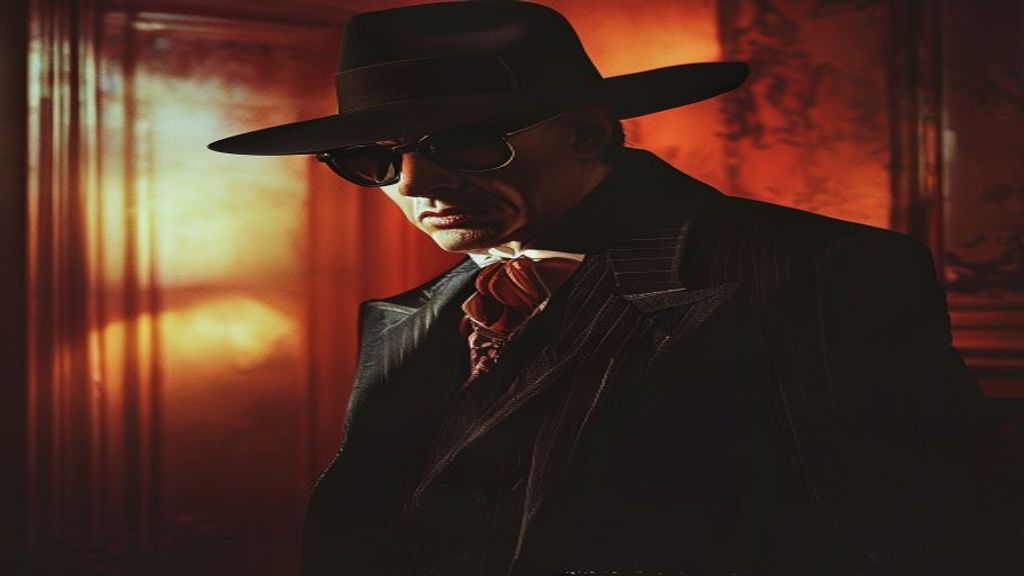
Plate · The Shadow of Style: Nicolas Cage's 'Longlegs' Sequel and the Art of Cinematic Fashion
In the rarefied air of cinematic discourse, where the intersection of performance, narrative, and visual artistry converges, few announcements ignite as much fervent discussion as the return of a true auteur to a role that defined a new aesthetic. The news that Nicolas Cage is set to reprise his unsettling role in a new ‘Longlegs’ film is more than just a casting update; it is a profound declaration, a meticulously curated signal to connoisseurs of both psychological horror and avant-garde style. This is not merely a sequel; it is an anticipated second act in a sartorial thriller, a continuation of a visual narrative where every shadow, every gesture, and indeed, every thread, is imbued with profound significance.
The original ‘Longlegs’ carved a niche not just through its chilling narrative and masterful suspense, but through its distinctly unsettling visual grammar. It presented a world where the mundane became terrifying, where the absence of overt glamour amplified a profound, almost gothic, sense of dread. For fashion aficionados, the film was a masterclass in understated terror, a study in how a character's aesthetic, or lack thereof, can become a potent tool for psychological manipulation and narrative depth. Cage, as the eponymous Longlegs, delivered a performance that was less about bombast and more about a chilling, almost spectral presence, underpinned by a wardrobe that was paradoxically unremarkable yet utterly unforgettable.
The Enigma of 'Longlegs': A Stylistic Deconstruction
The first 'Longlegs' film, directed by Osgood Perkins, established a distinct visual language that transcended conventional horror tropes. It wasn't about jump scares; it was about atmosphere, an insidious creep that permeated every frame. This atmospheric density was heavily reliant on its costume design and overall production aesthetic. The color palette was muted, almost desaturated, evoking a sense of bleak realism that made the occasional bursts of unsettling imagery all the more impactful. The clothing choices for the characters, particularly for the antagonist, Longlegs, played a crucial role in crafting this chilling verisimilitude. His unassuming attire—often simple shirts, practical trousers, and an air of deliberate anonymity—became a terrifying camouflage. It was the antithesis of the dramatic, flamboyant villain, a subtle subversion that spoke volumes about his insidious nature.
The Anti-Hero's Wardrobe: Cage's Character and Sartorial Subversion
Nicolas Cage’s portrayal of Longlegs was a testament to the power of performative restraint, a dramatic departure from some of his more overtly maximalist roles. His character’s wardrobe was not about making a fashion statement in the traditional sense; rather, it was about the profound absence of one. This deliberate sartorial minimalism became a statement in itself, a chilling uniform of the everyday that rendered his heinous acts even more disturbing. It challenged the viewer to look beyond the surface, to find the horror lurking beneath the unremarkable. This approach is a fascinating study for costume designers and fashion critics alike, demonstrating how clothing can be used to mask, to reveal, and to utterly disarm. It’s a powerful exploration of how a character's style, or lack thereof, can contribute to a narrative's psychological depth, turning an ordinary ensemble into an emblem of dread.
"In the world of 'Longlegs,' style isn't about what you wear, but what it conceals. It's the ultimate anti-fashion statement, making the ordinary truly terrifying."
— Fashion Critic, Vogue Noir
The choice of textiles, even if seemingly simple, would have been meticulous. Perhaps coarse wools, worn cottons, fabrics that speak of anonymity and a life lived on the fringes. The silhouette would be unassuming, never drawing attention, allowing the true horror to emanate from the character’s actions and unsettling presence rather than his outward appearance. This curated look of the utterly un-curated is a sophisticated design choice, pushing the boundaries of what 'costume' means in a genre often associated with fantastical or overtly dramatic attire. It's a masterclass in how subtle visual cues can create a profound, lasting impact on the audience's perception of a character's essence.
The Anticipated Return: Evolution of a Cinematic Icon
The announcement of a new ‘Longlegs’ film naturally prompts speculation about the evolution of this chilling aesthetic. How will the visual narrative deepen? Will Cage's character retain his unsettling anonymity, or will there be subtle shifts in his sartorial presentation that hint at a new phase of his malevolence? For a premium fashion publication, these are not mere plot points but vital questions concerning the continued development of a cinematic style icon – albeit one of a profoundly disturbing nature. The potential for new costume designers to interpret and expand upon Perkins' original vision is immense. Could we see elements of contemporary avant-garde fashion subtly woven into the fabric of the film, perhaps through the victims or the investigators, creating a stark contrast to Longlegs’ timeless, terrifying simplicity?
Crafting the 'Longlegs' Aesthetic: Beyond the Screen
The influence of cult classic films on high fashion is well-documented, and 'Longlegs' holds the potential to join this esteemed lineage. Its unique visual identity, characterized by its muted palette, raw textures, and unsettling realism, could inspire future collections. Imagine runway shows featuring silhouettes that echo the film's stark lines, or textile explorations that mimic its gritty, tactile feel. The film's aesthetic could easily translate into editorial spreads, showcasing a darker, more introspective side of luxury fashion. The subtle dread it evokes, combined with its distinct visual grammar, offers a rich tapestry for designers to draw upon, proving that true style can be found even in the most unexpected and unsettling of places. It's about the mood, the fabrication, the overall psychological effect, rather than overt glamour.
The sequel presents an opportunity to delve deeper into the psychological landscape of its characters, and costume will undoubtedly play a pivotal role. Will the investigators, perhaps now more attuned to the subtle horror, adopt a more resilient, perhaps even subtly protective, sartorial approach? Will Longlegs himself, having evolved or adapted, present a new facade – perhaps a more polished, yet equally menacing, exterior that speaks to a deeper, more refined evil? These are the nuances that elevate a film from mere entertainment to a profound cultural statement, particularly within the discerning lens of fashion. The attention to detail in every bespoke element of the wardrobe will be crucial.
Nicolas Cage: A Legacy of Transformative Style
Nicolas Cage’s career is a masterclass in dramatic transformation, often expressed through his characters' distinctive styles. From the wild, leather-clad rebel of 'Wild at Heart' to the bespoke, understated menace of 'Mandy,' and the meta-fashion commentary of 'The Unbearable Weight of Massive Talent,' Cage has consistently embraced costume as an integral part of his performance. He understands that clothing is not merely an adornment but a profound extension of character, a visual shorthand for inner turmoil, aspiration, or profound psychological states. His willingness to inhabit diverse sartorial identities makes his return to the subtly terrifying 'Longlegs' persona all the more compelling.
His roles often feature wardrobe choices that become as iconic as his performances. They are not merely clothes; they are statements, symbols, and often, an extension of the character's soul. This dedication to visual storytelling through costume is a hallmark of truly great actors and an endless source of inspiration for fashion creatives.
Iconic Cage Looks and Their Fashion Resonance:
- Sailor Jacket in 'Wild at Heart' (1990): An emblem of rebellious romance, the snakeskin jacket became a cult classic, influencing street style and avant-garde designers for decades. A true statement piece.
- Red Suit in 'Mandy' (2018): A visceral, blood-soaked symbol of grief and vengeance, this vibrant, almost ceremonial attire transformed into a potent visual metaphor, resonating with maximalist and dramatic fashion trends.
- Eccentric Casual in 'The Unbearable Weight of Massive Talent' (2022): A playful, self-referential exploration of personal style, blending luxury with quirky casualness, reflecting contemporary trends in curated, individualized wardrobes.
- The Unassuming Dread of 'Longlegs' (2024 - anticipated): The ultimate sartorial subversion, proving that true horror can be found in the absence of spectacle, a testament to minimalist terror and the power of understated luxury in its most chilling form.
Each of these looks, whether intentionally high-fashion or deliberately anti-fashion, demonstrates Cage's profound understanding of how clothing can amplify a character's narrative. He is a chameleon, not just in his acting range but in his ability to embody and elevate a character's aesthetic, making each wardrobe choice a deliberate, meaningful stroke on the canvas of his performance. This artisan approach to character development through costume is a rare and cherished quality in Hollywood.
The Intersection of Horror and High Fashion
The relationship between horror and high fashion is a complex, often provocative, dance. From Alexander McQueen's gothic romanticism to Rick Owens' architectural deconstruction, designers have long drawn inspiration from the darker facets of human experience. Horror, with its emphasis on mood, atmosphere, and the unsettling beautiful, offers a rich wellspring for creative expression. The dramatic flair, the chiaroscuro lighting, the psychological depth—all find parallels on the runway and in editorial spreads. 'Longlegs,' with its sophisticated approach to fear, is perfectly positioned to contribute to this ongoing dialogue, proving that terror, when artfully rendered, can possess its own unique, compelling aesthetic. It’s about the curated discomfort, the unsettling beauty, the dramatic silhouettes that evoke a sense of the sublime and the terrifying.
This genre often allows for a more daring exploration of themes and visuals, pushing boundaries that mainstream fashion might shy away from. It's where avant-garde concepts truly thrive, where raw emotion and stark realities can be translated into powerful visual narratives. The juxtaposition of fear and beauty creates a compelling tension that resonates deeply within the artistic community, and 'Longlegs' exemplifies this delicate balance with its almost painterly approach to dread.
Concluding Insights: A New Chapter in Cinematic Style
Nicolas Cage’s return to the ‘Longlegs’ universe is far more than a mere cinematic event; it is a significant moment for those who appreciate the profound interplay between film and fashion. It signals a continued exploration of how character, narrative, and aesthetic can converge to create something truly unforgettable and deeply unsettling. As senior fashion editors, we keenly await the visual lexicon that the new film will unveil. Will it reinforce the chilling minimalism of the original, or will it introduce new, equally potent sartorial codes? One thing is certain: the return of Longlegs, with Cage at its enigmatic heart, guarantees a masterclass in cinematic elegance, a testament to the power of a curated aesthetic, and a chilling reminder that true style, in all its forms, can reside in the most unexpected and terrifying of places. It's a testament to the enduring power of visual storytelling and the meticulous craftsmanship required to bring such a distinct world to life, proving that even in the darkest narratives, there is a profound, unsettling beauty to be found. The fashion world watches, captivated by the evolving silhouette of dread.