Textile Reuse Isn’t Broken, But the Narrative Around It Is
Beyond fleeting trends, luxury fashion has always championed textile longevity. It's time to reframe the conversation around reuse, celebrating craftsmanship and enduring elegance.
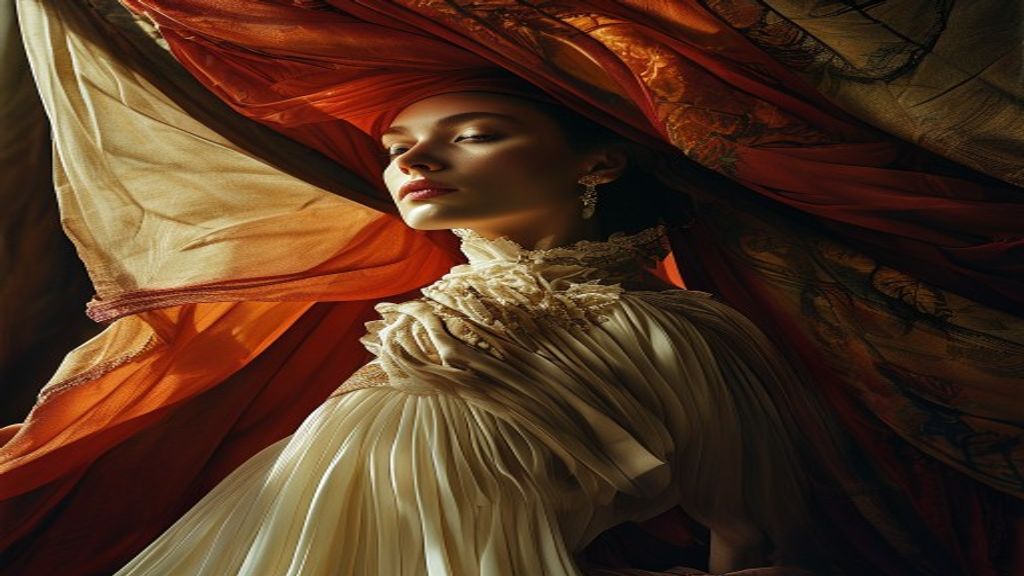
Plate · Textile Reuse Isn’t Broken, But the Narrative Around It Is
In the hallowed halls of haute couture and the esteemed ateliers of heritage brands, textiles have always been revered. They are not mere materials but vessels of history, craftsmanship, and artistic expression. Yet, in the contemporary discourse surrounding sustainability, the narrative around textile reuse often falls short of capturing its true elegance and profound significance within luxury fashion. It is a dialogue frequently dominated by statistics of waste and the perceived burden of discarded garments, overshadowing the sophisticated, often centuries-old practices of revalorization that are intrinsic to premium design. This article posits that while the mechanisms of textile reuse are robust and ever-evolving, the public narrative surrounding them is profoundly misaligned with the industry’s rich heritage and innovative future. We must elevate the conversation, shifting from a focus on 'waste management' to an appreciation of 'resource artistry' – a perspective that has always been at the heart of true luxury.
The Enduring Legacy of Fabric: A Timeless Investment
Long before the advent of rapid production cycles and disposable fashion, textiles were precious commodities, imbued with significant economic and sentimental value. A finely woven silk, a meticulously embroidered linen, or a robust wool tweed represented not just material worth, but hours of skilled labour and a tangible investment. In aristocratic households and burgeoning bourgeois circles alike, garments were not merely worn and discarded; they were cherished, mended, altered, and often passed down through generations. This was the genesis of what we now loosely term 'reuse' – a practical necessity born of respect for resources and craftsmanship.
Think of the intricate alterations made to ballgowns to suit new trends or wearers, the transformation of noble silks into ecclesiastical vestments, or the humble patching of everyday attire that extended its life. This historical reverence for fabric is deeply woven into the DNA of luxury. It manifests today in the meticulous restoration of vintage couture pieces, the painstaking repair services offered by esteemed houses, and the enduring appeal of heirloom quality garments designed to transcend seasons and decades. The true sartorialist understands that an investment in a luxury textile is an investment in longevity, a testament to enduring style rather than transient trends. This intrinsic value, this profound respect for material, is the bedrock upon which the entire edifice of high fashion is built, and it naturally fosters a culture of preservation and re-imagination.
To truly understand textile reuse is to first acknowledge the inherent, timeless value of fabric itself – a legacy of artistry and investment.
From Archival Inspiration to Avant-Garde Reconstruction
The creative process within luxury fashion has perpetually drawn from a wellspring of history and material ingenuity. Designers, from the legendary figures of the past to the avant-garde visionaries of today, have consistently engaged in forms of textile reinterpretation. This can manifest as subtle homage, where historical silhouettes or artisanal techniques are revived and reimagined for a contemporary audience, breathing new life into forgotten forms. More overtly, it involves the direct deconstruction and reconstruction of existing materials.
Consider the masterful work of designers who might meticulously dissect vintage garments to understand their construction, or those who incorporate rare archival fabrics into new, limited-edition capsules. This isn't merely 'upcycling' in the colloquial sense; it is a sophisticated dialogue with material history, a testament to innovation rooted in respect. From patchwork techniques that elevate humble remnants to extraordinary textile tapestries, to the intricate re-weaving of damaged luxury fabrics, the runway has long been a stage for demonstrating the transformative power of a designer's touch. This practice underscores a fundamental truth: within luxury, what might be perceived as 'old' or 'spent' is often viewed as a valuable resource, ripe for artistic revalorization.
Deconstructing the Modern Misconception: Beyond the Bin
The prevailing public narrative around textile reuse is often painted with broad strokes, heavily influenced by the undeniable challenges of fast fashion's linear model. Images of overflowing landfill sites and mountains of discarded garments from mass-market brands dominate the discourse, leading to an oversimplified and often negative perception of 'recycled' or 'reused' textiles. This narrative, while vital for addressing the environmental impact of disposable clothing, unfortunately conflates the very distinct practices of high-end textile valorization with the systemic issues of low-cost, high-volume production.
The luxury sector’s approach to textile longevity, repair, and re-imagination operates on an entirely different plane. It is not about mitigating a deluge of waste from inherently short-lived products, but about extending the life and enhancing the value of meticulously crafted, high-quality materials. When a luxury brand repurposes its own deadstock fabrics into a new collection, or when a skilled artisan breathes new life into a treasured vintage garment, this is not merely 'reuse' as understood in the context of charity shop donations. It is an act of meticulous design, skilled craftsmanship, and conscious resource management, often resulting in pieces that are even more unique and desirable. We must challenge the unidimensional view that 'reused' implies 'inferior' or 'second-best,' and instead cultivate an understanding that, in the realm of luxury, it often signifies rarity, bespoke artistry, and elevated sustainability.
The luxury of textile reuse lies not in merely diverting waste, but in an elevated alchemy that transforms heritage into innovation.
The True Art of Revalorization: A Confluence of Craft and Innovation
The actual practices of textile revalorization within the luxury sphere are a testament to human ingenuity and a deep respect for material integrity. They are far removed from the simplistic notions often projected onto the concept of 'reuse.' These sophisticated approaches embody true sustainable luxury:
- Archival Regeneration: Leading houses meticulously preserve and study their own textile archives, using them not only for inspiration but sometimes deconstructing and re-engineering historical fabrics or using remnants to create limited-edition contemporary pieces.
- Luxury Deadstock Transformation: Excess high-quality fabrics, often referred to as 'deadstock' or 'couture remnants,' are not discarded but are thoughtfully integrated into new capsule collections, accessories, or bespoke commissions, ensuring no valuable material is wasted.
- Artisanal Repair & Restoration: Many heritage brands offer extensive repair services, from re-weaving delicate silks to re-stitching intricate embroidery, preserving the life and value of cherished garments for decades.
- Advanced Textile Recycling: Investment in cutting-edge technologies that can break down complex luxury blends into their original fiber components, allowing for the creation of new, high-grade yarns without compromising quality or aesthetic.
- Vintage & Upcycled Couture: Independent designers and niche ateliers specializing in sourcing rare vintage textiles or garments and transforming them into unique, contemporary couture pieces, celebrating their history while forging a new future.
Cultivating a Refined Narrative: Storytelling the Sustainable Future
To truly shift the perception of textile reuse within luxury, the industry must proactively cultivate a more refined and aspirational narrative. This requires a concerted effort in storytelling, moving beyond mere ecological statistics to embrace the inherent beauty, artistry, and exclusivity that revalorized textiles can embody.
Luxury brands have an unparalleled opportunity to educate their discerning clientele. Imagine campaigns that celebrate the journey of a particular silk from a storied atelier, its initial life as a haute couture gown, and its subsequent transformation into a limited-edition accessory – each stage imbued with history and craftsmanship. This is about highlighting the 'why' and the 'how' of reuse, emphasizing the meticulous design process, the skilled hands involved, and the environmental stewardship inherent in extending a material's life.
Fashion media and premium publications play a crucial role in amplifying this message. By featuring designers who champion these practices, by showcasing the exquisite results of high-end textile revalorization, and by framing it as an integral component of responsible luxury, we can elevate the discourse. The goal is to reposition textile reuse not as a compromise, but as a hallmark of true sophistication, a testament to thoughtful consumption, and a compelling facet of modern sartorial elegance. It transforms a perceived limitation into a creative advantage, an expression of exclusivity and conscious design that resonates deeply with the values of discerning consumers who seek both beauty and integrity.
The future of luxury textile reuse demands a narrative as exquisite and carefully crafted as the garments themselves.
Concluding Insights
Textile reuse, far from being a nascent or flawed concept, is an intrinsic thread woven through the rich tapestry of luxury fashion history. From the pragmatic elegance of generations past to the innovative practices of today’s leading design houses, the valorization of fabric has always been a testament to human ingenuity, artistic vision, and a profound respect for resources. The challenge before us is not to 'fix' textile reuse – for in its essence, it is profoundly sound – but to mend the frayed edges of its public narrative.
By embracing a lexicon that celebrates artisanal craftsmanship, design innovation, and the enduring beauty of materials, we can elevate the conversation. We can inspire a deeper appreciation for the circularity that defines true sustainable luxury, demonstrating that the most exquisite expressions of style are often those that honor the past while ingeniously crafting the future. The enduring allure of luxury fashion lies in its ability to transcend the ephemeral, and in this spirit, textile reuse is not just a practice, but a timeless philosophy – an investment in elegance that truly lasts.