The Unveiling of Arlen's Future: King of the Hill Season 15 as a Cultural Reimagining
The return of King of the Hill isn't just a revival; it's a meticulously crafted cultural artifact, offering a subversive lens on American style and evolving narratives.
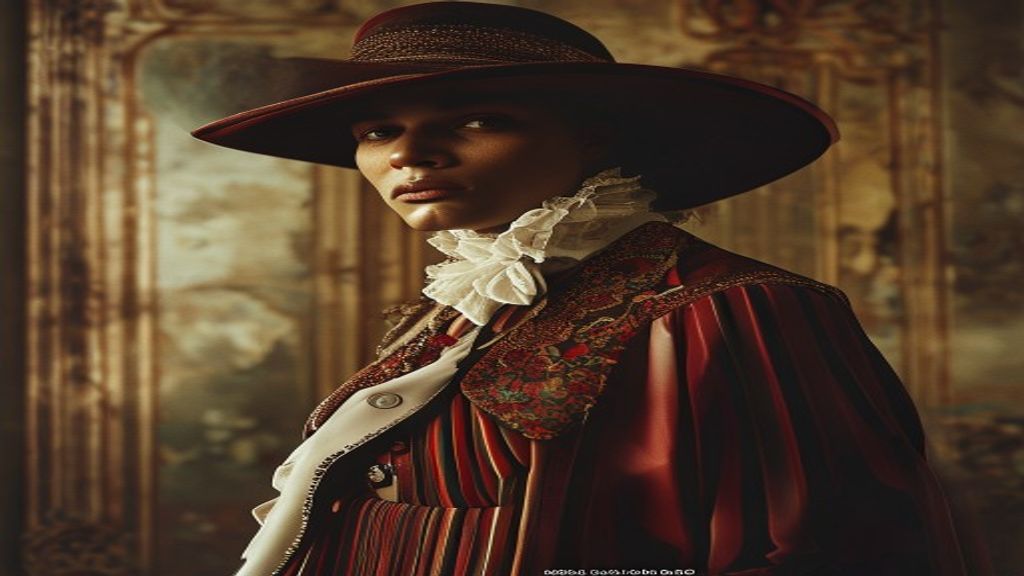
Plate · The Unveiling of Arlen's Future: King of the Hill Season 15 as a Cultural Reimagining
The Arlen Renaissance: King of the Hill Season 15 – A Sartorial Reawakening
In the ephemeral, ever-shifting landscape of contemporary culture, certain touchstones emerge, not merely as entertainment, but as profound commentaries on the human condition. It is with a frisson of anticipation, therefore, that the announcement of Hulu’s ‘King of the Hill’ Season 15 receiving its official release date in Fall 2024 reverberates through the digital ether. This is not merely the resurrection of a beloved animated series; it is a meticulously orchestrated cultural re-entry, a potential re-calibration of the American aesthetic, viewed through the subversive lens of Arlen, Texas.
As senior fashion editors, our gaze extends beyond the superficial sheen of celebrity and the transient whims of the runway. We seek the deeper currents, the foundational narratives that inform our collective style and consciousness. ‘King of the Hill’, in its original iteration, was a masterclass in understated visual storytelling, its characters’ sartorial choices — though seemingly mundane — forming a compelling, if unintentional, capsule collection of regional American identity. Now, as the series prepares its return, the question is not merely what new narratives will unfold, but how will this iconic design language evolve to reflect a world radically transformed?
The Arlen Aesthetic: A Deconstructive Analysis of Unsung Style
The genius of ‘King of the Hill’ lay in its unflinching portrayal of the ordinary, elevating the suburban experience to a form of quiet grandeur. Its visual lexicon, often overlooked in favor of its sharp wit and social commentary, is ripe for deconstruction. The characters’ clothing, far from being mere costumes, functioned as textile manifestations of their personalities, their aspirations, and their place within the social fabric of Arlen.
“Arlen’s inhabitants, in their seemingly unremarkable attire, crafted an accidental prêt-à-porter line that spoke volumes about authenticity and the quiet rebellion of the everyday.”
Consider the deliberate, almost minimalist approach to character design. These weren’t figures draped in haute couture, but rather archetypes whose consistent silhouette and palette became instantly recognizable, almost totemic. This inherent consistency, a form of heritage fashion in itself, offers a fascinating counterpoint to the rapid cycles of contemporary trend. Season 15 presents an unprecedented opportunity to explore how these established visual narratives might be subtly or dramatically reinterpreted for a new era.
Hank Hill: The Unsung Icon of Utilitarian Chic
Hank Rutherford Hill, with his ubiquitous blue jeans, white pocket tee, and sensible work shirt, is arguably the unwitting progenitor of ‘normcore’ long before the term entered the fashion lexicon. His signature style is a testament to durability, practicality, and an unwavering commitment to a personal uniform. It’s a statement piece born not of aspiration, but of ingrained utility and a deeply held belief in efficiency. How will Hank’s sartorial code translate to the 2020s? Will his denim remain resolutely classic, or will we see a subtle shift in fabrication—perhaps a nod to sustainable fashion or advanced textile innovation? His propane-centric life, too, could inspire a new wave of industrial-chic accessories or workwear-inspired streetwear that transcends its origins.
Peggy Hill: The Maximalist of Modesty
Peggy Hill, on the other hand, is Arlen’s resident maximalist, a woman whose self-assured (if often misguided) confidence manifests in a riot of bold patterns, unexpected color combinations, and idiosyncratic styling choices. Her oversized glasses, unique jewelry, and penchant for vibrant prints are a testament to individual expression, a refusal to conform to the blandness of suburban expectation. Peggy embodies a spirit of authenticity that, in today’s curated digital landscape, is more resonant than ever. Will her ensembles evolve to incorporate digitally printed artisanal fabrics, or perhaps embrace a more refined, yet still audacious, approach to contemporary design? Her character offers a rich canvas for exploring the intersection of personal style and cultural self-perception.
Bobby Hill: The Evolving Canvas of Youth Culture
Bobby Hill, perhaps more than any other character, represents the fluid, evolving nature of identity. His journey from an awkward child to a burgeoning young adult, navigating the complexities of self-discovery, offers the most fertile ground for fashion-forward exploration. In a world increasingly embracing gender fluidity and diverse forms of expression, Bobby’s character could become a pivotal figure. Will his wardrobe reflect the burgeoning influences of gender-neutral fashion, vintage revivals, or a uniquely Arlen interpretation of global streetwear? The potential for costume design analysis here is immense, offering insights into generational shifts in aesthetic and the very definition of what it means to dress oneself in the modern age.
The returning series could delve into:
- The Rise of Sustainable Arlen: How characters like Hank might inadvertently embrace eco-conscious fashion through durability and repair.
- Digital Threads: The impact of social media and online curated ensembles on Arlen's youth, particularly Bobby and his friends.
- Local Craftsmanship: A potential emphasis on small-batch, artisanal goods and regional design language, reflecting a broader cultural movement towards supporting local economies.
- The Evolution of Workwear: How the utilitarian aesthetic of characters like Dale and Bill might subtly shift to reflect contemporary labor trends and new material science.
The Fabric of Suburbia: KOTH as a Cultural Textile
‘King of the Hill’ has always been more than just a cartoon; it’s a living, breathing cultural commentary, a meticulously woven textile depicting the nuanced realities of American life. Its return offers a unique opportunity to gauge the shifts in our collective consciousness, particularly concerning consumerism, community, and the very definition of success. The show’s inherent authenticity, its refusal to glamorize or condescend, makes it an invaluable lens through which to examine our evolving societal zeitgeist.
“In an era of performative identity, the unvarnished reality of Arlen provides a refreshing counter-narrative, a raw material for genuine cultural discourse.”
The animated medium, in its capacity for exaggeration and subtle nuance, allows for a precise visual narrative that can highlight socio-economic shifts through clothing, home decor, and even the design of everyday objects. The new season is poised to be a masterclass in this form of television aesthetics, offering a rich tapestry for analysis by discerning eyes. We anticipate a subtle yet profound evolution in the show's palette and silhouette, reflecting the passage of time and the indelible mark of contemporary life on these beloved characters.
Beyond the Frame: Season 15's Potential for Redefinition
The anticipation for ‘King of the Hill’ Season 15 transcends mere nostalgia. It is an acknowledgment of the series’ enduring relevance as a platform for exploring profound cultural questions. How will the characters grapple with the digital age, with shifting social norms, and with a world that often feels unrecognizable from their 1990s origins? Will we see a foray into gender-neutral styling for younger characters, reflecting broader societal shifts? Will the show’s inherent critique of consumerism find new targets in fast fashion or the hyper-curated online persona?
The beauty of this revival lies in its potential for reinterpretation. The creators have an unparalleled opportunity to build upon a beloved archival foundation while simultaneously pushing the boundaries of what an animated sitcom can achieve as a form of cultural commentary. We expect not just humor, but also a sophisticated engagement with the challenges and triumphs of contemporary life, all subtly underscored by the sartorial choices that define these unforgettable individuals.
Concluding Insights: Arlen as the New Atelier
The return of ‘King of the Hill’ for its fifteenth season is more than a mere programming event; it is a significant cultural moment, a chance to revisit and reinterpret a foundational text of American identity. As senior fashion editors, we see Arlen not just as a fictional town, but as a conceptual atelier, its inhabitants unwitting pioneers of diverse aesthetics. From Hank’s enduring heritage uniform to Peggy’s bold maximalism and Bobby’s evolving expression, the show offers a rich, complex design language that continues to resonate. The forthcoming season promises not just laughter, but a profound, visually rich exploration of what it means to be American in the 21st century, all woven into the very fabric of their lives. It is, in essence, a couture collection of the everyday, exquisitely rendered for our discerning gaze.