From the Archive: Technology Turn-on – Rewiring Streetwear's Future
Delve into the archives to uncover how groundbreaking technology has continually ignited and reshaped the very fabric of streetwear and high fashion, from smart textiles to digital design.
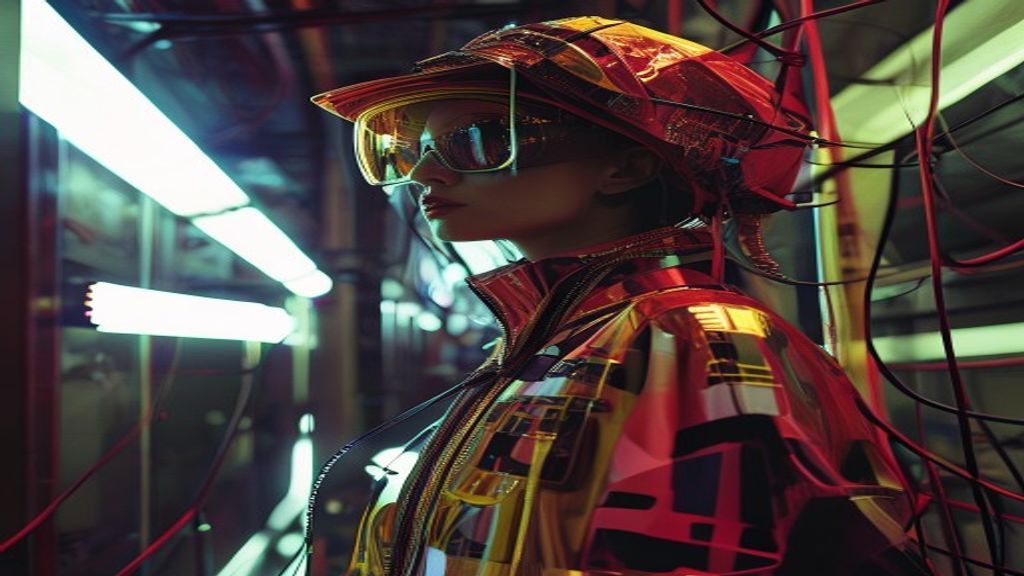
Plate · From the Archive: Technology Turn-on – Rewiring Streetwear's Future
From the Archive: Technology Turn-on – Rewiring Streetwear's Future
In the relentless churn of fashion, where trends ignite and fade faster than a limited-edition drop, there’s a deeper current, a foundational force that consistently re-energizes the entire ecosystem: technology. From the archive, we pull back the layers to reveal a narrative of audacious innovation, a story where the cold logic of engineering meets the visceral thrill of style. This isn't just about gadgets; it's about a profound 'technology turn-on' that has perpetually electrified streetwear and sent ripples through the highest echelons of luxury. It's the spark that ignites new silhouettes, redefines fabrication, and ultimately, reshapes how we interact with what we wear. For decades, the street has been the ultimate crucible, melting down scientific advancements and forging them into cultural currency, pushing boundaries long before the runway caught up. This deep dive into fashion's tech-infused past and present unpacks how innovation isn't just a trend, but the very engine of evolution, driving an aesthetic revolution from the lab to the pavement.
The Early Signals: Function Meets Form
Before the era of smart fabrics and digital avatars, the initial seduction of technology in fashion was rooted in pure function. The post-war industrial boom and the space race ignited a fascination with synthetic materials and performance-driven design. Suddenly, clothing wasn't just about covering the body; it was about enhancing it, protecting it, and enabling new forms of movement. This era saw the rise of fabrics like nylon, polyester, and later, groundbreaking membranes such as Gore-Tex. These weren't initially conceived for high fashion or urban exploration; they were born from military specifications, mountaineering demands, and professional sportswear. Yet, the street, ever the alchemist, recognized their inherent power. Utilitarian design, once reserved for specialized gear, began its slow, inevitable migration into everyday wardrobes. The robust durability of ripstop nylon, the weather-resistant prowess of technical shells, and the streamlined aesthetics of athletic apparel offered a fresh, pragmatic edge that resonated deeply with a burgeoning youth culture seeking authenticity and a rejection of traditional sartorial norms.
Brands like Stone Island and C.P. Company, with their obsessive focus on fabric innovation and garment dyeing techniques, became early architects of this new aesthetic, blending military influences with a distinct European design sensibility. Their jackets, often featuring intricate pocket systems, innovative closures, and experimental treatments, were more than just outerwear; they were statements of intent, signaling a wearer who valued both form and a deeply considered function. This early 'techwear' wasn't about flashing LEDs; it was about the subtle confidence derived from superior material science and intelligent construction. It was about knowing your jacket could handle anything the urban landscape threw at it, while still looking undeniably sharp. This foundational shift cemented the idea that sophisticated engineering could, and should, be inherently stylish, laying the groundwork for every technological leap that followed.
The street always finds a way to remix utility into unadulterated cool.
This period wasn't just about introducing new materials; it was about fundamentally altering the perception of what fashion could be – a convergence of practical necessity and aspirational design.
Material Revolution: From Lab to Runway (and Pavement)
The material revolution extended far beyond basic synthetics. As technology advanced, so did the complexity and ingenuity of textiles. We saw the emergence of advanced technical fabrics designed for specific properties: extreme waterproofing, breathability, insulation, and even active cooling. Think of materials like Schoeller, renowned for its stretch and weather resistance, or Dyneema, an ultra-high-molecular-weight polyethylene fiber offering unparalleled strength-to-weight ratio. These innovations weren't confined to specialist outdoor gear for long. Streetwear brands, with their keen eye for authenticity and performance, began integrating these fabrics into their collections, elevating everyday garments to new levels of functionality and luxury. The allure wasn't just about protection from the elements; it was about the tactile experience, the subtle sheen, the way these innovative materials draped and moved. Reflective detailing, initially a safety feature for nighttime visibility, transformed into a key aesthetic element, adding a dynamic, futuristic edge to jackets, sneakers, and accessories. Heat-sensitive fabrics, though sometimes dismissed as gimmicky, pushed the boundaries of interactive apparel, creating garments that visibly changed with the wearer's body temperature or environmental conditions. This constant experimentation with smart textiles and advanced composites fundamentally reshaped silhouettes, favoring ergonomic cuts, articulated knees, and layered constructions that maximized both comfort and urban utility. The archive shows a clear trajectory: from the lab bench to the factory floor, these materials became the building blocks of a new fashion language, one that spoke of progress, resilience, and an uncompromising stance on quality.
The Digital Wave: Code & Couture
If the first wave of technological turn-on was about materials, the second, and arguably more disruptive, wave arrived with the digital age. This era heralded a paradigm shift, moving beyond the physical properties of garments to the very process of their creation, consumption, and even existence. Digital fashion, once a niche concept, has exploded, fueled by advancements in computing power and creative software. 3D printing, for instance, has moved from industrial prototyping to crafting intricate, often sculptural, garments and accessories that would be impossible to produce through traditional manufacturing. Designers are now able to render entire collections in virtual space, experimenting with forms, textures, and movements without producing a single physical sample, significantly reducing waste and accelerating the design cycle. This digital prowess isn't just a backend tool; it's becoming a front-facing component of the fashion experience.
The pixel is the new stitch, and the blockchain, the ultimate archive.
The rise of the metaverse fashion and NFTs has created entirely new economies and aesthetics. Virtual garments, often hyper-realistic and physics-defying, allow for self-expression in digital realms, blurring the lines between the physical and the virtual wardrobe. Brands, from established luxury houses to agile streetwear labels, are leveraging virtual reality and augmented reality for immersive shopping experiences, digital try-ons, and interactive marketing campaigns. These technologies aren't merely replicating existing fashion; they are expanding its very definition, creating opportunities for designers to explore dimensions previously unimaginable. The archive reveals a rapid acceleration here, from early digital renders to fully interactive virtual showrooms, demonstrating how quickly the fashion industry is adapting to and embracing new digital frontiers.
Hyper-Personalization & On-Demand Production
The digital revolution also brings with it the promise of unprecedented customization and sustainability. With advanced algorithmic design and precise manufacturing techniques, AI in design is enabling hyper-personalization on a scale previously impossible. Consumers can now co-create their garments, selecting specific fabrics, colors, and even modifying silhouettes to fit their unique preferences and body types. This shift towards on-demand manufacturing not only empowers the individual but also addresses critical environmental concerns. By producing only what is ordered, brands can drastically reduce overproduction, textile waste, and the carbon footprint associated with traditional mass-market cycles. The ability to print textiles with minimal water usage or to craft components layer by layer with 3D printers represents a monumental leap towards a more sustainable fashion ecosystem. This isn't just about efficiency; it's about a conscious recalibration of the industry, driven by technological advancements that prioritize both individual expression and planetary well-being. The archive suggests this movement, once a fringe idea, is now a core tenet of forward-thinking fashion.
Wearable Tech: Beyond the Gimmick
The most direct intersection of technology and apparel is, undoubtedly, wearable technology. While early iterations often felt clunky and more like a novelty than a genuine fashion statement, the integration of smart elements into clothing has evolved considerably. Today, smart garments are becoming increasingly sophisticated, offering functionalities that range from health monitoring (tracking heart rate, sleep patterns) to environmental interaction (temperature regulation, mood lighting). The challenge has always been to seamlessly blend cutting-edge electronics with compelling aesthetics, moving beyond the 'gimmick' factor to create genuinely desirable and intuitive products.
True innovation isn't just about what it does, but how effortlessly it fits into your vibe.
Streetwear, with its inherent embrace of innovation and performance, has been a key driver in pushing this envelope. Think of jackets with integrated heating elements for extreme weather, sneakers with self-lacing technology, or interactive apparel that responds to sound or touch. These aren't just functional improvements; they are extensions of personal style, offering a new layer of expression and utility. The archive shows a clear progression from bulky wrist devices to discreetly embedded sensors and conductive fibers woven directly into the fabric, making the technology virtually invisible until activated. This continuous refinement signifies a future where our clothing will not only look good but also actively enhance our lives, becoming an intuitive interface between ourselves and the world around us. The 'technology turn-on' here is about the promise of a truly symbiotic relationship between wearer and garment.
The Street as a Testbed
The enduring power of streetwear culture lies in its irreverent spirit and its unwavering willingness to experiment. It has historically served as a dynamic testbed for technological advancements, often adopting and popularizing innovations long before they hit mainstream luxury. From the adoption of rugged outdoor gear in urban environments to the early embrace of digital print techniques and reflective materials, the street has always been at the forefront of repurposing and recontextualizing technology. This democratic approach to fashion innovation, driven by youth culture and a desire for authentic self-expression, ensures that technological integration is constantly challenged and refined. What begins as a functional novelty in a specialized sector often finds its ultimate, stylish expression on the pavement, remixed and reinterpreted by the creative minds of urban style pioneers. This continuous feedback loop between technological capability and cultural adoption is what truly fuels the evolution of modern fashion.
Concluding Insights: The Future is Woven
Looking back through the archive, the narrative is clear: technology isn't just a fleeting trend in fashion; it is the loom upon which the future of style is being woven. From the foundational shifts wrought by performance materials to the mind-bending possibilities of digital design and wearable tech, each advancement has sparked a new 'technology turn-on,' igniting creativity and recalibrating our expectations of what clothing can be. The convergence of physical and digital realms, the imperative for sustainable fashion, and the insatiable desire for personalization are all being met and amplified by innovation. We are moving towards a future where garments are not merely static objects but intelligent, adaptive, and interactive extensions of ourselves. Expect more seamless integration of smart functionalities, truly circular production models driven by data and AI, and an ever-expanding metaverse where fashion knows no physical bounds. The journey from the lab to the runway, and crucially, to the street, has always been one of audacious exploration. As senior fashion editors, we observe that the most compelling narratives in fashion will continue to be those where cutting-edge technology merges effortlessly with unparalleled style, pushing the boundaries of aesthetics, utility, and ultimately, human connection. The future of fashion isn't just about what's next; it's about how deeply technology will continue to intertwine with our identity, making every thread a testament to human ingenuity and a beacon for what’s possible. The turn-on, it seems, is perpetual.