Beyond Basics: How Mills Are Reinventing Denim for F/W 2027–2028
Discover how leading mills are transforming denim for F/W 2027–2028, blending cutting-edge sustainability with luxurious aesthetics and advanced performance for a new era of conscious fashion.
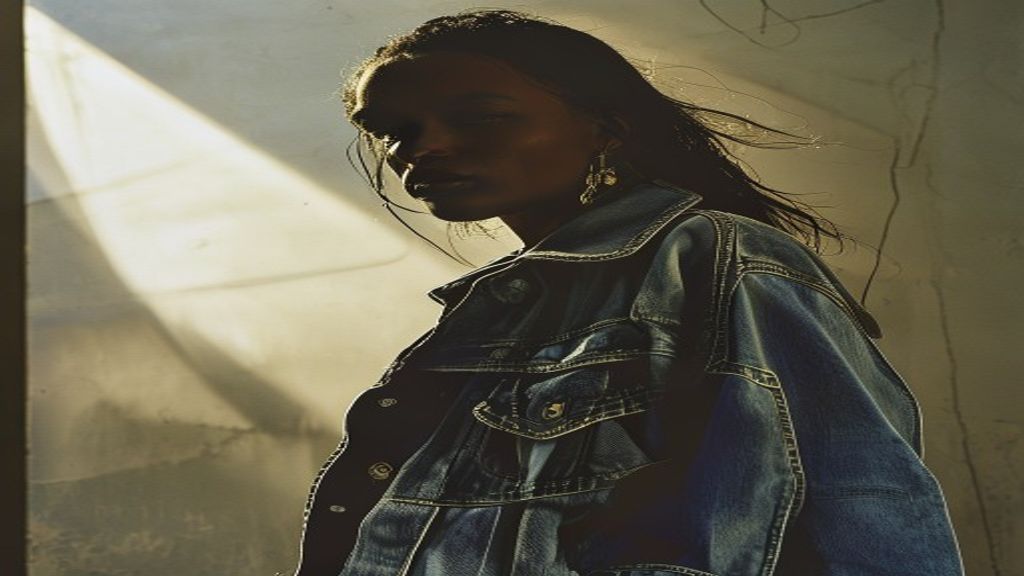
Plate · Beyond Basics: How Mills Are Reinventing Denim for F/W 2027–2028
In the evolving tapestry of high fashion, denim, once the rugged uniform of the working class, has ascended to an indispensable luxury staple. Yet, its journey has often been fraught with environmental compromise. As we cast our gaze towards F/W 2027–2028, the narrative around denim is shifting dramatically. The world's most innovative mills are not merely refining; they are radically reinventing denim, infusing it with unparalleled sustainability, sophisticated aesthetics, and advanced performance. This isn't just about new washes; it's about a fundamental paradigm shift, a commitment to a future where luxury and ecological responsibility are inextricably linked.
The New Alchemy of Denim: A Sustainable Revolution
The contemporary fashion landscape demands more than just beauty; it insists on provenance, purpose, and a minimized planetary footprint. Denim, historically a resource-intensive fabric, is at the forefront of this transformation. Leading textile mills, recognizing their pivotal role, are investing heavily in research and development to craft denim that is not only exquisite but also inherently sustainable. This revolution is unfolding across every stage of production, from fiber sourcing to finishing, creating a new lexicon for luxury denim that prioritizes regeneration, conservation, and ethical innovation.
Regenerative Fibers: From Field to Fabric
The journey of a truly sustainable denim begins at its very source: the fiber. For F/W 2027–2028, mills are championing a diverse array of regenerative and recycled materials, moving far beyond conventional cotton to embrace a more circular economy. This commitment ensures that each thread contributes to ecological restoration rather than depletion.
- Organic & Regenerative Cotton: Cultivated without harmful pesticides or synthetic fertilizers, often employing practices that enhance soil health, biodiversity, and carbon sequestration.
- Recycled Content: A significant push towards integrating post-consumer denim waste and pre-consumer textile scraps, dramatically reducing landfill burden and demand for virgin resources.
- Hemp & Ramie Blends: These natural fibers require significantly less water and pesticides than cotton, offering exceptional durability and a unique, tactile richness.
- Lyocell (TENCEL™) & REFIBRA™: Wood-based cellulosic fibers known for their closed-loop production processes, minimal water and chemical use, and luxurious drape. REFIBRA™ specifically incorporates cotton scraps into its wood pulp.
- Innovative Cellulosics: Mills are exploring novel fibers derived from agricultural waste or seaweed, pushing the boundaries of what is possible in sustainable textile innovation.
Water-Wise Wonders: Conserving Our Most Precious Resource
Water scarcity is one of the most pressing global challenges, and denim production has historically been a major consumer. For F/W 2027–2028, mills are deploying ingenious technologies and processes to drastically reduce water consumption, transforming what was once a thirsty industry into a paragon of efficiency. These innovations are not just about saving water; they're about redefining the very craft of denim creation.
The future of denim is woven with less water, more ingenuity.
Advanced techniques such as ozone washing, laser finishing, and nebulization are becoming standard, replacing traditional, water-intensive wet processes. Closed-loop systems are capturing and recycling water, achieving near-zero discharge in many facilities. Furthermore, the development of dry processes for distressing and softening denim significantly curtails water usage, delivering authentic, vintage-inspired aesthetics with a modern, eco-conscious sensibility. This commitment to water stewardship ensures that the beauty of denim no longer comes at the expense of our planet's most vital resource.
Dyeing Beyond Indigo: Chromatic Consciousness
Indigo, the iconic hue of denim, is also undergoing a sustainable revolution. Mills are pioneering innovative dyeing techniques that reduce chemical use, energy consumption, and effluent discharge, offering a spectrum of colors achieved with environmental integrity. The focus for F/W 2027–2028 is on achieving rich, lasting colors through cleaner, more responsible methods.
- Natural Dyes: Exploring plant-based pigments from sources like indigofera, madder, and pomegranate, offering subtle, earthy tones and a reduced chemical footprint.
- Pre-Reduced Indigo: Using indigo in a pre-reduced liquid form, which eliminates the need for harsh reducing agents and significantly reduces water and chemical consumption during the dyeing process.
- Foam Dyeing: A revolutionary technique that applies dye using foam, drastically reducing water and chemical use compared to traditional bath dyeing.
- Dyeing with Chitosan: Utilizing a natural polymer derived from crustacean shells, this method allows for excellent dye uptake with fewer chemicals and less water.
- Bio-Based Pigments: Developing dyes from microbial fermentation or agricultural byproducts, offering vibrant colors with a fully biodegradable profile.
Texture, Technology, and Timelessness: The F/W 2027–2028 Aesthetic
Beyond their sustainable credentials, the denim innovations for F/W 2027–2028 are profoundly influencing the fabric's aesthetic and tactile qualities. Mills are masterfully blending cutting-edge technology with artisanal craftsmanship to produce denim that is not only eco-conscious but also exquisitely luxurious, offering unparalleled comfort, drape, and visual appeal. This new generation of denim elevates the everyday into an experience of refined indulgence.
The Elevated Hand: Tactile Innovations
The feel of denim is paramount, and for F/W 2027–2028, mills are focusing on creating fabrics with an exceptionally luxurious hand. This involves intricate weaving techniques, sophisticated fiber blends, and advanced finishing processes that transform the raw material into something truly special. Consumers can expect a range of textures that redefine comfort and elegance.
- Silken Softness: Blends incorporating TENCEL™, modal, or even silk offer an incredibly soft, fluid drape, perfect for elevated denim silhouettes.
- Brushed & Napped Finishes: Creating a peach-skin or velvet-like surface for a rich, warm hand-feel, ideal for cooler seasons.
- Performance Enhancements: Integrated stretch for superior comfort and shape retention, thermal regulation properties, and moisture-wicking capabilities enhance functionality without compromising aesthetics.
- Artisanal Weaves: Exploring unique twills, sateens, and broken twills that offer visual depth, subtle textures, and enhanced durability.
Intelligent Finishes: Longevity and Versatility
The final touches applied to denim are crucial for its longevity, performance, and aesthetic appeal. For F/W 2027–2028, mills are developing intelligent finishes that extend the life of garments, reduce the need for frequent washing, and enhance the wearer's experience, all while adhering to stringent environmental standards.
Longevity isn't just a trend; it's the ultimate luxury.
Eco-friendly water-repellent coatings, anti-microbial treatments, and specialized resins are being applied to create denim that resists stains, odors, and creases. These innovations not only make denim more practical and versatile but also align with the sustainable principle of reducing consumption and extending garment utility. The result is denim that maintains its pristine appearance and luxurious feel for longer, embodying a conscious approach to sophisticated dressing.
The Mill's Mandate: Transparency and Traceability
In the era of conscious consumerism, transparency is no longer a niche request but a fundamental expectation. Mills are responding by implementing robust traceability systems, often leveraging blockchain technology, to provide unparalleled insight into their supply chains. Certifications such as GOTS (Global Organic Textile Standard), Oeko-Tex, BCI (Better Cotton Initiative), and Cradle to Cradle are becoming benchmarks, assuring brands and consumers of the ethical and environmental integrity of the denim they choose. This commitment fosters trust and empowers consumers to make informed decisions, reinforcing the premium value of sustainably produced denim.
Concluding Insights
The journey of denim from utilitarian workwear to a beacon of sustainable luxury is a testament to the relentless innovation of textile mills. For F/W 2027–2028, these industry pioneers are not just creating fabric; they are crafting a future where denim is synonymous with environmental stewardship, technological brilliance, and unparalleled aesthetic refinement. From regenerative fibers and water-saving processes to intelligent finishes and transparent supply chains, every aspect of denim production is being reimagined.
This evolution positions denim not merely as a trend, but as a timeless, luxurious staple that resonates with the values of the discerning consumer. It is a powerful statement that high fashion can, and must, be deeply responsible. As we embrace this new era, the denim mills are proving that true luxury lies in conscious creation, offering a wardrobe essential that is as kind to the planet as it is exquisite to wear. The future of denim is here, and it is beautifully, profoundly sustainable.