The Phoenix Rises: Audi Tradition Unveils the Recreated 1935 Auto Union Type C 'Lucca' – A Testament to Unyielding Heritage and Engineering Prowess
Audi Tradition meticulously resurrects the legendary 1935 Auto Union Type C 'Lucca' Silver Arrow, a breathtaking fusion of historical detective work, unparalleled craftsmanship, and the relentless pursuit of automotive perfection. A sartorial marvel of speed.
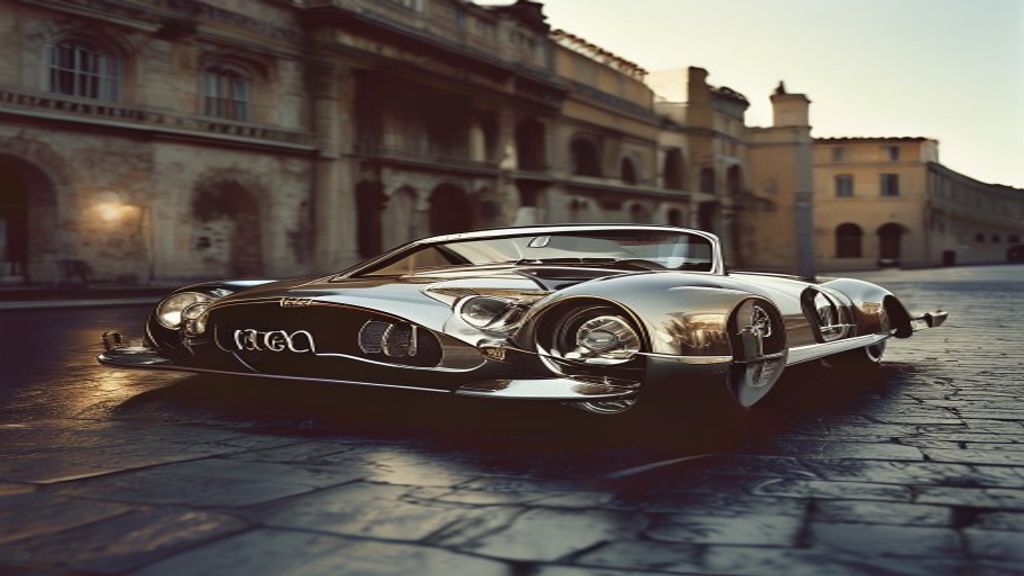
Plate · The Phoenix Rises: Audi Tradition Unveils the Recreated 1935 Auto Union Type C 'Lucca' – A Testament to Unyielding Heritage and Engineering Prowess
A Legacy Forged in Silver and Speed
In the rarefied air of automotive haute couture, where performance is paramount and design is a declaration, few emblems command the reverence of the ‘Silver Arrows’. These magnificent machines, born from the crucible of pre-war Grand Prix racing, transcended mere engineering to become potent symbols of national pride, technological audacity, and an almost brutalist elegance. Among them, the Auto Union Type C, with its audacious rear-mounted engine and streamlined form, stood as a beacon of innovation, a testament to a golden age of motorsport where limits were not just pushed but shattered. It is within this hallowed context that Audi Tradition, the guardian of a storied legacy, has undertaken a project of monumental significance: the painstaking recreation of the 1935 Auto Union Type C 'Lucca'.
The Genesis of an Icon: Auto Union's Dominance
The 1930s witnessed a fierce rivalry between Mercedes-Benz and Auto Union, their respective ‘Silver Arrows’ dominating the European racing circuits. Auto Union, with its radical Ferdinand Porsche-designed Type C, was a formidable contender. These cars were not just fast; they were visually arresting, their bare aluminum bodies gleaming under the sun, a stark contrast to the painted machines of their competitors. This ‘silver’ aesthetic, initially a weight-saving measure, quickly became an iconic design language, synonymous with speed, power, and an almost futuristic vision. Each race was a ballet of precision and peril, a spectacle that captivated millions and cemented these vehicles as more than just racing cars – they were cultural artifacts, engineering marvels, and fashion statements of their era.
The Enigma of the 'Lucca'
The original Auto Union Type C chassis number 17, often referred to as the 'Lucca' car, holds a unique place in this pantheon. Driven by the legendary Bernd Rosemeyer, it was a champion, a symbol of unparalleled engineering prowess. However, like many of its brethren, the 'Lucca' met a tragic end, disappearing into the mists of history after World War II, presumed lost or destroyed. For decades, its existence was relegated to photographs and whispered legends, a phantom limb of automotive heritage. The very scarcity and mystery surrounding these lost Silver Arrows only amplified their allure, transforming them into the holy grail for discerning collectors and historians alike. The idea of its resurrection, therefore, is not merely a technical exercise but an act of profound historical and cultural reclamation.
“More than mere machines, these were sculptural declarations of intent, sartorial masterpieces cloaked in aerodynamic silver.”
The Art of Resurrection: Audi Tradition's Meticulous Endeavor
The journey to recreate the 'Lucca' is a saga of dedication, a testament to Audi Tradition's unwavering commitment to its heritage. This was not a simple replication but a deep dive into historical archives, a forensic investigation into a lost era of engineering and craftsmanship. The project demanded an almost obsessive attention to detail, mirroring the meticulousness found in the workshops of a bespoke tailor or a master horologer.
A Curated Historical Detective Story
The first challenge was the scarcity of original documentation. With the original car long gone, Audi Tradition embarked on a comprehensive research mission:
- Archival Deep Dive: Sifting through thousands of historical photographs, blueprints, and contemporary race reports from Audi's extensive archives.
- Surviving Fragments: Studying the few surviving Auto Union components and engines housed in museums and private collections worldwide to understand original construction techniques and materials.
- Expert Collaboration: Engaging with historians, engineers, and master craftsmen who possess an intimate knowledge of pre-war automotive technology.
- Period Techniques: Relearning and re-employing manufacturing processes that largely disappeared with the advent of mass production, embracing the artisanal spirit of the 1930s.
This phase was less about building a car and more about reconstructing a lost narrative, piecing together the fragments of a glorious past with scholarly precision.
Crafting Authenticity: A Symphony of Skill and Precision
The physical recreation of the 'Lucca' is where the project truly embodies the spirit of bespoke luxury and unparalleled craftsmanship. Every single component, from the chassis to the smallest rivet, had to be either painstakingly reproduced or sourced with absolute historical accuracy. This required a blend of traditional handcraft and modern measurement techniques.
- Hand-Beaten Aluminum: The iconic bodywork, a seamless aerodynamic silhouette, was meticulously hand-formed from aluminum sheets by skilled artisans, just as it would have been in 1935. This process imbues the car with an organic quality, a subtle undulation that machine-stamped panels cannot replicate.
- Engine Reconstruction: The heart of the beast – the monstrous 16-cylinder engine – was a particular challenge. Recreating its complex internal mechanisms, sourcing period-correct materials, and ensuring it functioned as powerfully and reliably as the original demanded an extraordinary level of engineering prowess and historical accuracy.
- Bespoke Components: Many parts, from the dashboard instruments to the steering wheel, were custom-made by specialists, often using original tools and methods. This wasn't merely about functionality; it was about replicating the tactile experience, the very 'feel' of a 1935 Grand Prix car.
“Every rivet, every curve, every meticulously polished surface speaks volumes of a dedication rarely seen beyond the echelons of haute couture.”
The Engine: A Heart Reborn
The colossal 16-cylinder engine of the Auto Union Type C was, for its time, a marvel of engineering. Its unique supercharged design produced immense power, propelling the car to speeds that were terrifyingly fast for the era. The recreation of this powerhouse demanded an almost archaeological approach. Original blueprints, where they existed, were consulted, but often, reverse engineering from surviving engine blocks or fragments was necessary. Machinists worked with a blend of modern CAD software and traditional lathes, ensuring that every gear, piston, and valve mirrored the original's specification and material composition. The roar of this engine, once thought silenced forever, is now a living testament to a bygone era of mechanical genius, a visceral connection to the legends who tamed these magnificent beasts.
Design, Aesthetics, and the Fashion of Speed
The Auto Union Type C 'Lucca' is more than just a feat of engineering; it is a design icon, a powerful statement of form following function taken to its most elegant extreme. Its aesthetic transcends the purely automotive, finding resonance within the broader discourse of industrial design and even fashion.
The Purity of Form: An Aerodynamic Silhouette
The car's streamlined body, with its enclosed wheels and distinctive teardrop shape, was a radical departure from the more conventional designs of its time. It was an exercise in aerodynamic purity, a sculptural representation of speed itself. The uninterrupted flow of its lines, the subtle curves that guide the eye from nose to tail, speak to a timeless aesthetic that continues to inspire. It embodies a principle often championed in high fashion: that true elegance lies in simplicity, in the perfect harmony of form and purpose. The 'Lucca' is a kinetic sculpture, a design masterpiece that commands attention through its sheer presence and historical significance.
A Timeless Aesthetic: Where Engineering Meets Elegance
The unpainted aluminum body, a signature of the Silver Arrows, lends the 'Lucca' an industrial chic, a raw beauty that accentuates its mechanical precision. This aesthetic choice is not unlike a minimalist architectural design or a meticulously tailored garment where the quality of the material and the perfection of the cut are allowed to speak for themselves. The 'Lucca' is a testament to the idea that true luxury lies not in ostentation, but in an unparalleled level of craftsmanship, an iconic design language, and an unimpeachable heritage. It is a piece of living history, a tangible link to a pivotal moment in both automotive and design evolution.
“The Lucca is not just a car; it is a moving sculpture, a piece of kinetic art that transcends its original purpose, much like a vintage couture gown displayed in a museum.”
The Enduring Resonance: Beyond the Racetrack
The recreation of the 'Lucca' by Audi Tradition is more than a mere historical exercise; it is a strategic declaration of brand identity, a reinforcement of Audi's deep roots in innovation, performance, and exquisite engineering. It speaks to a discerning audience that values authenticity, legacy, and the pursuit of perfection.
A Beacon of Heritage and Innovation
For Audi, the 'Lucca' serves as a powerful reminder of its pioneering spirit. It demonstrates that the brand's commitment to 'Vorsprung durch Technik' – Progress through Technology – is not a recent slogan but a foundational principle stretching back to the earliest days of motoring. This project bridges the past and the present, showcasing how historical knowledge and modern expertise can converge to create something truly extraordinary. It inspires future generations of engineers and designers, reminding them of the power of audacious vision.
The Discerning Collector's Dream
While this particular recreation is a museum piece, its existence enriches the entire ecosystem of classic car appreciation. It sets a new benchmark for historical accuracy and the art of automotive restoration. For collectors of luxury vehicles, it underscores the value of provenance, craftsmanship, and the unique allure of limited-edition, historically significant machines. The 'Lucca' becomes a focal point for discussion, exhibition, and admiration, drawing enthusiasts and connoisseurs from around the globe.
- Brand Storytelling: A powerful narrative tool for Audi, connecting its modern luxury vehicles to a rich, high-performance heritage.
- Educational Value: Provides invaluable insights into pre-war automotive engineering and design.
- Cultural Preservation: Ensures that a critical piece of automotive and industrial history is not merely documented but made tangible once more.
Concluding Insights: The Future of the Past
In an age increasingly dominated by digital experiences and ephemeral trends, the tangible, meticulously crafted object holds an ever-greater allure. The recreated 1935 Auto Union Type C 'Lucca' stands as a magnificent counterpoint to the transient, a testament to the enduring power of human ingenuity, artistic vision, and unyielding dedication. It is a masterpiece that transcends its original purpose, becoming an icon of design, a symbol of perseverance, and a profound connection to a golden era.
Audi Tradition's monumental achievement with the 'Lucca' is a powerful statement: that true luxury is steeped in heritage, defined by unparalleled craftsmanship, and celebrated through timeless design. It reminds us that some stories are too magnificent to remain in the annals of history; they demand to be brought back to life, to be seen, heard, and felt once more. The Silver Arrow rides again, a gleaming beacon from the past, illuminating the path for a future where heritage and innovation continue to intertwine in spectacular fashion. It is not just a car; it is a sartorial triumph, an engineering ballet, and a curated piece of living history, ready to inspire for generations to come.