Roopal Patel's Departure from Saks Global: Charting a New Course for Conscious Luxury
Fashion luminary Roopal Patel's exit from Saks Global marks a pivotal moment in luxury retail. We explore her indelible impact and the shifting tides towards sustainable fashion curation.
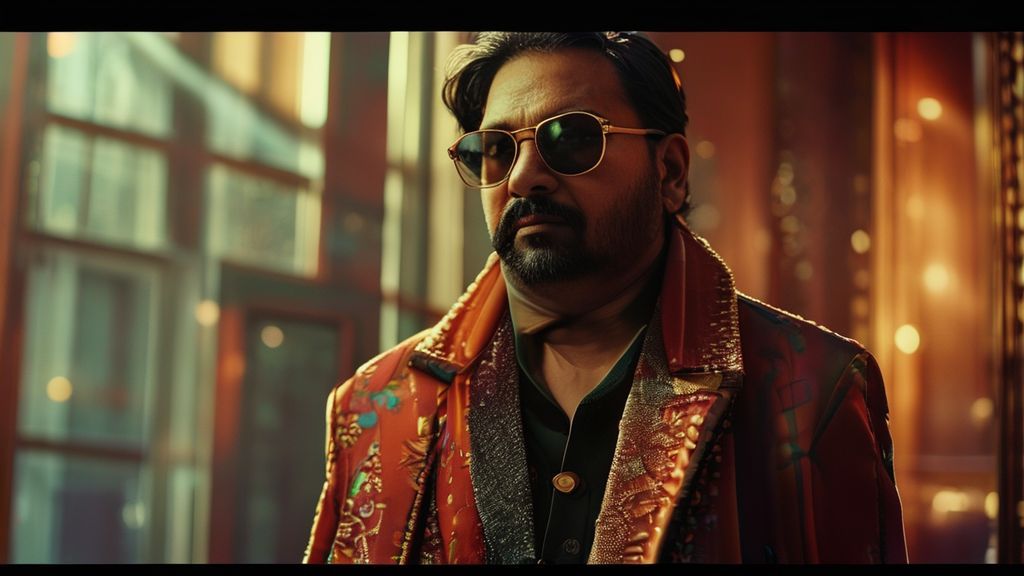
Plate · Roopal Patel's Departure from Saks Global: Charting a New Course for Conscious Luxury
The luxury retail landscape is perpetually in flux, a dynamic ecosystem where visionaries shape trends and define the very essence of style. It is within this context that the recent announcement of Roopal Patel's departure from her esteemed role as Fashion Director at Saks Global resonates with profound significance. A figure synonymous with discerning taste and an unparalleled eye for emerging talent, Patel's exit signals more than just a change in leadership; it underscores a broader, industry-wide recalibration towards a more thoughtful, sustainable future for premium fashion.
For years, Patel has been a pivotal force at Saks, instrumental in shaping its curatorial identity and influencing the wardrobes of a global, sophisticated clientele. Her influence extended far beyond the racks, touching on everything from trend forecasting to fostering vital designer relationships. As the fashion world grapples with the urgent imperative of sustainability and ethical responsibility, a transition of this magnitude invites a deeper reflection on the evolving role of the fashion expert and the very definition of luxury in the 21st century.
A Visionary's Imprint on Luxury Retail
Roopal Patel's tenure at Saks Global was marked by an unwavering commitment to excellence and an intuitive understanding of the luxury consumer. Her curatorial acumen helped define the retailer's aesthetic, blending established haute couture houses with avant-garde designers and emerging brands. She possessed a rare ability to spot not just passing fads, but enduring quality and innovative design, ensuring that Saks' offerings remained fresh, relevant, and utterly desirable.
Her strategic vision was evident in the carefully orchestrated buys that dictated the seasonal narratives for Saks. From ready-to-wear to luxury accessories, Patel's influence ensured a cohesive and aspirational collection that spoke to a discerning clientele seeking pieces of lasting value. She championed craftsmanship, celebrated artisanal heritage, and understood that true luxury transcends mere price tags; it resides in provenance, quality, and timeless appeal. This inherent focus on longevity, even before 'sustainability' became a pervasive buzzword, laid a subtle groundwork for more conscious consumption within the luxury sphere.
Patel was also known for her proactive engagement with the designer community. She was a trusted advisor, a mentor, and a champion, fostering relationships that brought exclusive collections and unique experiences to Saks' customers. Her presence at international fashion weeks was not merely observational; it was an active pursuit of the next big idea, the next enduring trend, always with an eye towards how these innovations could enrich the Saks brand and serve its sophisticated audience. Her departure leaves a significant void, prompting questions about how Saks will navigate this new chapter and maintain its competitive edge in a rapidly evolving luxury retail landscape.
The Imperative of Conscious Curation
The fashion industry is undergoing a profound paradigm shift. What was once a whisper about environmental impact and ethical sourcing has become a resounding chorus, demanding transparency, accountability, and genuine commitment to sustainable practices. Luxury consumers, increasingly informed and socially conscious, are no longer content with opulence alone; they seek products that align with their values, crafted with respect for both people and planet.
Beyond Hype: Embracing Longevity & Craftsmanship
This shift necessitates a re-evaluation of how luxury fashion is bought, presented, and consumed. The focus is moving away from ephemeral trends and towards timeless design, durable materials, and circular economy principles. Retailers like Saks are under increasing pressure to demonstrate their commitment to responsible sourcing, ethical production, and reducing their environmental footprint. This isn't just about marketing; it's about fundamentally rethinking supply chains, embracing innovative sustainable materials, and supporting artisanal communities that uphold traditional, often eco-friendly, craftsmanship.
The true luxury of tomorrow lies not just in exclusivity, but in enduring value and ethical provenance.
The role of a fashion director in this new era is therefore dramatically expanded. It's no longer solely about aesthetic appeal; it's about integrating sustainability criteria into every purchasing decision, championing brands with strong ethical credentials, and educating consumers about the true cost and value of their purchases. This holistic approach to curation is what defines the future of premium fashion retail.
Saks Global at a Crossroads: Defining the Next Chapter
Roopal Patel's exit places Saks Global at a critical juncture. The retailer must now define its strategy for the post-Patel era, particularly as the industry accelerates its pivot towards sustainability. The challenge will be to find a successor who not only possesses an impeccable eye for luxury but also a deep understanding of the complexities of responsible fashion and a clear vision for integrating these principles into Saks' core identity.
This transition presents both challenges and opportunities. On one hand, there's the immediate task of maintaining the high standards of curation and designer relationships that Patel cultivated. On the other, it's an opportunity for Saks to boldly reaffirm its commitment to conscious luxury, perhaps even becoming a vanguard in the movement. This could involve investing more heavily in sustainable collections, collaborating with ethical fashion innovators, and enhancing supply chain transparency to meet the evolving demands of its discerning clientele.
The strategic direction Saks takes in the coming months will be closely watched by the entire industry. It will signal how established luxury retailers intend to adapt to the new realities of consumer expectations and environmental responsibility, setting a precedent for others to follow.
Roopal Patel's Next Frontier: A Champion for Ethical Innovation?
For Roopal Patel herself, this departure undoubtedly marks the beginning of a new and exciting chapter. Given her vast experience, unparalleled network, and profound understanding of the luxury market, her next move will be keenly anticipated. It is plausible, even probable, that she will leverage her expertise to further champion sustainable and ethical practices within the fashion ecosystem.
The Rise of the Purpose-Driven Fashion Architect
The industry is increasingly seeking leaders who can blend commercial acumen with an unwavering commitment to planetary and social well-being. Individuals like Patel, with their deep institutional knowledge and influential voice, are uniquely positioned to drive meaningful change, whether through consulting, advisory roles, or even launching new ventures focused on conscious luxury. The attributes defining these future fashion architects are clear:
- Deep understanding of supply chain ethics and transparency.
- Ability to integrate circular economy principles into design and retail.
- Commitment to preserving artisanal craftsmanship and cultural heritage.
- Foresight in sustainable material innovation and responsible production.
- Advocacy for social equity and fair labor practices within the industry.
Fashion's true leaders are now those who can blend commercial acumen with an unwavering commitment to planetary and social well-being.
Patel's future endeavors could well serve as a blueprint for how senior fashion executives can transition from traditional retail roles to become influential advocates for a more responsible, innovative, and ultimately more resilient fashion future. Her experience in balancing desirability with commercial viability will be invaluable in navigating the complexities of integrating true sustainability into the luxury market.
Concluding Insights
Roopal Patel's departure from Saks Global is more than just a personnel change; it is a resonant bellwether for the luxury fashion industry. It signifies a moment of introspection, a catalyst for redefinition, and a testament to the inescapable pull of sustainability and conscious consumerism. As Saks charts its course forward, and as Roopal Patel embarks on her next journey, the industry as a whole is reminded that the future of luxury is not merely about what we wear, but how it's made, who makes it, and the lasting legacy it leaves behind. This transition underscores a powerful evolution: the true measure of a fashion expert's influence now extends beyond aesthetics to encompass a profound responsibility towards our planet and its people. The era of conscious luxury is truly upon us, demanding visionary leadership at every turn.