The Incendiary Canvas: Rizla x Palace S/S26 and the Archaeology of British Dissent
Rizla and Palace Skateboards forge a Summer 2026 capsule, unearthing two centuries of British rebellion. A sartorial archaeology of dissent, reimagined for the modern zeitgeist.
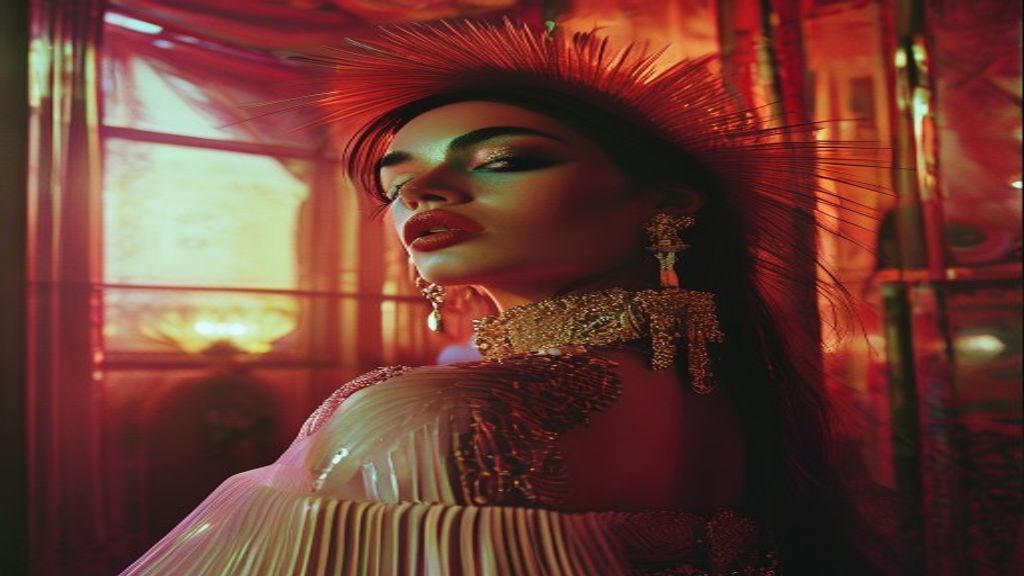
Plate · The Incendiary Canvas: Rizla x Palace S/S26 and the Archaeology of British Dissent
The Unholy Alliance: Rizla, Palace, and the Spirit of Subversion
In the ephemeral theatre of contemporary fashion, where collaborations often flirt with the predictable, a seismic tremor emanates from an unexpected nexus: Rizla and Palace Skateboards. For Summer 2026, these seemingly disparate entities – one, an enduring emblem of utilitarian pleasure and countercultural indulgence; the other, an undisputed titan of luxury streetwear and skate aesthetics – converge to forge a capsule collection that transcends mere apparel. This is not just a partnership; it is a profound sartorial archaeology, meticulously excavating two centuries of British counterculture to present a narrative both incendiary and elegantly subversive. A true avant-garde fashion statement, this collection is poised to redefine the parameters of cultural commentary through textile.
Rizla, a name synonymous with moments of quiet rebellion, shared secrets, and the rhythmic crackle of paper, possesses an understated yet formidable cultural cachet. Its iconic blue packet, a ubiquitous presence in the pockets of artists, musicians, and free spirits across generations, is a silent witness to countless pivotal moments in British youth movements. Palace Skateboards, meanwhile, has meticulously carved its niche, evolving from the gritty streets of London into a global phenomenon, celebrated for its irreverent wit, impeccable design codes, and a fervent dedication to authentic skate culture. The genius of this collaboration lies in its audacious conceptual leap: transforming the ephemeral act of rolling into a tangible, wearable manifesto.
"This is more than clothing; it's a living archive, a wearable whisper of every defiant sigh and revolutionary roar that has echoed through Britain's past."
A Tapestry of Rebellion: Deconstructing the Aesthetic
The Summer 2026 capsule is less a collection and more a meticulously curated exhibition of British dissent. It is a dialogue between epochs, a visual glossary of rebellion, from the nuanced provocations of Georgian dandies to the visceral energy of 20th-century rave culture. The design narrative is rich, complex, and demands a deeper reading than typical graphic-led streetwear. Here, history is not merely referenced; it is recontextualized, re-stitched, and re-presented with a contemporary edge that speaks to Palace's mastery of the modern silhouette and Rizla's authentic street credibility.
The Georgian Anarchist: From Dandies to Disruptors
The genesis of British counterculture often finds its roots in the Georgian era. While not overtly revolutionary, figures like Beau Brummell, the quintessential dandy, defied societal norms through meticulous self-presentation, turning fashion into a weapon of subtle subversion. This collection subtly channels that spirit. Imagine:
- Deconstructed Tailoring: Sharp, almost foppish collars on modern workwear jackets, paired with wide-leg trousers that echo the flowing lines of early 19th-century menswear, yet rendered in durable technical fabrics.
- Hidden Details: Linings of bomber jackets or the inner cuffs of shirts might feature intricate, almost Rococo-esque patterns subtly integrated with Rizla branding, a nod to the hidden opulence of the era.
- Poetic Graphics: Screen-printed graphics on premium organic cotton tees featuring stylized calligraphy or fragmented excerpts from Romantic poets, juxtaposed with Palace's signature Tri-Ferg logo, creating a tension between high culture and street vernacular.
This early influence is about an attitude of refined defiance, a quiet rejection of convention through aesthetic precision.
Victorian Vices and Edwardian Elegance: The Underbelly of Empire
As the British Empire reached its zenith, so too did its undercurrents of dissent. The Aesthetic Movement, the rise of bohemianism, and the veiled decadence of figures like Oscar Wilde offer a fertile ground for inspiration. This period's influence manifests in a darker, more introspective aspect of the collection.
- Dark Florals & Brocades: Not overtly feminine, but rather a subtle integration of jacquard patterns or embroidered motifs on heavyweight hoodies or structured denim, evoking the rich, often melancholic beauty of Victorian interiors and textiles.
- Velvet Accents: Collars, pocket flaps, or even entire tracksuits crafted from luxurious, deep-hued velvet, recalling the theatricality and sensual indulgence of the era.
- Industrial Edge: Juxtaposed with the elegance, utilitarian workwear elements (think railway uniforms or factory attire) are elevated with premium finishes, reflecting the industrial backbone of the period and its inherent class struggles.
Post-War Provocateurs: Punks, Ravers, and the Digital Dawn
The 20th century saw an explosion of youth subcultures, each carving its identity through music, style, and rebellion. This is where Palace's inherent lineage truly shines, and where Rizla's presence becomes most overtly symbolic. From the Teddy Boys' sartorial defiance to the Mods' sharp modernism, the Punks' anarchic spirit, and the Acid House ravers' utopian escapism, the collection distills these potent energies.
- Punk Deconstruction: Distressed denim, safety pin detailing (perhaps subtly incorporated into stitching or hardware), and graphic tees with bold, often provocative slogans that echo the DIY ethos of punk.
- Rave Eclecticism: Vibrant neon accents, reflective materials on technical outerwear, and oversized silhouettes that speak to the freedom and fluidity of rave culture. Imagine a waterproof anorak with a hidden Rizla blue lining that glows under UV light.
- Grime & Garage Homage: Tracksuits in unexpected colourways, utility vests with multiple pockets for the modern urban explorer, and graphic motifs that blend street art with iconic Rizla packaging, celebrating contemporary British urban fashion.
"The collection is a masterclass in cultural fusion, seamlessly weaving historical threads into a thoroughly modern, luxury streetwear narrative. It's a testament to the enduring power of British identity in dissent."
The Collection Unpacked: Key Pieces and Philosophical Threads
The Summer 2026 capsule is not merely a retrospective; it’s a forward-looking interpretation of rebellion. Key pieces are anticipated to include:
- The "Anarchist's Overcoat": A meticulously tailored overcoat in a heavy wool blend, featuring a subtly subversive embroidered motif on the lapel or a hidden Rizla graphic on the inner lining. Its silhouette is classic, its message revolutionary.
- The "Rave-Ready Tracksuit": Crafted from a bespoke technical nylon, featuring bold colour blocking inspired by Rizla's iconic blue and green packets, with reflective piping and a relaxed, oversized fit designed for movement and expression.
- Graphic T-Shirts & Hoodies: The canvas for the most overt cultural statements, blending archival Rizla imagery with Palace's Tri-Ferg, interspersed with historical references – a Georgian etching, a Victorian botanical illustration, or a faded punk flyer – all reinterpreted with a contemporary graphic design sensibility.
- Accessories of Dissent: From bespoke baseball caps featuring a fusion of the two logos, to cross-body bags reminiscent of vintage tobacco pouches but crafted from premium leather, and perhaps even a limited-edition sneaker collaboration that subtly incorporates the Rizla paper texture into its material composition.
The philosophical thread running through the collection is one of authenticity and re-contextualization. It’s about taking symbols of everyday life and subculture and elevating them to the realm of high fashion, without losing their inherent grit or narrative power. This is luxury streetwear at its most intellectually engaging.
The Semiotics of Smoke: Branding and Iconography
The genius of the Rizla x Palace collaboration lies in its nuanced approach to branding. It avoids overt, clumsy logo-mania in favour of a more sophisticated semiotic play. Rizla’s iconic blue and green, its distinctive typography, and even the subtle texture of its rolling papers are reinterpreted. The Tri-Ferg, Palace’s ubiquitous emblem, is not merely superimposed but integrated, sometimes subtly, sometimes boldly, into the historical and cultural tapestry. Imagine a distressed denim jacket where the fading reveals a ghosted pattern of Rizla packets, or a finely embroidered Tri-Ferg crafted from threads in Rizla's signature hues. This subtle interplay creates a powerful visual language that speaks volumes to those in the know, solidifying its status as a coveted capsule collection.
Concluding Insights: The Future is Forged in the Past
The Rizla and Palace Skateboards Summer 2026 capsule is more than a fleeting trend; it is a profound cultural statement. It serves as a compelling reminder that the roots of contemporary style are often deeply embedded in historical acts of defiance. By meticulously tracing two centuries of British counterculture, this collection offers a fresh lens through which to view identity, rebellion, and the ever-evolving relationship between fashion and society.
It’s a bold declaration that true innovation often lies in the audacious reimagining of the familiar. This collaboration will undoubtedly be remembered not just for its aesthetic brilliance, but for its intellectual depth, cementing its place as a pivotal moment in the ongoing narrative of luxury streetwear and avant-garde fashion. It is an invitation to wear history, to embody dissent, and to participate in a legacy that continues to ignite the spirit of independent thought, one sartorial statement at a time. The future, it seems, is rolled in the past, and it burns brightly.