Unyielding Foundations: How Premium Retail Property Owners Defy Global Turbulence
Despite global economic headwinds and political flux, premium retail property owners exhibit remarkable stability, driven by strategic innovation and elevated consumer experiences.
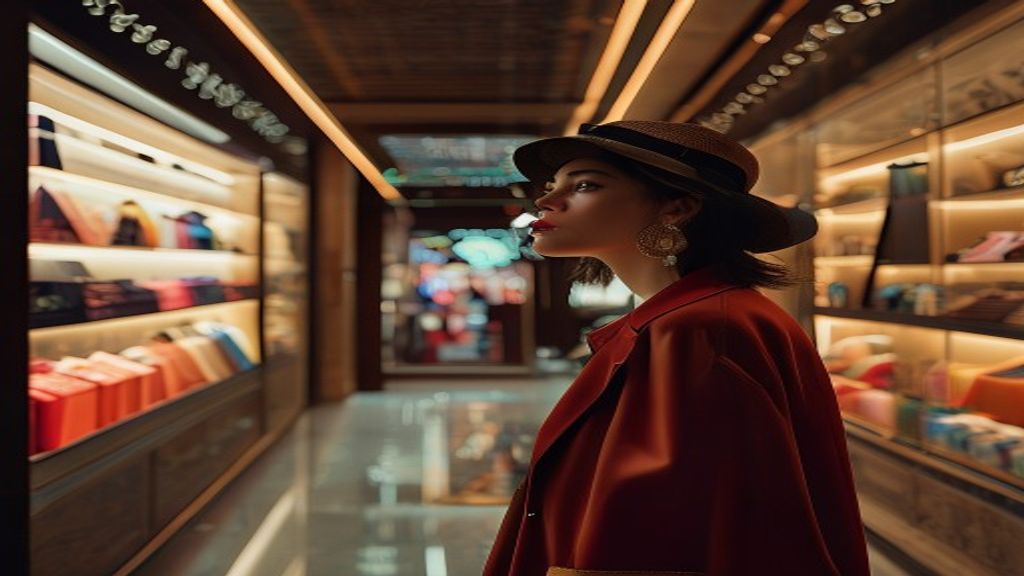
Plate · Unyielding Foundations: How Premium Retail Property Owners Defy Global Turbulence
In an era characterized by relentless global economic volatility and geopolitical friction, conventional wisdom might predict a significant retraction in the retail property sector. Yet, for a select cohort of premium retail asset owners, the ground beneath their meticulously curated portfolios remains surprisingly firm. This unexpected resilience is not a matter of serendipity but rather the outcome of advanced strategic engineering, a profound understanding of evolving consumer psychographics, and an agile adaptation to the demands of a high-performance retail landscape. Much like the techwear garments designed to perform flawlessly under extreme conditions, these properties have been optimized for durability, functionality, and an elevated aesthetic that transcends market fluctuations.
The Engineered Resilience of Physical Spaces
The contemporary retail environment has transcended its traditional role as a mere point of sale. Today, physical stores are meticulously designed ecosystems, offering an immersive brand experience that digital channels, while powerful, cannot fully replicate. This shift has fortified the value proposition of prime retail locations, transforming them into indispensable touchpoints within the broader omnichannel strategy.
Hyper-Curated Experiences: Beyond Transactional Retail
The most successful retail properties are no longer just landlords; they are curators of experience. They foster environments where experiential shopping takes precedence, transforming a simple purchase into a memorable event. From bespoke styling sessions in designer boutiques to interactive product demonstrations for performance wear, these spaces are engineered to engage. Flagship stores become brand cathedrals, offering immersive environments that blend retail with art, technology, and gastronomy. This strategy cultivates a deeper connection with the consumer, encouraging loyalty and driving repeat visits, even in a cautious economic climate.
"In an era defined by economic volatility, the physical retail space has evolved from a mere point of transaction into a meticulously engineered destination, an immersive ecosystem designed for sustained engagement, much like a high-performance garment built for endurance."
The emphasis is on curated collections and personalized service, transforming shopping into a discovery process. This elevates the perceived value of the physical space, making it an essential component for brands aiming to solidify their market presence and foster strong brand synergy.
The Unwavering Gravitas of Luxury & Performance Sectors
A significant bedrock of this stability lies within the luxury retail and high-performance sectors. Consumers investing in haute couture, premium accessories, or advanced athleisure are often less sensitive to economic downturns. These segments cater to a demographic that views purchases as investments – in quality, craftsmanship, and status. The demand for premium materials, smart textiles, and wearable tech continues unabated, driven by a desire for superior functionality and enduring style. This demographic prioritizes durability and innovation, mirroring the core tenets of techwear fashion.
Furthermore, the perceived scarcity and exclusivity associated with exclusive drops and limited editions create a powerful allure, driving foot traffic to physical locations for coveted items that define cult status. This phenomenon underscores the critical role of physical retail in generating excitement and fostering community around designer brands and emerging streetwear fusion labels.
Strategic Adaptation: Architecting Future-Proof Portfolios
The resilience of retail property owners is also a testament to their proactive and adaptive strategies. They are not merely reacting to market shifts but are actively shaping the future of retail through innovation and integration.
Omnichannel Integration and Digital Symbiosis
The physical store is no longer an island but an integral node in a complex digital ecosystem. Successful property owners understand that digital and physical channels are symbiotic. Stores serve as vital hubs for online order fulfillment (click-and-collect), product discovery (showrooming), and personalized customer service. Advanced analytics, fueled by data-driven insights, inform everything from store layouts to tenant mix, optimizing the consumer journey. This seamless integration ensures that every physical interaction enhances the overall brand experience, driving both online and offline conversions.
The implementation of hyper-personalization through in-store technology and CRM systems transforms generic shopping into a bespoke encounter, reinforcing the value of the physical presence. This strategic fusion of the digital and tangible represents the pinnacle of retail innovation, ensuring properties remain relevant and revenue-generating.
Sustainable Footprints and Ethical Imperatives
In an increasingly conscious global market, sustainability is no longer a niche concern but a fundamental expectation. Retail property owners are responding by investing in eco-conscious design, energy-efficient infrastructure, and supporting tenants committed to sustainable fashion and ethical sourcing. Properties that demonstrate a robust commitment to environmental, social, and governance (ESG) principles attract discerning brands and eco-conscious consumers alike. This commitment enhances asset value and future-proofs portfolios against evolving regulatory landscapes and consumer preferences.
"The future-proof retail asset is not merely a structure, but a dynamic, adaptive system, responsive to both market algorithms and the ethical compass of the global consumer."
The adoption of practices that promote a circular economy within retail spaces, such as recycling programs, repair services, and the promotion of durable goods, further solidifies their appeal. This proactive stance on sustainability is a strategic investment in long-term stability and brand reputation.
Geopolitical Flux: A Catalyst for Strategic Re-evaluation
While global political and economic turmoil presents undeniable challenges, it also acts as a powerful catalyst for strategic re-evaluation and diversification. Property owners are meticulously assessing global market dynamics, refining their portfolios to mitigate risks and capitalize on emergent opportunities.
Diversification and De-risking Asset Portfolios
Smart property owners are diversifying their geographical exposure, reducing over-reliance on single markets susceptible to specific political or economic shocks. Investment in a broader array of locations, from established urban centers to burgeoning suburban hubs, creates a more resilient asset base. This strategic positioning involves a deep dive into local demographics, economic indicators, and consumer spending patterns to identify areas of sustained growth.
Furthermore, the focus is shifting towards properties that can accommodate a flexible tenant mix, including co-working spaces, pop-up concepts, and health and wellness providers, alongside traditional retail. This adaptive design strategy ensures that properties remain relevant and profitable, even as consumer needs and market trends evolve. The emphasis on asset optimization means constantly refining the utility and appeal of each space.
The Enduring Blueprint of Value
For now, and likely for the foreseeable future, premium retail property owners stand on remarkably steady ground. Their stability is not accidental but the result of a deliberate, multi-faceted strategy that embraces innovation, prioritizes consumer experience, and integrates digital fluency with physical presence. They have engineered their assets to be robust, adaptable, and inherently valuable, much like a piece of high-performance techwear designed to withstand the rigors of any environment.
The future trajectory for these owners will undoubtedly involve continued evolution, a relentless pursuit of retail innovation, and an unwavering commitment to creating spaces that are not just transactional but transformational. As the global landscape continues its dynamic flux, the physical retail space, particularly at its premium echelon, will remain a critical, high-performing asset, a testament to its enduring blueprint of value and its capacity for strategic resilience.