From Court to Catwalk: Queen Sirikit's Enduring Influence on Thai Style and Sustainable Fashion
A landmark Paris exhibit illuminates Queen Sirikit's profound impact on Thai fashion, showcasing her visionary blend of tradition, haute couture, and a pioneering commitment to sustainable craftsmanship.
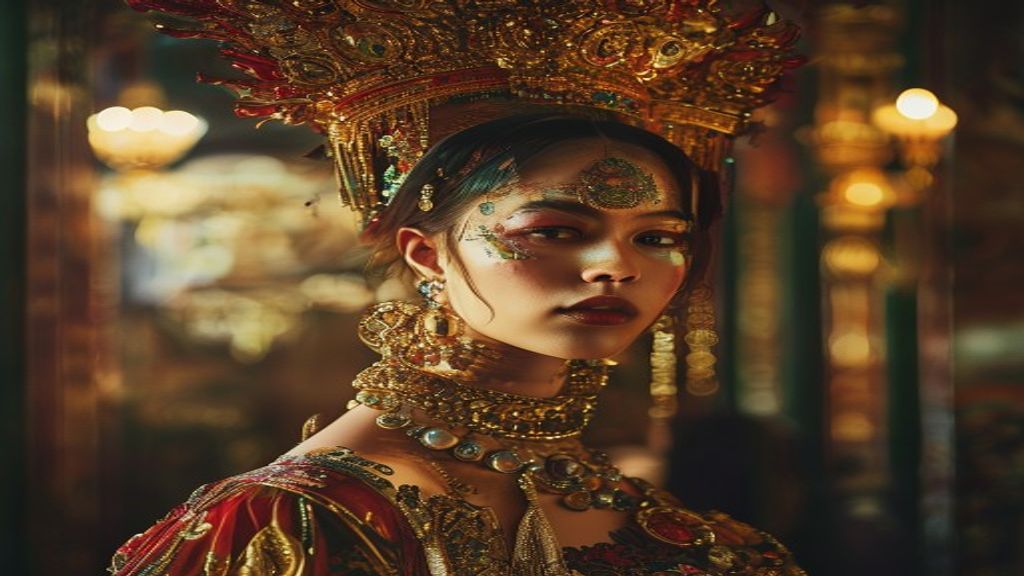
Plate · From Court to Catwalk: Queen Sirikit's Enduring Influence on Thai Style and Sustainable Fashion
A Royal Vision for National Identity and Craftsmanship
The hallowed halls of a premier Parisian cultural institution now host an extraordinary exhibition, a sartorial journey that transcends mere aesthetics to reveal the profound societal and economic impact of Her Majesty Queen Sirikit The Queen Mother of Thailand. This meticulously curated display, "Queen Sirikit: The Art of Thai Dress and the Legacy of Sustainable Fashion," offers an unprecedented look into how one royal figure revolutionized a nation's textile heritage, propelling Thai style from ancient courts to global catwalks with an inherently sustainable ethos. As senior fashion editors dedicated to the confluence of heritage, luxury, and ethical practice, we find Queen Sirikit's story a compelling narrative of vision, empowerment, and enduring elegance.
In an era where fast fashion often overshadows craftsmanship, this exhibit serves as a powerful reminder of the value of slow fashion principles, quality, and cultural preservation. Queen Sirikit's efforts, initiated decades ago, predate much of the contemporary sustainable fashion discourse, yet embody its core tenets: supporting local artisans, promoting natural fibers, ensuring longevity, and celebrating cultural identity through dress.
Revitalizing Ancient Traditions
At the heart of Queen Sirikit's sartorial revolution was her unwavering commitment to revitalizing Thailand's rich textile heritage. Recognizing the dwindling art of traditional weaving and the economic struggles of rural communities, Her Majesty launched the Support Foundation (Foundation for the Promotion of Supplementary Occupations and Related Techniques of Her Majesty Queen Sirikit). This initiative was not just about preserving craft; it was a comprehensive program for artisan empowerment, providing training, resources, and market access to countless weavers, embroiderers, and craftspeople across the nation. Through the SUPPORT Foundation, ancient techniques, particularly the intricate art of Thai silk weaving, were not merely saved from obsolescence but elevated to an art form coveted globally.
Her patronage transformed the lives of rural women, offering them economic independence and a renewed sense of pride in their cultural heritage. The exquisite mudmee silk, with its complex tie-dye patterns, and the shimmering brocade silks became symbols of national pride and sophisticated luxury, all thanks to her visionary leadership. This focus on local production, natural materials, and skilled labor inherently aligned with principles we now champion as sustainable and ethical fashion practices. It was a pioneering model of circular economy thinking, long before the term gained currency.
"Her Majesty didn't just wear clothes; she wove a nation's identity into every thread, creating a legacy of timeless elegance and economic empowerment that resonates deeply with today's sustainable luxury movement."
The Birth of the Thai National Dress
Perhaps Queen Sirikit's most iconic contribution to Thai style was her collaboration with French haute couture designer Pierre Balmain in the 1960s. Tasked with creating a modern Thai national dress suitable for international diplomacy, their partnership resulted in eight distinct styles, each a masterful blend of traditional Thai aesthetics and contemporary elegance. These designs, including the beloved Thai Chakkri, Thai Siwalai, and Thai Ruean Ton, were meticulously crafted to reflect Thailand's rich history while projecting a refined, modern image on the global stage. They incorporated exquisite Thai silk, intricate embellishments, and silhouettes that flattered and empowered.
The Thai national dress styles weren't just garments; they were statements of cultural identity and fashion diplomacy. Each design, from the formal evening wear of the Thai Boromphiman to the casual elegance of the Thai Ruean Ton, showcased the versatility and beauty of Thai textiles and craftsmanship. These dresses became synonymous with Queen Sirikit's impeccable taste and her dedication to promoting Thailand's unique cultural assets. They exemplify a timeless approach to design, where quality and cultural relevance ensure longevity, a stark contrast to the fleeting trends of disposable fashion.
From Court to Catwalk: Global Impact and Contemporary Resonance
Queen Sirikit's influence extended far beyond the royal court. Her carefully curated wardrobe, especially during her numerous state visits, became a powerful tool of cultural exchange and global recognition for Thai fashion. She was, in essence, Thailand's first true fashion ambassador, showcasing the nation's artistic prowess and textile innovation to an international audience.
International Diplomacy Through Dress
During her historic state visits to Europe and the United States in the 1960s, Queen Sirikit captivated the world with her regal bearing and exquisite wardrobe. Dressed in her newly conceptualized Thai national dresses, often crafted from luxurious Thai silk, she presented an image of grace, sophistication, and distinct cultural identity. Her attire was a focal point of media attention, generating immense interest in Thai culture, art, and textiles. This strategic use of fashion diplomacy elevated Thai style onto the international stage, fostering a global appreciation for its unique aesthetic and craftsmanship. She proved that fashion could be a powerful soft power tool, building bridges and promoting understanding between nations.
The impact was immediate and long-lasting. International designers took note of the intricate patterns and vibrant colors of Thai silk, and demand for these exquisite textiles surged. This global spotlight not only boosted Thailand's cultural prestige but also provided significant economic benefits to the very artisans Queen Sirikit sought to empower. Her influence transcended mere trends; she established a permanent place for Thai aesthetics within the broader narrative of global luxury fashion.
A Legacy of Sustainable Innovation
What makes Queen Sirikit's legacy particularly relevant today is its inherent sustainability. Her Majesty's work championed principles that are now at the forefront of the ethical fashion movement:
- Local Sourcing: Prioritizing Thai silk and other indigenous materials.
- Artisan Empowerment: Ensuring fair livelihoods and skill preservation.
- Longevity & Quality: Creating garments designed to last, resisting fast fashion cycles.
- Cultural Preservation: Using fashion as a vehicle to protect and promote heritage.
- Natural Fibers: Emphasizing silk, cotton, and natural dyes.
Her approach demonstrated that luxury and sustainability are not mutually exclusive but deeply intertwined. By investing in the preservation of heritage crafts and empowering skilled artisans, she laid the groundwork for a truly sustainable fashion ecosystem. Her vision fostered a sense of value in the handmade, the locally produced, and the culturally significant – values that resonate deeply with consumers seeking conscious consumption and authentic luxury today.
"Queen Sirikit's approach to fashion was inherently sustainable – valuing longevity, local craftsmanship, and cultural preservation long before these terms became industry buzzwords, setting a precedent for responsible luxury."
The Paris Exhibit: A Curatorial Masterpiece
The Paris exhibit serves as a testament to the enduring power of Queen Sirikit's vision. Through a breathtaking display of gowns, accessories, and archival photographs, visitors are transported into a world where fashion is intertwined with national identity, economic development, and cultural diplomacy. The exhibition's design emphasizes the intricate details of each garment, allowing attendees to appreciate the unparalleled skill of Thai artisans and the timeless elegance of Balmain's designs.
Key themes explored in the exhibit include:
- Artisan Empowerment: Showcasing the SUPPORT Foundation's impact on communities.
- East-West Fusion: The harmonious blend of Thai tradition and Parisian haute couture.
- Sustainable Legacy: Highlighting the inherent slow fashion principles of her work.
- Royal Patronage: The role of a monarch in shaping national style and economy.
- Fashion Diplomacy: How dress served as a powerful tool for international relations.
By positioning this exhibition in a global fashion capital, the curators underscore the universal relevance of Queen Sirikit's contributions. It's not merely a historical retrospective but a living example of how fashion can be a force for good, fostering economic growth, preserving cultural identity, and advocating for a more thoughtful, ethical approach to design and consumption. This curatorial excellence ensures that her story inspires a new generation of designers and consumers alike.
Concluding Insights: The Enduring Threads of Influence
Queen Sirikit's influence on Thai style is multifaceted and enduring. She was not just a monarch with impeccable taste; she was a visionary leader who understood the transformative power of fashion. Her efforts to revive Thai silk and traditional weaving techniques not only preserved a vital part of Thailand's cultural heritage but also created sustainable livelihoods for countless artisans. Her collaboration with Pierre Balmain resulted in a national dress that perfectly balanced tradition and modernity, projecting an image of sophisticated elegance to the world.
In an industry increasingly grappling with its environmental and social impact, Queen Sirikit's legacy offers invaluable lessons. Her work exemplifies a holistic approach to fashion – one that values craftsmanship, cultural authenticity, and the well-being of communities. She demonstrated that true luxury lies in quality, heritage, and ethical production. Her tireless dedication to empowering artisans and promoting sustainable craft long before these concepts became mainstream makes her a true pioneer of the sustainable fashion movement.
The Paris exhibit serves as a powerful reminder that fashion can be more than fleeting trends; it can be a profound expression of national identity, a driver of economic empowerment, and a beacon of sustainable practice. Queen Sirikit's elegant and impactful journey from court to catwalk continues to inspire, proving that timeless style, when woven with purpose and respect, leaves an indelible mark on both culture and consciousness.