The Return of Runway: ‘The Devil Wears Prada 2’ Struts to a $10 Million Box Office Triumph
Miranda Priestly's realm reopens with a stunning $10 million box office triumph, proving the enduring power of high fashion and sharp wit on the silver screen.
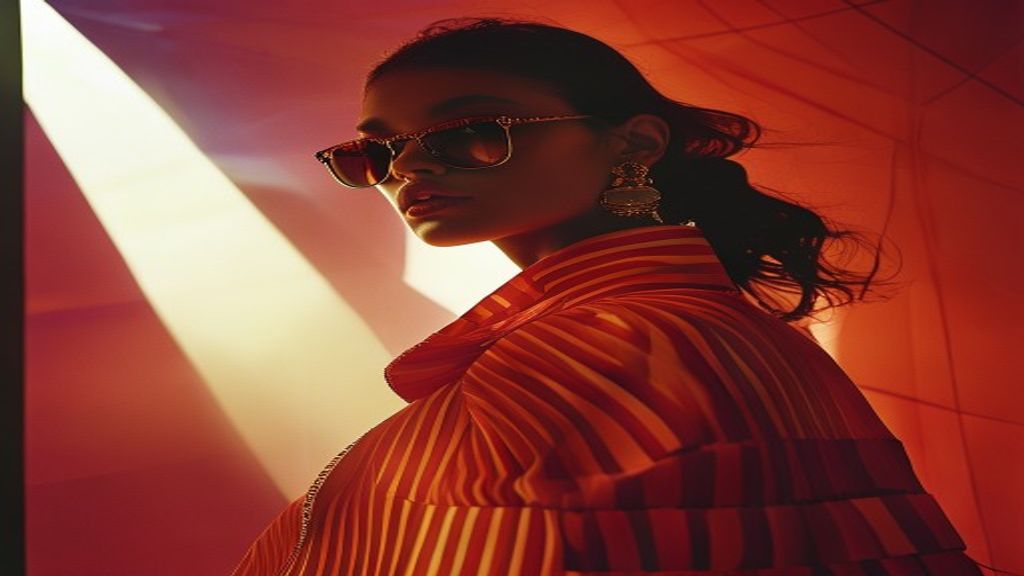
Plate · The Return of Runway: ‘The Devil Wears Prada 2’ Struts to a $10 Million Box Office Triumph
The silver screen, often a canvas for dreams, has once again unfurled a tapestry of unparalleled glamour and razor-sharp wit, proving that the sartorial saga of Runway magazine continues to captivate. ‘The Devil Wears Prada 2’ has not merely opened; it has strutted into the global consciousness, commanding a staggering $10 million USD at the box office on its debut weekend. This isn't just a film; it's a cultural phenomenon, a meticulously crafted fashion event that reaffirms the enduring power of cinematic style. For enthusiasts of haute couture, luxury accessories, and the intricate ballet of the fashion industry, this sequel represents a triumphant return, a testament to the original’s iconic status and the unwavering appeal of its formidable characters. As editors, we dissect not just the narrative, but every stitch, every silhouette, and every statement piece that contributes to this grand spectacle, understanding that within its frames lies a deeper commentary on ambition, style evolution, and the relentless pursuit of editorial vision. The numbers don't lie: the world was ready for more Miranda Priestly, more Andrea Sachs, and a fresh infusion of high fashion drama.
The Enduring Allure: A Legacy Reimagined
The original ‘The Devil Wears Prada’ transcended its genre to become a seminal text in the fashion lexicon, a witty, albeit dramatized, exposé of the publishing world's most exclusive echelons. Its influence permeated everything from workplace dynamics discussions to the very definition of professional chic. Anticipation for a sequel, therefore, wasn't just high; it was a fever pitch, fueled by years of fan theories, nostalgic re-watches, and an industry perpetually hungry for authentic fashion narratives. The film's initial success is a resounding affirmation of this deep-seated cultural resonance, demonstrating that the characters, their struggles, and their sartorial journeys remain profoundly relevant. This isn't merely a revisit; it's a re-engagement with a universe that many consider a touchstone for understanding the intricate dance between creativity and commerce within the luxury fashion landscape. The film's creators faced the monumental task of honoring a beloved legacy while simultaneously pushing its narrative and aesthetic boundaries forward. The $10 million opening suggests they have not only succeeded but have carved out a new, equally compelling chapter that resonates with both loyalists and a new generation discovering the allure of high-stakes fashion.
"More than a sequel, it's a sartorial homecoming, a meticulously styled return to the hallowed halls of high fashion."
Sartorial Spectacle: Fashion as a Character
In the world of Runway, clothes are never just clothes; they are armor, statements, and silent narrators of character arcs. ‘The Devil Wears Prada 2’ elevates this principle to an art form, presenting a visual feast that rivals any major runway show. The costume design, a pivotal element of the franchise’s identity, is nothing short of breathtaking, seamlessly blending contemporary runway trends with timeless sartorial elegance.
Wardrobe Wonders: A New Era of Chic
The film's triumph lies in its ability to evolve the fashion narrative for its beloved characters:
- Miranda Priestly's Redefined Power Dressing: Meryl Streep’s Miranda returns, her wardrobe a masterclass in understated authority. We see bespoke tailoring, exquisite fabrics, and a palette that speaks of quiet confidence rather than aggressive dominance. Her luxury accessories—from statement necklaces to impeccably crafted handbags—are chosen not for flash, but for their intrinsic value and unique design, cementing her status as an arbiter of true style, far beyond fleeting trends. This is power dressing refined, a testament to a woman whose influence is so profound, she no longer needs to shout with her clothes.
- Andrea Sachs's Sophisticated Style Evolution: Anne Hathaway’s Andrea, now a successful editor in her own right, embodies a sophisticated blend of creativity and commercial acumen. Her wardrobe reflects her journey from wide-eyed ingenue to a confident industry player. Expect to see a fusion of avant-garde pieces with ready-to-wear classics, showcasing a discerning eye for both innovative design and practical elegance. Her ensembles are a testament to how personal style can evolve alongside one's career, embracing designer fashion with an individualistic twist that speaks volumes about her growth.
- Emily Charlton's Cutting-Edge Runway Trends: Emily Blunt’s Emily, ever the fashionista, remains at the forefront of trend forecasting. Her style is sharper, bolder, and more experimental than ever, reflecting her position within the industry’s most cutting-edge circles. From daring silhouettes to vibrant color palettes, her wardrobe is a living mood board of the season’s most coveted runway trends, showcasing her unwavering dedication to the leading edge of fashion. She is the embodiment of the contemporary fashionista, unafraid to take risks and always impeccably turned out.
The film’s costume department, undoubtedly working with a plethora of luxury brands, has curated iconic ensembles that will inspire countless mood boards and editorial spreads. From sleek, minimalist silhouettes that nod to modern aesthetic sensibilities to opulent, intricate pieces that evoke the grandeur of haute couture, every frame is a testament to the power of dressing. The meticulous attention to detail, from the choice of fabrics to the precision of styling, reinforces the film's commitment to authentic fashion representation.
"Every frame is a meticulously curated fashion editorial, a masterclass in modern glamour and discerning taste."
Beyond the Labels: The Deeper Fashion Narrative
Beyond the sheer visual splendor, the fashion in ‘The Devil Wears Prada 2’ serves a deeper purpose. It subtly critiques and celebrates the industry simultaneously. We witness nods to the growing importance of sustainable fashion, the re-evaluation of ethical sourcing, and the evolving fashion lexicon that now includes inclusivity and diversity as core tenets. The film doesn't just showcase clothes; it engages with the cultural shifts within the fashion world, offering a nuanced perspective on its challenges and triumphs. The styling prowess on display acts as a character itself, guiding the audience through the narrative beats and emotional arcs of the protagonists. It is a masterclass in how wardrobe staples can be transformed into statement pieces, and how the right ensemble can convey more than dialogue ever could.
Narrative Threads and Character Evolution
The narrative of ‘The Devil Wears Prada 2’ extends beyond the glossy surface of fashion, delving into the complex evolution of its characters and the ever-shifting dynamics of their relationships. The $10 million opening isn't just for the clothes; it's for the compelling human stories beneath the impeccable tailoring.
Miranda's Reign: A Softer Edge or Sharper Claws?
Miranda Priestly remains the undisputed queen, her presence as formidable as ever. However, the sequel subtly explores the nuances of her power. Is she still the unyielding force of nature, or has time, and perhaps personal introspection, softened some of her sharper edges? The film delves into the pressures she faces in a rapidly changing media landscape, where digital influence often vies with traditional editorial authority. Her journey is a fascinating study in enduring leadership, adapting without compromising her core editorial vision. Her industry influence is undeniable, but the film hints at the personal cost of such an empire, adding layers to her iconic persona.
Andrea's Ascendance: From Assistant to Auteur
Andrea Sachs's trajectory is perhaps the most anticipated. Having navigated the treacherous waters of Runway, she has undoubtedly forged her own path. The film explores her life post-Runway, her professional achievements, and how her experiences under Miranda's tutelage have shaped her. Her personal style evolution, mirroring her professional growth, is a visual metaphor for her journey from naive assistant to a confident, respected figure within the publishing world. We see her grapple with ambition, ethics, and the perennial question of balancing personal life with a demanding, high-profile career. She represents the modern woman who has learned to wield sartorial elegance as a tool, not just an aesthetic.
Emily's Ambition: The Unsung Heroine of High Fashion
Emily Charlton, always the loyal and fiercely ambitious first assistant, now likely holds a position of significant influence. Her storyline offers a refreshing look at the often-overlooked architects of fashion's operational machinery. Her continued pursuit of excellence, her sharp wit, and her impeccable taste provide both comedic relief and genuine insight into the relentless pace of the industry. Perhaps she faces new challenges, a new rival, or finds herself in an unexpected alliance, further cementing her role as a vital, beloved character. Her journey is a testament to the dedication required to thrive in the competitive world of luxury brands and red carpet allure.
The film meticulously weaves new plotlines with the established character arcs, exploring themes of mentorship, rivalry, and the search for authentic self-expression within the often-superficial world of high fashion. The supporting cast, both familiar faces and new additions, contribute to a rich tapestry of human drama, ensuring that the film is more than just a parade of designer fashion. It’s a compelling narrative that resonates with anyone who has ever strived for excellence in a demanding field.
Cultural Resonance and Industry Impact
The resounding $10 million box office debut of ‘The Devil Wears Prada 2’ is not merely a financial success; it’s a cultural touchstone that reaffirms the enduring fascination with the fashion industry. The film's immediate impact extends far beyond the multiplex, influencing everything from social media discourse to actual runway trends. Its release has sparked a renewed interest in classic fashion iconography, prompting discussions about the evolution of style and the power of luxury accessories as investment pieces. Fashion publications and blogs are already dissecting every outfit, predicting the resurgence of certain silhouettes and color palettes. This film is poised to become a significant reference point, a new benchmark for fashion cinema that blends escapism with genuine insight into the industry's machinations.
"The film isn't just entertainment; it's a mirror reflecting the evolving landscape of luxury and ambition, a cultural phenomenon."
Concluding Insights: The Future of Fashion Cinema
‘The Devil Wears Prada 2’ has not only met but exceeded expectations, proving that the sartorial saga of Runway magazine has an unwavering hold on the collective imagination. Its $10 million opening weekend is a powerful declaration: the appetite for sophisticated, fashion-forward storytelling is robust. This film solidifies its place not just as a successful sequel, but as a significant cultural event that will undoubtedly influence future productions in the fashion cinema genre. It demonstrates that a narrative rich in character development, coupled with an unparalleled display of designer fashion and luxury accessories, can transcend niche appeal to achieve mainstream success.
The film's triumph serves as an inspiration for creators to delve deeper into the intricate world of fashion, exploring its multifaceted nature—from the meticulous craftsmanship of haute couture to the rapid-fire demands of ready-to-wear, from the visionary editorial process to the practicalities of trend forecasting. It reminds us that fashion is not merely superficial; it is an art form, a business, and a powerful medium for self-expression and cultural commentary. As the credits roll, one is left with a profound appreciation for the meticulous styling, the sharp dialogue, and the enduring power of well-told stories, especially when they are dressed to the nines. The legacy of Miranda Priestly, Andrea Sachs, and Emily Charlton continues, ensuring their iconic ensembles and indelible personalities remain firmly etched in the annals of cinematic and fashion history. The future of fashion cinema, it seems, is brighter, bolder, and impeccably dressed.