Where Tech Meets Track: Porsche's Historic Apple Computer Livery at Laguna Seca
The iconic Apple Computer livery on a Porsche 935 at Laguna Seca wasn't just a race car; it was a prescient declaration of techwear's future on the global stage.
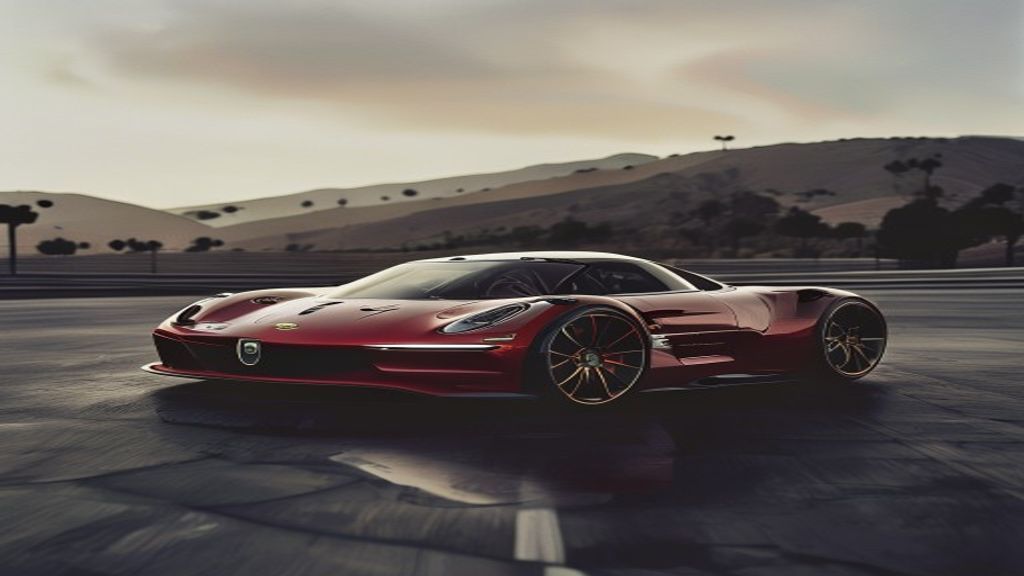
Plate · Where Tech Meets Track: Porsche's Historic Apple Computer Livery at Laguna Seca
In the rarefied air where speed, innovation, and sartorial foresight converge, certain moments transcend their immediate context to become foundational touchstones. One such epochal event unfolded at the hallowed tarmac of Laguna Seca in 1980. There, amidst the roar of engines and the blur of high-performance machinery, a Porsche 935, resplendent in a livery bearing the nascent rainbow emblem of Apple Computer, didn't merely race; it presented a visual manifesto. This wasn't just motorsport; it was a prophetic glimpse into the future of design, an unwritten chapter in the lexicon of techwear, and an undeniable moment of functional fashion elevated to an art form.
The convergence of German engineering prowess and Silicon Valley's disruptive spirit forged an aesthetic so potent, so ahead of its time, that its reverberations are still felt today in the curated collections of luxury sportswear and the refined lines of contemporary streetwear. It was an audacious statement, a digital-era heraldry emblazoned on a mechanical beast, signaling a paradigm shift where performance wasn't just about speed, but about a holistic, integrated vision of technology, design, and ultimately, human endeavor.
The Genesis of an Icon: Silicon Valley Meets Stuttgart Engineering
The late 1970s and early 1980s were a crucible of change. While Porsche was relentlessly refining its racing pedigree, pushing the boundaries of what was mechanically possible, Apple Computer was democratizing computing, bringing the future into homes and offices with a user-centric philosophy. The decision by Apple to sponsor a race car, particularly a formidable Porsche 935, was not merely a marketing ploy; it was a bold, almost rebellious, declaration of intent. It aligned two entities at the zenith of their respective fields, both driven by an unwavering commitment to innovation and pushing against established norms.
A Disruptive Partnership: Apple's Early Vision
At a time when corporate sponsorships in motorsport were dominated by oil companies, tobacco giants, and traditional automotive brands, Apple's entry was strikingly unconventional. It reflected the burgeoning counter-culture ethos of Silicon Valley – a belief in the power of individual ingenuity and a future shaped by accessible technology. This partnership wasn't just about placing a logo; it was about injecting a new kind of energy into a traditional sport, mirroring Apple's own mission to disrupt the status quo. The very act of pairing a high-tech, yet approachable, computer brand with the visceral, high-stakes world of endurance racing was a masterstroke in brand synergy, a precursor to today's cross-industry collaborations that define modern lifestyle and curated aesthetic.
The Porsche 935: A Canvas of Performance
The Porsche 935, a derivative of the legendary 911, was a beast engineered for relentless performance. With its aggressive ‘Moby Dick’ long-tail bodywork for aerodynamic supremacy and a turbocharged flat-six engine producing prodigious power, it was a dominant force on the track. For Apple, this wasn't just any car; it was a platform that embodied peak performance, ergonomic design, and uncompromising engineering – qualities that Apple itself championed in its nascent personal computers. The 935 became the ultimate canvas for a visual identity that would transcend the motorsport arena, transforming a purebred racing machine into a cultural artifact, a testament to haute performance design.
The Livery: A Masterclass in Visual Identity and Functionality
The Apple Computer livery, designed by George K. Barris, was a revelation. Eschewing the typical racing stripes and corporate blocks, it embraced a vibrant, multi-colored rainbow motif that was both playful and profoundly modern. This was the original Apple logo, a symbol of diversity, creativity, and the spectrum of human potential, applied with striking effect against the pristine white bodywork of the Porsche 935.
The Aesthetic of Innovation: Pixels and Precision
The rainbow stripes, meticulously applied, created an illusion of speed even at a standstill. They were, in essence, the analog predecessors to digital pixels, a visual language that hinted at the graphical interfaces Apple would soon revolutionize. The placement of the minimalist Apple logo – clean, bold, and instantly recognizable – spoke volumes about the brand's confidence and clarity of vision. This wasn't mere branding; it was a statement about an emerging aesthetic, one that prioritized clarity, simplicity, and a touch of the avant-garde. It resonated with the emerging principles of minimalist design and the clean lines that would come to define contemporary techwear.
“This wasn't just paint; it was a manifesto, a digital skin for a mechanical beast. It spoke to the future, not just of computing, but of how design could communicate a brand's very soul.”
Beyond Branding: A Performance Statement
Every element of the livery, from the choice of colors to the precise application, contributed to its overall impact. It was a visual representation of cutting-edge technology, mirroring techwear's focus on functional aesthetics – where every design choice serves a purpose, whether it's enhancing aerodynamics or communicating a brand identity. The livery signaled a new era where technology wasn't just hidden beneath the surface but was celebrated visually, becoming an integral part of the design narrative. It was an early exemplar of how visual identity could elevate a product beyond its utilitarian function into a realm of aspirational, iconic design.
Laguna Seca: The Stage for a Style Revolution
The 1980 Monterey Triple Crown at Laguna Seca provided the perfect backdrop for this sartorial spectacle. The challenging corkscrew, the undulating terrain, and the Californian sunshine created a dynamic stage where the Apple Porsche could not only compete but also captivate.
The Circuit as Catwalk: Performance in Motion
As the Porsche 935 tore around the circuit, the vibrant rainbow livery became a blur of color, a streak of digital-era optimism against the traditional greens and browns of the track. It was performance in motion, but also an unexpected display of visual artistry. The car, in its Apple garb, transcended its role as a mere racing machine to become a living, breathing piece of kinetic sculpture. Spectators weren't just witnessing a race; they were experiencing a moment where the boundaries between sport, technology, and design blurred, foreshadowing the integrated experiences we now expect from premium lifestyle brands.
The Cultural Resonance: Beyond Motorsport Enthusiasts
The impact of the Apple Porsche extended far beyond the confines of motorsport. It captured the imagination of a broader audience, resonating with tech enthusiasts, design aficionados, and cultural trendsetters alike. It became a symbol of a new era, one where technology was becoming cool, accessible, and visually exciting. This crossover appeal is precisely what defines successful movements in fashion and design – the ability to transcend niche interests and speak to a universal desire for innovation and self-expression.
Key elements contributing to the livery's enduring appeal:
- Unconventional Sponsorship: A tech giant entering a traditional racing arena.
- Bold, Recognizable Design: The rainbow Apple logo, a symbol of innovation and accessibility.
- High-Performance Platform: The formidable Porsche 935, ensuring credibility and spectacle.
- Cultural Zeitgeist Alignment: Tapping into the burgeoning digital revolution and its optimistic outlook.
- Visual Prowess: A truly unique and memorable aesthetic that stood out.
The Enduring Legacy: From Track to Runway
Four decades later, the Apple Porsche 935 livery remains as relevant and striking as ever. Its influence can be traced directly to the rise of techwear and the prevailing aesthetic of functional fashion that dominates contemporary design. The fusion of high-performance materials, ergonomic considerations, and a clean, often minimalist, aesthetic seen in modern technical fabrics and performance wear, finds an unexpected ancestor in this iconic race car.
Techwear's Prophetic Blueprint
The livery’s design principles – clarity, impact, and a celebration of technology – are the very tenets upon which the modern techwear movement is built. Brands like ACRONYM, Stone Island, and Nike ACG, which champion garments that seamlessly blend utility with an elevated aesthetic, echo the spirit of the Apple Porsche. They understand that true style in the 21st century is not just about appearance, but about performance, adaptability, and a thoughtful integration of advanced materials and design philosophies. The Apple Porsche wasn't just a car; it was a blueprint for how technology could inform and elevate visual identity in a high-stakes, performance-driven environment, a veritable sartorial prophecy.
“The Apple Porsche wasn't merely a race car; it was a sartorial prophecy, a harbinger of the performance-driven aesthetic that defines modern techwear, proving that true innovation transcends categories.”
The Crossover Influence: Automotive Design and Fashion
The dialogue between automotive design and fashion has always been dynamic, but the Apple Porsche solidified a particular strain: one where the sleekness of machinery, the precision of engineering, and the bold statements of branding converge. It’s a testament to the power of iconic design that a race car's livery can inspire collections, influence color palettes, and inform the very ethos of entire fashion sub-genres. It demonstrates that the pursuit of speed and the pursuit of style are not mutually exclusive but are, in fact, deeply intertwined facets of human creativity and innovation, leading to a richer understanding of heritage racing and its unexpected impact on global aesthetics.
Concluding Insights
The Porsche 935 with its Apple Computer livery at Laguna Seca was more than a fleeting moment in motorsport history. It was a pivotal declaration, a bold stroke on the canvas of cultural evolution. It demonstrated with undeniable flair how the worlds of high-technology, elite performance racing, and visionary design could coalesce into something profoundly influential. This moment didn't just showcase a car; it unveiled a future where the lines between disciplines blur, where functionality is inherently beautiful, and where the aesthetic of innovation becomes a driving force in fashion and beyond. It remains a powerful reminder that true innovation is often found at the intersection of unexpected realms, continually redefining what is possible and what is exquisitely stylish. The Apple Porsche is not just a relic of the past; it is an enduring symbol of a future we are still building, one where tech meets track, and design dictates destiny.