Pakistan’s Ports: Charting a New Course for Luxury Fashion in a Shifting Global Landscape
As Red Sea disruptions reshape global trade, Pakistan's strategic ports emerge as vital arteries, offering luxury fashion an agile pathway and robust supply chain resilience.
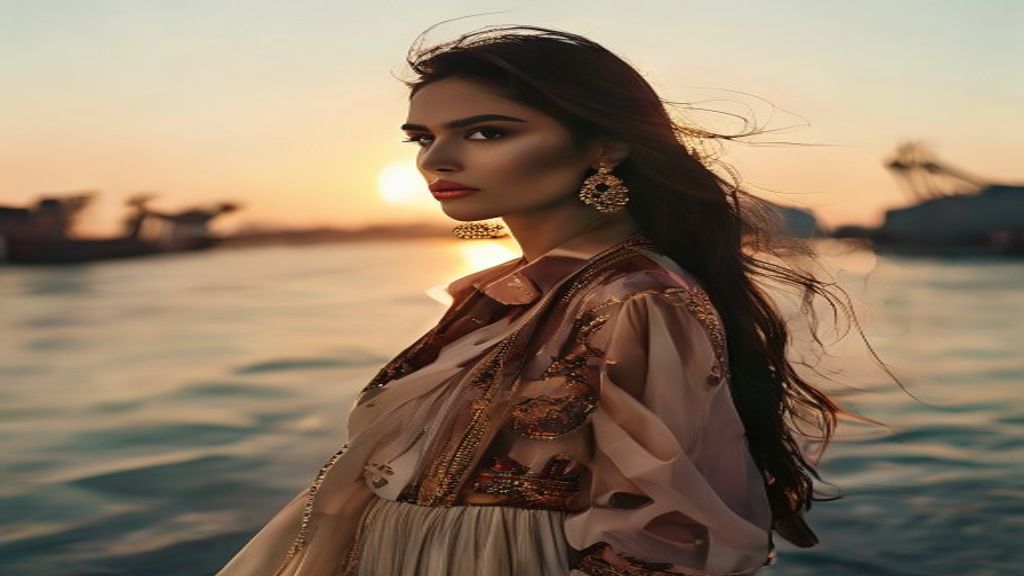
Plate · Pakistan’s Ports: Charting a New Course for Luxury Fashion in a Shifting Global Landscape
Pakistan’s Ports: Charting a New Course for Luxury Fashion in a Shifting Global Landscape
In the intricate ballet of global commerce, where every stitch and every jewel embarks on a meticulously planned journey, disruptions are not mere inconveniences; they are seismic shifts. The recent tremors emanating from the Red Sea have sent ripples through the very fabric of international trade, compelling industries to recalibrate their strategies. For the world of luxury fashion, a realm defined by precision, exclusivity, and an unwavering commitment to timely delivery, these disruptions are particularly poignant. Yet, from the shifting tides, a new horizon emerges: Pakistan’s strategically positioned ports, poised to become an indispensable nexus in the global luxury supply chain.
The Unravelling of Established Routes: A Call for Agility
For centuries, the maritime routes connecting East and West have been the lifeblood of commerce, facilitating the exchange of everything from precious silks and exotic spices to the latest haute couture collections. The Suez Canal, in particular, has long stood as a pivotal conduit, dramatically shortening transit times and ensuring the smooth flow of goods. However, the recent geopolitical complexities in the Red Sea region have cast a shadow over this vital artery, forcing shipping lines to embark on arduous, longer journeys around the Cape of Good Hope. This rerouting translates directly into extended delivery schedules, escalated freight costs, and, crucially, a heightened risk to the integrity of delicate luxury cargo.
For a fashion industry that operates on the razor's edge of seasonal collections, where a delay of mere weeks can render a trend obsolete or miss a crucial retail window, such disruptions are catastrophic. Imagine the meticulously crafted prêt-à-porter garments, the exquisite leather goods, or the artisanal jewellery destined for flagship boutiques in Paris, Milan, or New York, now languishing at sea for weeks longer. The financial implications are substantial, but more importantly, the potential damage to brand integrity and the consumer experience is immeasurable. Luxury, after all, is not just about the product; it is about the promise – a promise of unparalleled quality, timely arrival, and seamless acquisition.
“In luxury, time is not merely money; it is the very essence of exclusivity. Every delay risks diluting the allure of the seasonal collection and eroding the trust of our discerning clientele.”
Pakistan’s Strategic Ascendancy: A New Gateway to Global Luxury
Amidst this global re-evaluation of logistics, Pakistan's unique geographical position – at the crossroads of South Asia, the Middle East, and Central Asia – presents an compelling alternative. With its deep-sea ports of Gwadar, Karachi, and Port Qasim, Pakistan offers a robust and increasingly sophisticated infrastructure capable of handling significant cargo volumes. The nation's coastline, bordering the Arabian Sea, provides direct access to crucial shipping lanes, bypassing the Red Sea chokepoint entirely for much of the East-West traffic.
Key Advantages for Discerning Brands:
- Proximity to Key Markets: Pakistan’s ports offer a significantly shorter route for goods originating from or destined for China, other parts of Asia, and even some Central Asian regions, compared to the circuitous journey around Africa. This proximity translates into reduced transit times, a critical factor for the time-sensitive fashion logistics sector.
- Cost Efficiency: Shorter routes inherently lead to lower fuel consumption and reduced operational costs for shipping lines, benefits that can translate into more competitive freight rates for luxury brands. In an industry where margins are often reinvested into design innovation and artisanal craftsmanship, any efficiency gains are highly valued.
- Infrastructure Development: Significant investments in port modernization, including improved cargo handling capabilities, enhanced security measures, and the development of Special Economic Zones (SEZs) around these ports, are making them increasingly attractive. These zones offer streamlined customs procedures and incentives that can further optimize the luxury supply chain.
- Reduced Geopolitical Risk: By offering an alternative route that circumvents the volatile Red Sea corridor, Pakistan’s ports provide a vital de-risking strategy for brands seeking to ensure the uninterrupted flow of their premium goods. This resilience is paramount for maintaining brand integrity and avoiding stockouts of highly anticipated capsule collections.
The potential for Pakistan to act as a land-sea bridge, leveraging its burgeoning road and rail networks, further amplifies its appeal. This multimodal approach could facilitate the swift movement of goods from port to inland destinations, or even onwards to landlocked Central Asian markets, opening new avenues for global sourcing and distribution.
Implications for the Luxury Fashion Ecosystem: Beyond Logistics
The strategic shift towards Pakistan's ports is not merely a logistical pivot; it carries profound implications for the entire luxury fashion ecosystem. It forces a re-evaluation of how brands conceptualize their global supply chain, from the initial sourcing of premium fabrics and raw materials to the final delivery of a coveted investment piece.
Sourcing and Production Reimagined:
With enhanced connectivity to Pakistan, luxury brands might find new opportunities for ethical sourcing and production. Pakistan has a rich heritage in textile innovation, particularly in cotton and leather. A more accessible logistical route could encourage brands to explore local artisanal craftsmanship, potentially fostering sustainable practices and supporting local economies – a growing imperative for the modern luxury consumer who values sustainable luxury and ethical fashion.
“The journey of a luxury garment must be as impeccable as its design. Pakistan’s ports offer a strategic advantage, ensuring our collections arrive with the same precision and punctuality as they left our ateliers.”
E-commerce Luxury and the Global Consumer:
The exponential growth of e-commerce luxury demands unparalleled speed and reliability. Discerning online shoppers expect swift delivery, regardless of geographical barriers. By reducing transit times, Pakistan’s ports can play a crucial role in enhancing the consumer experience for high-value online purchases, ensuring that a limited-edition accessory or a bespoke tailored suit reaches its owner without undue delay. This directly impacts customer satisfaction and repeat business, vital for maintaining market share in the competitive retail landscape.
Resilience and Brand Integrity:
In an era of increasing global volatility, supply chain resilience has become a non-negotiable for luxury houses. The ability to adapt to unforeseen disruptions, pivot quickly, and maintain consistent service is a hallmark of strong brand integrity. By diversifying their shipping routes and integrating Pakistan’s ports into their logistical matrix, brands can build a more robust and future-proof supply chain, safeguarding their reputation for exclusivity and reliability.
The Future of Fashion Logistics:
This evolving landscape also underscores the importance of fashion technology in tracking and managing complex global shipments. Advanced analytics, blockchain for transparency, and AI-driven predictive logistics will become even more critical in optimizing routes through new hubs like Pakistan. The focus will be on creating 'smart' supply chains that can anticipate and mitigate disruptions, ensuring that the journey of every haute couture gown or designer accessory is as seamless as its design.
Concluding Insights: Navigating the New Horizon
The reorientation of global shipping routes, catalyzed by disruptions in the Red Sea, presents both challenges and unparalleled opportunities. For the luxury fashion sector, it is a moment to not only adapt but to innovate. Pakistan’s ports, with their strategic location and developing infrastructure, are emerging as a pivotal answer to the industry’s quest for more agile, cost-effective, and secure logistical pathways.
As design houses and heritage brands continue to navigate this complex global tapestry, integrating new hubs like Pakistan into their global sourcing and distribution strategies will be paramount. It is an acknowledgment of a shifting world, where flexibility and foresight are as valuable as the finest silk. The journey of luxury, from the conceptual sketch in an atelier to the final presentation in a prestigious boutique, is evolving. And in this evolution, Pakistan’s ports are poised to play a defining role, ensuring that the promise of luxury – its elegance, its exclusivity, and its timely arrival – remains unbroken, no matter how the global currents shift. The future of fashion logistics is being redrawn, and Pakistan is firmly on the map as a critical new waypoint for the discerning world of high fashion.