The Future, Reimagined: Nike and Zellerfeld's 3D-Printed AirMax 1000.2 "Black/Hyper Crimson"
Nike and Zellerfeld redefine footwear with the 3D-printed AirMax 1000.2. Discover sustainable innovation, bespoke design, and the "Black/Hyper Crimson" revolution.
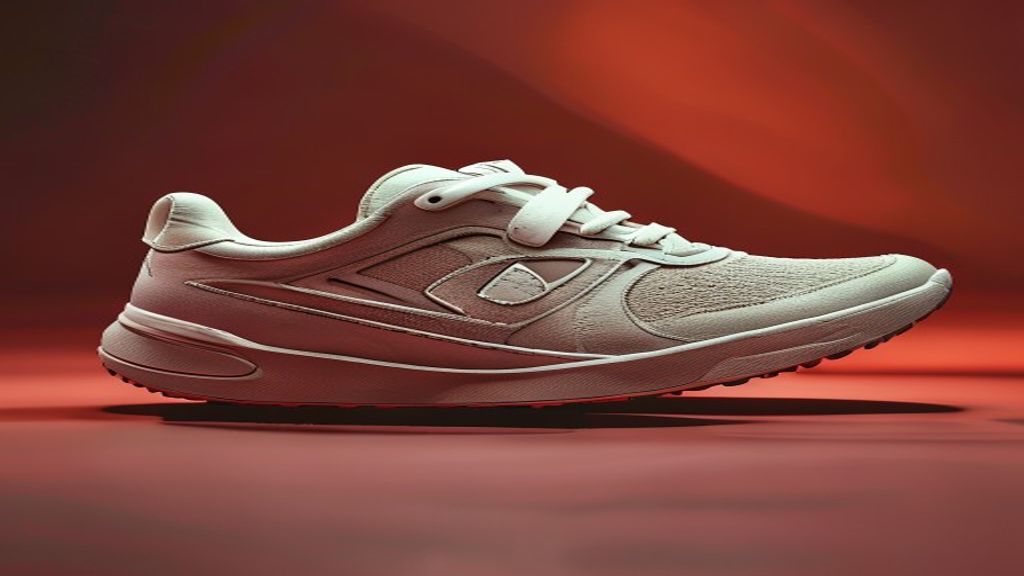
Plate · The Future, Reimagined: Nike and Zellerfeld's 3D-Printed AirMax 1000.2 "Black/Hyper Crimson"
A New Paradigm in Footwear Manufacturing
In an era where luxury and responsibility are no longer mutually exclusive, the fashion industry stands at a pivotal juncture. Groundbreaking innovation, once the exclusive domain of Silicon Valley, now seamlessly integrates with haute couture and high-performance sportswear. It is within this exciting confluence that Nike, a titan of athletic innovation, and Zellerfeld, a vanguard in additive manufacturing, unveil a creation that promises to redefine the very fabric of footwear: the 3D-Printed AirMax 1000.2 in the striking 'Black/Hyper Crimson' colorway. This isn't merely a sneaker; it's a profound statement, a tangible blueprint for a future where design ingenuity, personalized fit, and unwavering commitment to sustainability coalesce into a single, covetable object. As senior fashion editors, we often seek the narrative that transcends seasonal trends, a story of genuine paradigm shift. The AirMax 1000.2 is precisely that – a testament to what happens when visionary brands dare to print the future, one meticulously layered filament at a time.
For decades, the traditional footwear manufacturing process, while producing billions of pairs annually, has been plagued by inherent inefficiencies and environmental burdens. From complex supply chains to significant material waste and labor-intensive assembly lines, the industry has long sought a more agile, sustainable model. Enter 3D printing, a disruptive technology poised to revolutionize how shoes are conceived, created, and consumed. The collaboration between Nike and Zellerfeld represents a critical inflection point, moving beyond conceptual prototypes to market-ready, high-performance products.
The Zellerfeld Difference: Precision and Personalization
Zellerfeld has positioned itself at the forefront of this revolution, mastering the intricate art and science of large-scale 3D printing for footwear. Their proprietary technology allows for the creation of intricate, monolithic structures from a single material, eliminating the need for glues, stitching, and multi-component assembly that characterize conventional shoe production. This not only drastically reduces material waste but also simplifies the end-of-life recycling process, paving the way for true circularity. The true genius lies in its capacity for personalization.
Imagine a shoe not just designed for a generic foot, but precisely tailored to the unique contours and biomechanics of the individual wearer. Zellerfeld’s advanced scanning and printing capabilities promise a bespoke fit that transcends traditional sizing, offering unparalleled comfort and performance. This hyper-personalization elevates the sneaker from a mass-produced item to a luxury bespoke experience, democratizing access to custom footwear previously reserved for elite athletes or haute couture clients. This meticulous approach to footwear innovation ensures that each pair of AirMax 1000.2 is not just a product, but a meticulously engineered extension of the wearer, a testament to the potential of on-demand production.
Nike's Vision: Innovation Meets Responsibility
Nike's legacy is built on relentless innovation, from its revolutionary Air cushioning to its Flyknit technology. However, the modern consumer, especially within the premium fashion segment, demands more than just performance; they demand purpose. Nike's 'Move to Zero' initiative, an ambitious journey towards a zero-carbon and zero-waste future, finds a powerful ally in Zellerfeld's additive manufacturing prowess. This collaboration is not a superficial greenwashing effort; it's a strategic embrace of a technology that fundamentally aligns with Nike's long-term sustainability goals.
By investing in 3D printing, Nike is not only pushing the boundaries of design and performance but also demonstrating a tangible commitment to reducing its environmental footprint. The AirMax 1000.2 is a testament to this evolving philosophy, proving that cutting-edge aesthetics and ecological responsibility can, and must, coexist. It signals Nike's deepened commitment to responsible manufacturing, leveraging advanced technology to craft a new generation of eco-friendly design that resonates with the conscious consumer.
Deconstructing the AirMax 1000.2 "Black/Hyper Crimson"
Beyond its technological marvel, the AirMax 1000.2 is a visually arresting piece of design, a sculptural statement that encapsulates both its futuristic origins and its connection to Nike's iconic heritage. The 'Black/Hyper Crimson' colorway is particularly noteworthy, offering a sophisticated yet dynamic aesthetic that will resonate with discerning collectors and style aficionados alike. This unique blend of classic appeal and modern execution sets a new benchmark for luxury sneakers.
Design Philosophy: Form, Function, and Future
The aesthetic of the AirMax 1000.2 is inherently dictated by the capabilities of 3D printing. The shoe boasts an organic, almost bio-morphic form, with intricate lattice structures and varying densities that would be impossible to achieve through conventional manufacturing. These complex geometries are not merely decorative; they serve critical functional purposes, providing targeted support, enhanced breathability through engineered ventilation channels, and dynamic cushioning precisely where it's needed most. The silhouette, while distinctly contemporary, subtly nods to the AirMax lineage, reinterpreting classic elements through a futuristic lens.
The 'Black' base provides a canvas of understated elegance, allowing the 'Hyper Crimson' accents to truly pop. This vibrant, almost electric orange-red, strategically placed, creates a compelling visual tension, highlighting key structural elements and injecting a dose of modern energy into the sophisticated design. It’s a color story that speaks to both stealthy urban appeal and bold, athletic dynamism, making it a versatile statement piece for any fashion-forward individual. This meticulous attention to color and form elevates the sneaker to an art object, a true collectible in the realm of footwear innovation.
"This isn't just a shoe; it's a statement of intent, a wearable blueprint for a more conscious future."
Material Innovation and Circularity
At the heart of the AirMax 1000.2's sustainability narrative is its pioneering use of advanced, mono-material polymers. Unlike traditional sneakers composed of dozens of different materials—leathers, rubbers, foams, textiles, and glues—which are notoriously difficult to recycle, the 1000.2 is designed for disassembly and circularity from its inception. The single-material construction means that, at the end of its life, the entire shoe can theoretically be ground down and re-extruded into new filament, ready to be printed into another pair. This closed-loop system dramatically reduces waste, minimizes reliance on virgin resources, and lessens the environmental impact associated with footwear production.
Furthermore, the on-demand production model of Zellerfeld’s technology means that overproduction, a significant contributor to fashion waste, becomes a relic of the past. Shoes are printed only as they are ordered, ensuring that every pair finds a home and resources are not squandered. This commitment to circular fashion and responsible resource management positions the AirMax 1000.2 as a true leader in eco-friendly design, setting a new standard for sustainable sneakers in the premium market.
The Impact on Luxury and Mainstream Fashion
The unveiling of the AirMax 1000.2 is more than a product launch; it's a bellwether for the future direction of the entire fashion industry, particularly at its most premium and innovative frontiers. This collaboration heralds a new era where technological prowess and ethical production are intrinsically linked.
Bespoke Luxury for the Modern Consumer
In an increasingly homogenized market, true luxury is defined by exclusivity, craftsmanship, and personalization. The 3D-printed AirMax 1000.2 embodies these tenets perfectly. The ability to create a shoe that is truly unique to an individual, based on their specific foot data, elevates it beyond a mere commodity. This level of bespoke tailoring, once the purview of Savile Row suits or haute couture gowns, is now accessible in high-performance footwear. It caters to a discerning consumer who values not just the brand prestige, but also the ethical provenance and technological sophistication behind their purchases. This is luxury redefined – conscious, customized, and cutting-edge, appealing to those who seek unique, custom footwear that aligns with their values.
A Catalyst for Industry-Wide Change
The AirMax 1000.2 serves as a powerful proof of concept, demonstrating that advanced manufacturing can deliver both aesthetic appeal and profound environmental benefits. Its arrival will undoubtedly send ripples throughout the industry, challenging other major players to accelerate their own research and development into sustainable, on-demand production methods. This collaboration legitimizes 3D printing as a viable, scalable solution for mainstream footwear, not just experimental prototypes. It sets a new benchmark for what consumers should expect from their favorite brands: not just innovative design, but responsible innovation. The pressure to adapt and adopt similar technologies will intensify, pushing the entire sector towards a more sustainable and ethical future.
"The AirMax 1000.2 transcends mere footwear; it's a beacon for a new era of responsible design and production, signaling a monumental shift in how we conceive and consume fashion."
This isn't merely about creating a better shoe; it's about pioneering a better way to create, period. The ripple effect of this collaboration could very well be the catalyst needed to transition the global footwear industry towards a truly circular economy, where waste is minimized, resources are conserved, and every product is designed with its entire lifecycle in mind. This vision of green fashion and sustainable sneakers is what the future demands.
Concluding Insights: Walking Towards a Greener Future
The Nike and Zellerfeld 3D-Printed AirMax 1000.2 in 'Black/Hyper Crimson' is a monumental achievement, a fusion of visionary design, revolutionary technology, and steadfast commitment to sustainability. It represents a potent glimpse into the future of fashion—a future where customization is standard, waste is minimal, and innovation serves a higher purpose. For the discerning consumer, it offers not just an exquisite piece of footwear but a statement of conscious consumption, a commitment to supporting brands that are actively shaping a more responsible world. As we step into an era where every purchase carries an ethical weight, the AirMax 1000.2 stands as a powerful symbol of progress, proving that style, performance, and sustainability can indeed walk hand-in-hand towards a brighter, greener tomorrow. This is not just the next step in sneaker evolution; it's a giant leap for sustainable fashion, cementing its place as a cornerstone of modern luxury and responsible style.