The Seismic Shift: Nike's Distribution Overhaul and the Future of Sportswear
Nike slashes 775 jobs, consolidating U.S. distribution. This strategic move signals a major pivot for the sportswear giant amidst evolving retail landscapes and supply chain demands.
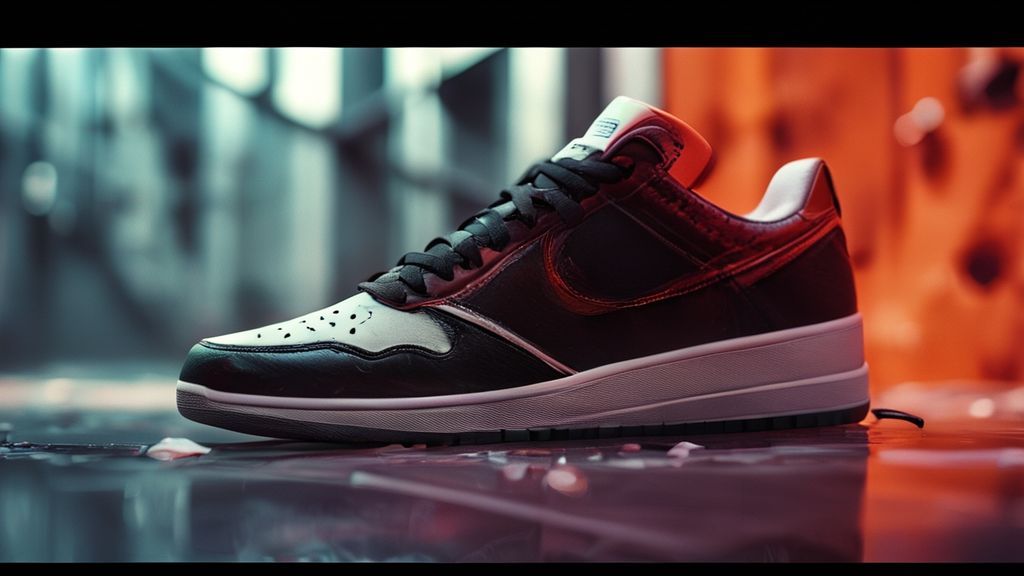
Plate · The Seismic Shift: Nike's Distribution Overhaul and the Future of Sportswear
In the ever-shifting tectonic plates of global commerce and style, Nike has long stood as an unshakeable monolith, a brand synonymous with innovation, aspiration, and the very pulse of athletic and streetwear culture. From the hallowed courts to the most coveted concrete runways, the Swoosh dictates trends, fuels desire, and outfits a generation. So, when news breaks from Beaverton that 775 jobs are slated for cuts, alongside a significant consolidation of U.S. distribution centers, it’s not merely a corporate announcement; it’s a seismic tremor felt across the entire fashion ecosystem. This isn't just about streamlining logistics; it's a profound recalibration of Nike's operational blueprint, a strategic pivot designed to sharpen its competitive edge in an increasingly digital-first, consumer-obsessed world. For a brand that has consistently redefined what it means to be a global powerhouse, this move signals a calculated evolution, a ruthless pursuit of efficiency that will undoubtedly reshape its relationship with its workforce, its partners, and ultimately, its legion of devotees.
The Strategic Playbook: Why Now?
Nike’s decision to consolidate its U.S. distribution network and reduce its workforce isn't an isolated event, but rather a calculated response to a confluence of macro-economic forces and internal strategic imperatives. The modern retail landscape is a beast of constant evolution, demanding agility, precision, and an unyielding focus on the consumer journey. For a brand as monumental as Nike, staying ahead means not just innovating in product design, but fundamentally rethinking how those products reach the hands of their eager clientele. This isn't a reaction to decline; it's a proactive strike for future dominance.
E-commerce Ascendancy and Direct-to-Consumer (DTC)
The digital revolution has fundamentally rewritten the rules of retail. The pandemic merely accelerated a trajectory Nike had already committed to: a robust direct-to-consumer strategy. This isn't just about selling more sneakers online; it's about owning the customer relationship, gathering invaluable data, and delivering a curated, seamless brand experience from click to unboxing. As Nike continues to ramp up its digital sales channels and invest heavily in its SNKRS app and Nike.com platform, the traditional model of relying on a vast network of physical distribution centers, often serving wholesale partners, becomes less efficient. The future is personalized, immediate, and direct. Consolidating distribution centers allows for a more centralized, data-driven approach to inventory management and fulfillment, directly supporting this DTC pivot. It’s about creating a hyper-efficient pipeline that funnels the latest drops, limited editions, and essential gear directly to the consumer with unprecedented speed.
Supply Chain Optimization in a Post-Pandemic World
The global supply chain has been a hot topic since 2020, revealing vulnerabilities and inefficiencies that major players like Nike are now aggressively addressing. Delays, port congestion, and fluctuating consumer demand have underscored the need for resilient, flexible, and technologically advanced logistics operations. By consolidating distribution centers, Nike aims to achieve several critical objectives:
- Reduced Complexity: Fewer, larger, and more technologically advanced facilities can simplify inventory tracking and movement.
- Enhanced Automation: Investing in state-of-the-art robotics and AI-driven logistics within fewer hubs can significantly boost processing speeds and accuracy.
- Cost Efficiencies: Streamlining operations inevitably leads to reduced overheads, from energy consumption to labor costs, freeing up capital for further investment in product innovation and marketing.
- Improved Responsiveness: A leaner, more integrated network can react quicker to shifts in demand, ensuring that the hottest new silhouettes and essential performance wear are always in stock where they’re needed most.
This move isn't just about cutting fat; it's about building muscle, forging a supply chain that is both robust and agile enough to navigate future disruptions and capitalize on fleeting trends.
The Cost of Innovation and Efficiency
Nike’s brand narrative has always been intertwined with innovation – from groundbreaking Air technology to sustainable Flyknit materials. But innovation extends beyond product; it encompasses operational excellence. Achieving this level of efficiency often comes with difficult decisions. The investment in advanced automation, digital infrastructure, and a more streamlined workforce is a testament to Nike’s long-term vision. This isn't merely about cost-cutting in a punitive sense; it's about reallocating resources to areas that will drive future growth and maintain its competitive edge in a global marketplace where every fraction of a second and every dollar counts. It’s a ruthless optimization, yes, but one that is framed by the imperative to remain at the apex of the sportswear and fashion pyramid.
'This isn't just about streamlining logistics; it's a profound recalibration of Nike's operational blueprint, designed to sharpen its competitive edge in an increasingly digital-first, consumer-obsessed world.'
The Human Element: Impact and Repercussions
While the strategic rationale behind Nike's consolidation is clear from a business perspective, the human cost of such significant operational shifts cannot be overlooked. The 775 job cuts represent individuals and families, and the impact resonates far beyond the corporate balance sheet.
The Workforce Transition
Nike has stated its commitment to supporting affected employees, often through severance packages, outplacement services, and opportunities for relocation or re-skilling where possible. For a brand that prides itself on community and athletic spirit, managing this transition with empathy and responsibility is paramount to maintaining its brand integrity. The workforce in distribution centers often forms the backbone of the supply chain, and their expertise is invaluable. As such, the consolidation often involves a strategic re-evaluation of roles, emphasizing skills in automation management, data analytics, and digital logistics over purely manual processes. This shift mirrors broader trends in the industrial sector, where technology is increasingly augmenting, and sometimes replacing, traditional labor.
Community & Economic Ripple Effects
The closure or significant downsizing of distribution centers in specific regions can have a tangible impact on local economies. These facilities often provide stable employment and contribute to the local tax base. While Nike’s long-term goal is to create a more robust and future-proof operation, the immediate effects on these communities will require careful navigation. This aspect of the announcement underscores the complex interplay between global corporate strategy and local economic realities, a delicate balance that premium brands must manage carefully to uphold their social license and maintain consumer trust.
'For a brand that has consistently redefined what it means to be a global powerhouse, this move signals a calculated evolution, a ruthless pursuit of efficiency that will undoubtedly reshape its relationship with its workforce, its partners, and ultimately, its legion of devotees.'
Nike's Evolving Footprint: What This Means for the Consumer and Culture
Beyond the corporate machinations and labor implications, the ultimate question for the streetwear aficionado, the sneakerhead, and the everyday athlete is: what does this mean for me? Nike’s strategic realignment is ultimately designed to enhance the consumer experience, ensuring the brand remains at the forefront of desirability and accessibility.
Enhanced Speed and Precision
Imagine the thrill of a new SNKRS drop, the anticipation for a coveted collaboration, or simply needing a fresh pair of Air Force 1s. A streamlined distribution network promises quicker fulfillment times and more accurate inventory management. This means:
- Faster Deliveries: Getting those grail sneakers or performance gear into your hands with unprecedented speed.
- Reduced Out-of-Stocks: Better inventory control means less frustration when trying to snag popular items.
- More Efficient Returns: A smoother process for handling exchanges and returns, enhancing overall customer satisfaction.
For a culture obsessed with immediacy and access, these operational improvements are not just logistical tweaks; they are fundamental enhancements to the ritual of acquiring and experiencing Nike products. It’s about ensuring that the hype translates seamlessly into tangible satisfaction.
A More Curated Brand Experience
The shift towards DTC isn't just about logistics; it’s about brand control. By consolidating its distribution, Nike gains greater oversight over the entire product journey, from factory floor to front door. This enables a more consistent and premium unboxing experience, reinforcing the brand’s luxury positioning within the streetwear sphere. It allows Nike to:
- Personalize Offerings: Leverage data from direct sales to tailor product recommendations and exclusive access.
- Control Brand Narrative: Ensure that every touchpoint, including delivery, aligns with Nike’s premium image.
- Innovate in Packaging & Delivery: Explore sustainable packaging solutions and unique delivery experiences that elevate the brand's commitment to both style and responsibility.
This move is a bold statement of intent: Nike is doubling down on its direct relationship with its most passionate consumers, promising a more refined, responsive, and rewarding interaction.
Sustainability and Ethical Considerations
While efficiency is a primary driver, modern premium brands are increasingly judged on their ethical footprint. A consolidated and modernized distribution network can also present opportunities for enhanced sustainability. Fewer, larger facilities can be designed with greater energy efficiency, implement advanced waste reduction programs, and optimize transportation routes to reduce carbon emissions. For a brand that resonates deeply with a socially conscious younger demographic, demonstrating a commitment to environmental responsibility through its operations is not just good PR; it’s essential for long-term brand equity and cultural relevance.
Concluding Insights: The Future of the Swoosh
Nike’s decision to cut 775 jobs and consolidate its U.S. distribution centers is far more than a routine corporate adjustment; it is a profound strategic realignment that speaks volumes about the future trajectory of the sportswear behemoth and, by extension, the broader fashion industry. This move underscores a relentless pursuit of operational excellence, driven by the irreversible shift towards e-commerce and a direct-to-consumer model.
While the immediate impact on the workforce is a somber consideration, the long-term vision is clear: a leaner, more agile, and technologically advanced Nike, poised to dominate the digital frontier. This strategic pivot ensures the brand can deliver its iconic products – from the latest sneaker collaborations to essential athleisure wear – with unprecedented speed and precision, enhancing the curated experience that premium consumers demand.
The implications for streetwear culture are significant. Faster access to drops, more reliable inventory, and a highly controlled brand narrative mean Nike will continue to set the pace, not just in product innovation but in logistical prowess. As the lines between high fashion, performance wear, and street style continue to blur, Nike's proactive evolution solidifies its position as a cultural architect. This isn't just about surviving; it's about thriving, about cementing its legacy as a brand that continuously adapts, innovates, and inspires, ensuring the Swoosh remains an indelible mark on the global fashion landscape for decades to come. The game, as always, is changing, and Nike is already several steps ahead, dictating the next play.