The Grand Refinement: Nike's Strategic Consolidation and the Evolving Tapestry of Luxury Sportswear
Nike embarks on a significant operational recalibration, consolidating U.S. distribution centers. This strategic move signals a profound evolution in luxury athleisure's future.
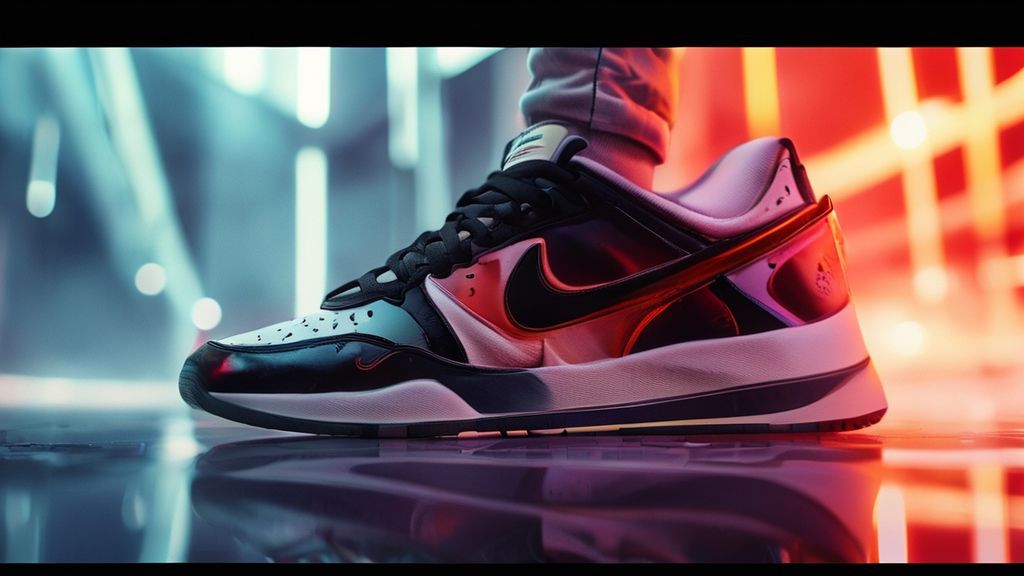
Plate · The Grand Refinement: Nike's Strategic Consolidation and the Evolving Tapestry of Luxury Sportswear
In the rarefied air of global fashion, where legacy brands continually recalibrate their compass amidst shifting consumer currents and technological advancements, Nike, the undisputed titan of performance wear and a formidable force in luxury athleisure, has unveiled a strategic maneuver poised to redefine its operational blueprint. The announcement of consolidating its U.S. distribution centers, leading to the unfortunate but strategically necessary reduction of 775 positions, is not merely a business decision; it is a profound declaration of intent, signaling a future-forward vision for supply chain excellence and an unwavering commitment to the discerning modern consumer.
From the hallowed halls of high fashion to the dynamic arenas of competitive sport, Nike's influence is ubiquitous, its iconic swoosh a symbol of both athletic prowess and sartorial aspiration. This latest operational refinement, while undoubtedly complex and sensitive due to its human impact, must be viewed through the lens of a luxury heritage brand adapting with prescience to the digital age. It speaks to a broader industry trend where agility, efficiency, and a seamless customer experience are no longer mere advantages, but fundamental prerogatives for enduring relevance and sustained growth in the premium fashion landscape.
The Shifting Tides of Retail and Logistics in Luxury Fashion
The retail landscape, particularly within the luxury and premium segments, has undergone a seismic transformation over the past decade. The advent of e-commerce, accelerated by global events, has fundamentally altered how consumers discover, desire, and acquire fashion. For a brand of Nike's stature, which straddles the realms of high-performance sportswear and aspirational lifestyle, the imperative to optimize its logistical infrastructure has become paramount. Consumers today expect not just exquisite design and unparalleled quality, but also instantaneous gratification, personalized experiences, and transparent, sustainable practices.
This evolving consumer psyche demands a supply chain that is not only robust but also remarkably agile and intelligent. The traditional model of sprawling, disparate distribution hubs, while once efficient, can now prove cumbersome in an era defined by direct-to-consumer (DTC) strategies, real-time inventory management, and the intricate dance of global shipping. Nike's decision to consolidate is a testament to its understanding that the physical architecture of its operations must mirror the digital fluidity of its customer interactions. It is about crafting a more responsive, integrated ecosystem capable of delivering everything from a limited-edition sneaker drop to a personalized performance garment with unparalleled speed and precision.
A Legacy Reimagined for the Digital Epoch
Nike's storied history is replete with moments of groundbreaking innovation, from revolutionary footwear technologies to pioneering marketing campaigns that have shaped global culture. This strategic recalibration of its distribution network is, in many ways, an extension of that legacy. It's an internal innovation, less visible than a new product launch, but equally vital for the brand's long-term vitality and its continued dominance in the luxury sportswear market. By streamlining its U.S. operations, Nike is investing in a future where its physical supply chain is as cutting-edge as its product design and digital engagement platforms.
This move allows Nike to leverage advanced automation, artificial intelligence, and sophisticated data analytics to predict demand, manage inventory with greater accuracy, and reduce lead times. Such capabilities are indispensable for a brand that constantly pushes the boundaries of design, material science, and personalized offerings. It ensures that the creative brilliance emanating from its design studios can be translated into tangible products delivered to consumers with utmost efficiency, maintaining the premium experience synonymous with the Nike brand.
The Strategic Imperative: Consolidation for Precision and Prowess
The consolidation of distribution centers is a complex undertaking, yet for a brand like Nike, it offers a multitude of strategic advantages that align perfectly with its high-end market positioning and global ambitions. It's a move designed to enhance operational efficiency, reduce environmental footprint, and ultimately elevate the customer journey, which is paramount in the luxury sphere.
- Enhanced Speed to Market: Fewer, larger, and more technologically advanced centers mean faster processing, packing, and shipping of products, crucial for meeting the demands of an instant-gratification culture. This is especially vital for time-sensitive luxury drops and seasonal collections.
- Optimized Inventory Management: Centralized data and advanced analytics allow for a more holistic view of inventory across the U.S., minimizing stockouts and overstock, and ensuring that coveted items are available where and when they are most desired.
- Cost Efficiencies: While the initial investment in consolidation is substantial, the long-term benefits include reduced operational costs, lower energy consumption, and optimized transportation networks, contributing to a healthier bottom line and enabling further investment in innovation and sustainability.
- Sustainability Initiatives: Streamlined logistics often lead to a reduction in transportation emissions and packaging waste, aligning with Nike's broader commitment to sustainable practices and appealing to the environmentally conscious luxury consumer.
- Personalized Customer Experience: A more efficient backend enables sophisticated personalization, from customized packaging to tailored delivery options, reinforcing the premium feel of every Nike purchase.
"In the relentless pursuit of peak performance, both on the track and in the market, strategic agility is paramount. This consolidation is not merely about logistics; it's about engineering a future-proof foundation for enduring brand excellence."
Impact on the Workforce and Community
While the strategic benefits are clear, the human element of such a large-scale operational shift cannot be understated. The reduction of 775 positions at distribution centers in Memphis, Tennessee, represents a significant impact on the affected individuals and their communities. Nike, as a global corporate citizen, faces the critical task of managing this transition with empathy and support.
In the luxury sector, brand reputation is meticulously built not only on product quality but also on ethical practices and corporate responsibility. It is expected that Nike will provide comprehensive support packages, including severance, outplacement services, and career counseling, to assist employees in navigating this change. Such measures are crucial for maintaining brand integrity and demonstrating a commitment to its workforce, even amidst difficult strategic decisions for long-term vitality.
Nike's Vision for the Future of Sportswear and Beyond
This consolidation is intrinsically linked to Nike's broader strategic pillars, particularly its intensified focus on direct-to-consumer (DTC) engagement and digital transformation. By taking greater control over its distribution, Nike can foster more direct relationships with its clientele, gather invaluable first-party data, and tailor offerings with unprecedented precision. This is the essence of modern luxury retail – a personalized, seamless journey from initial interest to post-purchase engagement.
- Direct-to-Consumer (DTC) Acceleration: Streamlined logistics are critical for the success of Nike's DTC channels, including its website, SNKRS app, and Nike stores, allowing for greater control over the brand experience and profitability.
- Digital Innovation: The move supports Nike's investment in digital tools and platforms, ensuring that the physical delivery mechanism keeps pace with the sophistication of its online presence and customer engagement strategies.
- Personalized Offerings: A refined supply chain can better support the customization and personalization of products, a growing trend in luxury fashion, enabling Nike to offer unique, tailored items to its most discerning customers.
- Global Market Responsiveness: While U.S.-focused, this optimization serves as a blueprint for global best practices, enhancing Nike's ability to respond quickly to market trends and consumer demands worldwide.
- Brand Storytelling and Experience: With greater control over the final mile, Nike can enhance the unboxing experience, which is a crucial touchpoint in luxury retail, reinforcing the premium narrative.
"Nike isn't just selling shoes; it's selling an aspirational lifestyle. Consolidating our backbone is about ensuring that every step of that journey, from design to delivery, resonates with the excellence our customers expect." - A hypothetical Nike executive
The Intersection of Performance and Luxury Fashion
Nike's enduring appeal in the luxury fashion landscape is undeniable. Its collaborations with high-profile designers and fashion houses, its presence on runways, and its influence on streetwear culture underscore its unique position. This operational consolidation, while seemingly utilitarian, ultimately serves to strengthen Nike's capacity to continue innovating at this intersection.
A highly efficient supply chain allows Nike to pivot quickly, respond to trends, and bring limited-edition, premium collections to market with unparalleled speed. This agility is crucial for maintaining relevance in the fast-paced world of luxury fashion, where exclusivity and timeliness are highly prized. It ensures that the artistic vision of its design teams, whether for a performance running shoe or a high-fashion collaboration, can be brought to life and delivered to the most discerning clientele without compromise.
Concluding Insights: The Evolving Blueprint of a Global Icon
Nike's decision to consolidate its U.S. distribution centers and the associated job reductions, while a challenging chapter, represents a calculated and strategic evolution for a brand that has consistently demonstrated its ability to adapt and thrive. It is a powerful statement about the future of retail logistics within the luxury and premium sportswear sectors, emphasizing efficiency, digital integration, and an unwavering focus on the elevated customer experience.
This move is not merely about cost-cutting; it is about future-proofing, about building a more resilient, responsive, and ultimately more profitable enterprise capable of navigating the complexities of the 21st-century global marketplace. As Nike continues to blend unparalleled performance with cutting-edge style, its operational backbone must be as finely tuned as the athletes it champions and the fashionistas it inspires. This strategic refinement ensures that Nike remains not just a purveyor of exceptional products, but a visionary architect of the future of luxury athleisure, poised for its next era of dominance.