From Verdant Whimsy to Scarlet Authority: Meryl Streep Reimagines Miranda Priestly’s Enduring Style Legacy in New York
Meryl Streep's iconic Miranda Priestly gets a hypothetical sartorial update, evolving from unexpected green satin to commanding red patent, embodying a new era of power dressing in Manhattan.
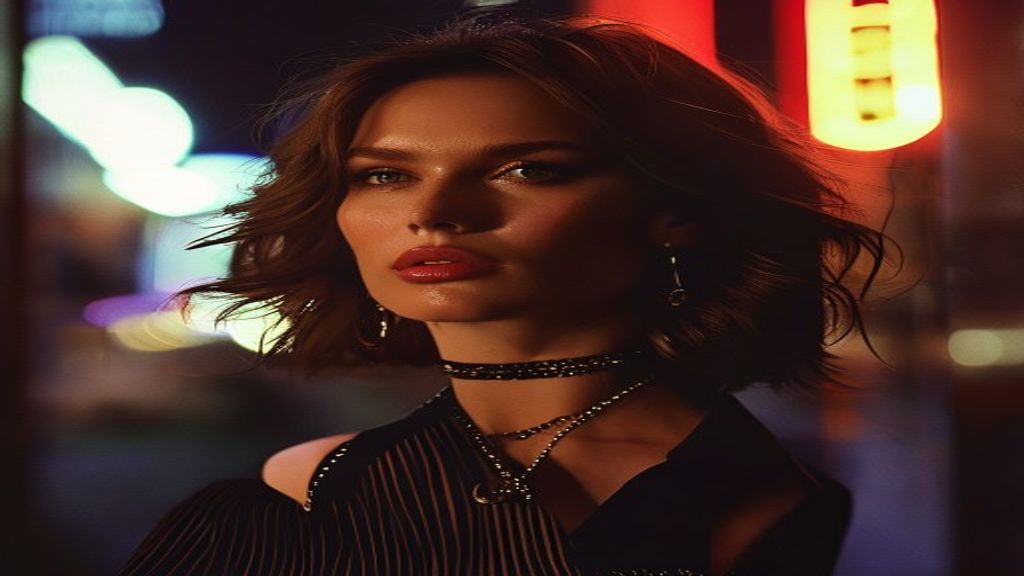
Plate · From Verdant Whimsy to Scarlet Authority: Meryl Streep Reimagines Miranda Priestly’s Enduring Style Legacy in New York
In the rarefied echelons of cinematic fashion, few figures cast a shadow as long and impeccably tailored as Miranda Priestly. The legendary editor-in-chief of Runway magazine, brought to life with glacial precision and unparalleled panache by Meryl Streep in The Devil Wears Prada, remains an indelible blueprint for power dressing. Now, as the fashion world perpetually speculates on a hypothetical The Devil Wears Prada 2, the very notion of Miranda’s stylistic evolution becomes a tantalizing editorial proposition. We imagine Meryl Streep, with her profound understanding of character and costume, orchestrating a sartorial journey for Miranda, transitioning her from the unexpected whisper of 'green spotted satin' – a nod to a perhaps softer, more traditionally opulent past – to the unequivocal, audacious declaration of 'red patent' in the pulsating heart of New York.
This imagined metamorphosis isn't merely a shift in fabric and hue; it’s a profound commentary on the evolution of power, luxury, and the very essence of a woman who dictates global style. It speaks to a Miranda Priestly who, while eternally formidable, embraces a contemporary edge, shedding any vestiges of the past for a bolder, more assertive future. Streep’s brilliance lies in her ability to infuse even the most minute wardrobe detail with narrative weight, transforming mere garments into potent symbols of character.
The Priestly Paradigm: A Legacy Etched in Chic
Miranda Priestly’s original aesthetic was a masterclass in understated authority and impeccable taste. Her wardrobe, a meticulously curated collection of designer couture, luxury fabrics, and bespoke tailoring, spoke volumes without uttering a word. From the sharp lines of a Chanel tweed jacket to the fluid drape of a Prada silk dress, every ensemble was a strategic choice, designed to command respect and project an aura of unassailable confidence. Her signature looks — the pristine white cashmere coat, the ubiquitous Hermès Birkin bag, the perfectly coiffed silver bob, and the ever-present oversized sunglasses — became synonymous with executive chic and sartorial elegance.
“Fashion is not about utility. An accessory is merely a punctuation mark, a small, inexpensive way to express a personal style.” – Miranda Priestly (The Devil Wears Prada)
Her style was a testament to quiet luxury long before the term became a trending hashtag. It was about intrinsic quality, timeless design, and an inherent understanding of what truly makes a garment powerful. She wasn’t chasing trends; she was setting the standard, embodying a form of power dressing that transcended fleeting fads. The impact of her character reverberated through the industry, influencing runway trends and inspiring a generation of women to dress with purpose and conviction. Her wardrobe was a carefully constructed armor, each piece a testament to her unwavering vision and uncompromising standards.
The Original Palette: Nuance and Authority
- Structured Silhouettes: Impeccably tailored blazers, pencil skirts, and wide-leg trousers formed the backbone of her wardrobe.
- Neutral Dominance: A sophisticated palette of charcoal grey, navy, black, and pristine white, punctuated by occasional rich jewel tones.
- Iconic Accessories: Statement necklaces, exquisite designer handbags, and high-heeled pumps (often Manolo Blahnik or Christian Louboutin) were essential.
- Signature Outerwear: Luxurious coats in cashmere, wool, or fur, often in bold, clean lines.
A Metamorphosis in Manhattan: From Verdant Whimsy to Scarlet Authority
The journey from 'green spotted satin' to 'red patent' is a narrative arc in itself, charting Miranda’s evolution within the dynamic landscape of New York. It suggests a shedding of certain stylistic vestiges and an embrace of a more overt, contemporary power. This isn't merely a change of clothes; it’s a symbolic representation of a woman who, having already conquered the publishing world, now dictates her terms with even greater audacity.
The Ghost of Green Spotted Satin Past: A Subtle Opulence
Imagine the 'green spotted satin' as a relic, perhaps from a high-society gala years ago, or a rare, unexpected choice from a past collection – a moment of whimsical luxury that, while elegant, lacked the stark, unapologetic edge of her later ensembles. Green satin, particularly spotted, evokes a certain traditional glamour, perhaps a nod to a more European sensibility or a specific vintage couture piece. It speaks to a time when Miranda might have allowed a touch more decorative flourish, a subtle softness beneath the formidable exterior. This fabric, while undoubtedly rich and expensive, might signify a less confrontational, more subtly opulent form of expression, a quiet luxury that hinted at wealth rather than overtly declared power. It could be a fleeting moment of vulnerability or a stylistic choice from a bygone era that Streep, ever the meticulous character architect, would use to illustrate a point of departure.
The Resurgence of Red Patent: A New Power Play
Now, consider the 'red patent.' This is not merely a color; it’s a statement. It’s not just a fabric; it’s an attitude. Red patent leather screams unbridled confidence, a fearless embrace of modernity, and an undeniable assertion of dominance. In the context of a new decade, in the unrelenting spotlight of New York, Miranda Priestly in red patent is a force of nature. This material, with its high-gloss finish and vibrant hue, reflects the city lights, the flashbulbs, and the unwavering gaze of her empire. It’s a deliberate choice for a woman who has no need for subtlety, whose authority is absolute. This could manifest in:
- A razor-sharp red patent trench coat, commanding attention on Fifth Avenue.
- Sleek red patent pumps, clicking with decisive precision through the corridors of her expanded empire.
- A structured red patent handbag, a contemporary counterpoint to her classic Birkin.
- Or even a bold red patent skirt, paired with a pristine white silk blouse, a modern interpretation of her signature power uniform.
This shift signifies a Miranda who is not just maintaining her status but actively redefining it, pushing the boundaries of executive fashion. It’s a style that is both timeless and aggressively contemporary, reflecting her unyielding relevance in an ever-changing industry. It's a visual metaphor for her sharpened edge, her unwavering vision, and her continued reign at the apex of global fashion.
New York as a Character: The Urban Runway
New York City, with its relentless pace and unparalleled glamour, is more than just a backdrop for Miranda Priestly; it is an extension of her persona. The city itself is a character, a vibrant, demanding stage upon which her sartorial dramas unfold. From the iconic avenues of Manhattan to the exclusive galleries and high-octane fashion week events, every locale demands a specific level of polish and presence. The transition from a softer, perhaps more traditional aesthetic to the bold, uncompromising red patent is perfectly suited to the city’s unyielding demand for innovation and impact.
“Miranda’s style isn’t just about clothing; it’s about an entire ecosystem of power and precision, meticulously curated for the world’s most demanding city.”
Imagine Miranda, cloaked in her red patent, navigating the bustling streets, each stride a testament to her unwavering control. Her outfits are not just clothing; they are urban armor, designed to withstand the scrutiny of the world's most critical eyes. The evolution of her wardrobe reflects the city’s own constant reinvention, a testament to the fact that true style, much like New York, is both enduring and eternally cutting-edge.
The Art of the Narrative Wardrobe: Streep's Genius
Meryl Streep’s portrayal of Miranda Priestly is a masterclass in character development through nuance, and costume plays an integral role. Streep, alongside brilliant costume designers, understood that Miranda’s wardrobe was not merely beautiful but profoundly narrative. Each piece, from the texture of a fabric to the cut of a silhouette, contributed to the multifaceted portrayal of a woman who was formidable, occasionally vulnerable, and always, unequivocally, in charge.
Her ability to embody Miranda with such conviction meant that every outfit became a tool for storytelling. The initial green spotted satin, if indeed it were a part of her past, would have been chosen with deliberate intent by Streep and her team, perhaps to show a slight deviation, a moment of unexpected texture that contrasted with her usual severity. The shift to red patent, then, would be a conscious decision to amplify her authority, to present a Miranda who is even more formidable, more in command of her narrative and her empire.
Streep’s genius lies in making these stylistic choices feel organic, an extension of the character’s internal world. She understands that celebrity style, especially for a character of Miranda’s stature, must be meticulously crafted to convey an entire worldview. It’s why Miranda Priestly remains one of the most compelling fashion icons in cinematic history – a testament to Streep’s profound understanding of how clothing shapes perception and defines destiny.
Concluding Insights: The Enduring Reign of Sartorial Power
The imagined journey of Miranda Priestly, guided by the inimitable Meryl Streep, from the elegant whisper of 'green spotted satin' to the bold roar of 'red patent,' offers a fascinating glimpse into the evolution of power dressing and sophisticated glamour. It underscores the idea that true style is not static; it adapts, it evolves, and it always maintains its core essence of authority and impeccable taste.
Miranda Priestly’s legacy isn’t just about the clothes she wears; it’s about the attitude she embodies, the unwavering vision she possesses, and the profound impact she has on the world around her. This hypothetical stylistic transformation, from a more traditional luxury to a contemporary, assertive boldness, proves that her reign as a fashion icon is far from over. It’s a testament to Meryl Streep’s unparalleled ability to create characters who transcend the screen, becoming enduring symbols of ambition, elegance, and the timeless allure of high fashion. In the bustling heart of New York, Miranda Priestly, in her audacious red patent, would undoubtedly continue to set the standard, proving that some legends only grow bolder with time.