From Museum Masterpieces to Modern Milestones: The Met's Costume Art & A.P.C.'s New Artistic Direction Shape Fashion's Narrative
This week, the Met's enduring influence on fashion takes center stage as A.P.C. unveils a new artistic director, signaling a pivotal shift in Parisian minimalist design.
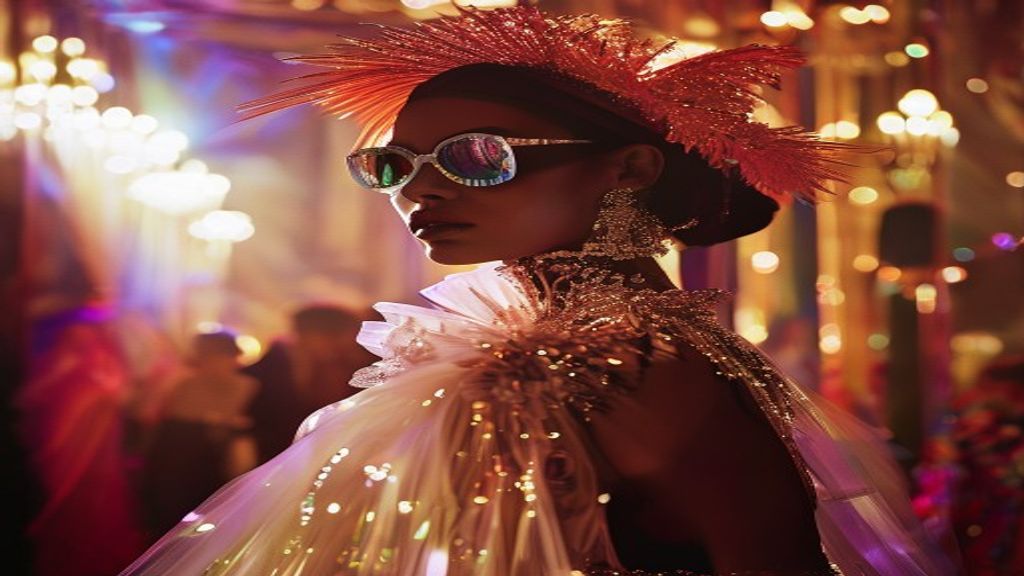
Plate · From Museum Masterpieces to Modern Milestones: The Met's Costume Art & A.P.C.'s New Artistic Direction Shape Fashion's Narrative
In the ephemeral yet enduring world of fashion, two distinct but equally potent forces converged this week, underscoring the industry's perpetual dance between historical reverence and future-forward innovation. On one hand, the reverberations of the Metropolitan Museum of Art's Costume Institute continue to shape the global sartorial conversation, demonstrating how meticulously curated "costume art" transcends mere display to become a living, breathing source of inspiration. On the other, the revered Parisian house A.P.C. announced a significant leadership transition, naming a new Artistic Director tasked with steering its iconic minimalist aesthetic into a new era. These developments, disparate in their immediate focus, collectively illuminate the dynamic weave of fashion's ongoing narrative: a dialogue between the grandeur of the past and the imperative of contemporary relevance.
The Met's "Costume Art": A Dialogue Between Eras
The Metropolitan Museum of Art's Costume Institute exhibitions are more than mere retrospectives; they are profound academic and artistic statements that consistently redefine the boundaries of dress as an art form. Each year, the accompanying Met Gala becomes a global spectacle, but it is the meticulous scholarship and breathtaking presentation within the museum walls that truly elevates "costume" to "art." This week, the lingering impact of recent exhibitions continues to resonate, proving that the curatorial lens applied to historical garments directly influences contemporary design discourse and consumer perception. Designers, from the established titans of haute couture to emerging talents, frequently cite the Costume Institute's thematic explorations as foundational to their collections, drawing inspiration from specific silhouettes, textile innovations, and cultural contexts presented.
The Institute's approach to fashion history is not simply about showcasing beautiful clothes; it's about dissecting their sociological, technological, and aesthetic significance. By juxtaposing periods, cultures, and design philosophies, the Met provides a rich tapestry for understanding fashion's role in society. This intellectual rigor transforms garments from utilitarian objects into powerful cultural artifacts, demonstrating how dress reflects, challenges, and shapes human experience. The recent focus on themes exploring the ephemeral, the sacred, and the technological in fashion has pushed designers to reconsider material science, sustainable practices, and the very concept of wearability. It’s a powerful testament to the museum’s ability to spark dialogue that extends far beyond its hallowed halls, permeating mood boards, design studios, and ultimately, the racks of luxury ready-to-wear.
"The Met's exhibitions are not merely displays of garments; they are profound dialogues with history, challenging our perceptions of beauty, utility, and artistic expression, and undeniably shaping the future of design."
The Curatorial Lens: Shaping Sartorial Discourse
The discerning eye of the Costume Institute's curators plays a pivotal role in shaping global sartorial discourse. Their choices – the designers highlighted, the historical periods examined, the conceptual frameworks applied – act as powerful directives, guiding the industry's gaze. This sophisticated curation recontextualizes historical motifs, breathing new life into forgotten techniques and re-evaluating the legacies of designers whose work might otherwise fade into obscurity. The influence is multifaceted, impacting everything from the grand theatricality of runway shows to the subtle details of everyday luxury basics. It fosters a deeper appreciation for the artisanal craftsmanship of the past and encourages a more thoughtful approach to contemporary creation.
- Influence on Haute Couture Collections: Designers often draw direct inspiration from historical silhouettes, embellishment techniques, and fabric manipulations showcased, reinterpreting them with modern sensibilities for their most exclusive lines.
- Inspiration for Ready-to-Wear Silhouettes: The broader themes and stylistic periods explored by the Met translate into commercial trends, influencing the cut, proportion, and detailing of mass-produced garments.
- Recontextualizing Historical Techniques: Exhibitions highlight intricate embroidery, advanced tailoring, and innovative textile development from past eras, prompting contemporary designers to explore similar artisanal methods.
- Driving Cultural Conversations Around Dress: The Met's narratives spark discussions on identity, gender, technology, and sustainability within fashion, moving beyond mere aesthetics to deeper cultural significance.
- Archival Research and Preservation: The Institute's commitment to preserving and studying fashion archives provides an invaluable resource for designers seeking authentic historical references.
The ongoing impact of the Met's "costume art" is a testament to the enduring power of history and context in a rapidly evolving industry. It underscores that true innovation often stems from a profound understanding of what has come before, allowing designers to build upon a rich foundation rather than simply reacting to fleeting trends. This intellectual framework enriches the entire fashion ecosystem, from the conceptualization of a collection to the final garment worn by the discerning consumer.
A New Chapter for A.P.C.: Lucas Moreau's Vision
Concurrently, a significant announcement from Paris signaled a new trajectory for one of France's most influential minimalist brands: A.P.C. (Atelier de Production et de Création). Renowned for its understated French chic, impeccable quality, and iconic raw denim, A.P.C. has cultivated a loyal following since its inception in 1987 under Jean Touitou. The brand has consistently championed a philosophy of refined utility, offering elevated staples that form the backbone of a modern wardrobe. The appointment of Lucas Moreau as its new Artistic Director marks a pivotal moment, signaling a considered evolution for a brand that has, until now, largely maintained a singular, founder-driven vision. Moreau's arrival is not merely a change in personnel; it is a strategic move to infuse fresh creative energy while meticulously safeguarding the brand's cherished heritage.
A.P.C.'s strength has always resided in its unwavering commitment to quality, timeless design, and a certain intellectual rigor in its approach to fashion. It carved a niche by offering an antidote to overt branding and fleeting trends, prioritizing durability and sophisticated simplicity. The challenge for any new creative lead at A.P.C. is to introduce novelty and contemporary relevance without diluting the very essence that defines its appeal. Moreau, with his rumored background in conceptual design and a keen eye for material innovation, appears poised to navigate this delicate balance. His appointment suggests a desire to subtly expand A.P.C.'s repertoire, perhaps exploring new fabrications, refining existing silhouettes, and subtly broadening the brand's aesthetic language, all while retaining its core identity as a purveyor of intelligent, understated luxury.
"A.P.C. has always represented an understated rebellion, a commitment to true utility and sophisticated simplicity. The challenge now is to evolve without diluting that essence, and Lucas Moreau brings the precise sensitivity required."
Preserving the Essence, Forging New Paths
Lucas Moreau's tenure as Artistic Director is anticipated with a blend of curiosity and optimism. His mandate will undoubtedly involve honoring A.P.C.'s denim heritage, which remains a cornerstone of the brand, while simultaneously exploring avenues for growth and renewed creative expression. This could manifest in several ways, from a deeper dive into sustainable practices to the introduction of more conceptual capsule collections that push the boundaries of minimalist design. The brand's global footprint and dedicated customer base provide a robust platform for Moreau to articulate his vision, ensuring that A.P.C. remains a touchstone for contemporary fashion that values authenticity and enduring style over transient fads. The transition reflects a broader industry trend where established houses seek to revitalize their creative direction while maintaining a steadfast connection to their brand DNA.
- Reinforcing the Brand's Commitment to Quality Denim: Expect new washes, fits, and perhaps innovative treatments that elevate A.P.C.'s signature denim offerings, maintaining its status as a benchmark.
- Expanding into New Material Explorations: Moreau may introduce novel fabrics and sustainable alternatives, pushing the brand's textile innovation while adhering to its minimalist ethos.
- Refining the Contemporary Minimalist Aesthetic: A subtle evolution of silhouettes, color palettes, and detailing that feels fresh and relevant for the modern consumer without straying from A.P.C.'s clean lines.
- Cultivating a Global Yet Distinctly Parisian Identity: Balancing international appeal with the brand's inherent French chic, possibly through targeted collaborations or expanded product categories.
- Strategic Brand Collaborations: While A.P.C. has a history of discerning partnerships, Moreau might explore new creative alliances that align with his vision and introduce the brand to new audiences.
The fashion world will be keenly observing how Moreau interprets and expands upon A.P.C.'s legacy. His success will hinge on his ability to innovate with restraint, ensuring that each new collection feels like a natural progression rather than a radical departure. The brand's future collections under his guidance are expected to be a masterclass in understated elegance, proving that true style does not shout, but rather, resonates with quiet authority.
Concluding Insights: The Dynamic Weave of Fashion's Future
This week's top fashion news, spanning the profound impact of the Met's "costume art" and A.P.C.'s strategic artistic shift, paints a vivid picture of an industry constantly in motion. It underscores a fundamental truth: fashion's future is inextricably linked to its past. The Met's meticulous curation of historical garments provides an indispensable wellspring of inspiration, a reminder that innovation often springs from a deep understanding of heritage and context. Simultaneously, the appointment of Lucas Moreau at A.P.C. exemplifies the industry's continuous need for fresh creative vision, demonstrating that even the most established brands must evolve to remain relevant in a dynamic global market. Both events highlight the intricate interplay between art and commerce, history and modernity, shaping a narrative where sartorial excellence is both revered and reimagined. As the fashion landscape continues to shift, these touchstones – the reverence for artistic legacy and the courage for creative renewal – will undoubtedly remain the guiding principles for its enduring allure and cultural significance.