Meredith Alloway Conjures Style and Spells in Feature Debut ‘Forbidden Fruits’
Director Meredith Alloway blends haute couture and dark magic in ‘Forbidden Fruits,’ a debut feature that redefines witchy horror with comedic flair and visual artistry.
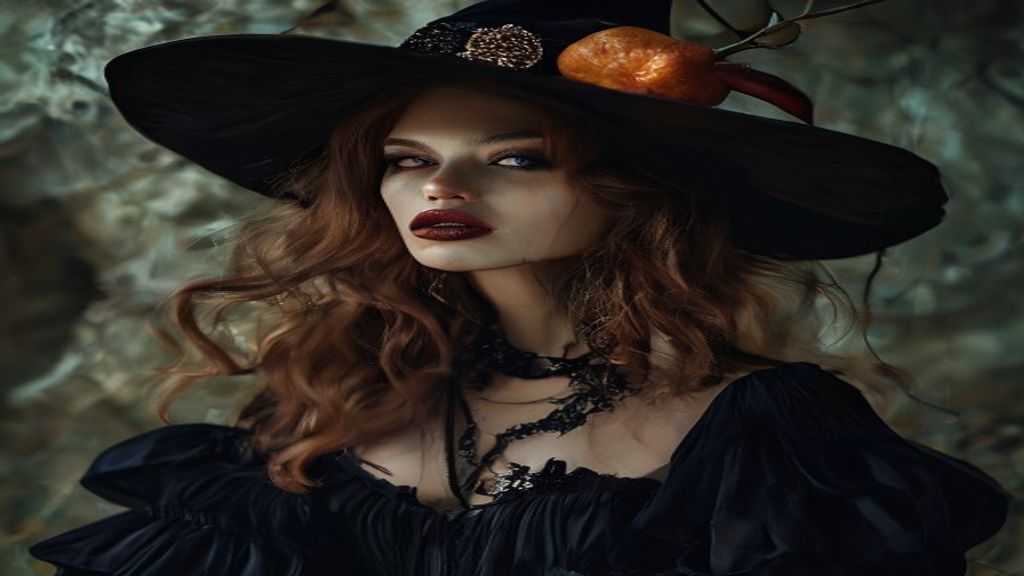
Plate · Meredith Alloway Conjures Style and Spells in Feature Debut ‘Forbidden Fruits’
In the ever-evolving tapestry of cinematic expression, where genre boundaries blur and visual artistry takes precedence, a distinctive new voice has emerged. Meredith Alloway, with her feature debut ‘Forbidden Fruits,’ offers a compelling synthesis of witchy horror and dark comedy, rendered with an aesthetic precision that commands attention. This is not merely a film; it is a meticulously crafted world, a sartorial statement, and a testament to the power of independent vision. Alloway’s distinctive approach, steeped in a reverence for visual narrative and an astute understanding of character through design, positions ‘Forbidden Fruits’ as more than a genre piece; it is a significant entry into the canon of films that celebrate the interplay between storytelling and high fashion.
A Vision Conjured: The Genesis of 'Forbidden Fruits'
Alloway’s journey to ‘Forbidden Fruits’ is rooted in a fascination with the subversive, the arcane, and the beautifully macabre. Her directorial philosophy eschews overt jump scares in favor of an insidious dread, woven into the very fabric of the narrative. The film’s premise, which delves into the esoteric rituals and power dynamics of a coven, provides a rich canvas for exploring themes of ambition, betrayal, and the intoxicating allure of forbidden knowledge. Alloway masterfully crafts a universe where the supernatural is not an external force, but an intrinsic part of the characters’ psychological landscapes, manifested often through their outward presentation. This nuanced perspective allows for a more profound engagement with the material, elevating it beyond typical horror tropes. Her influences, subtly evident in the film's textural richness and psychological depth, span from classic gothic literature to the avant-garde cinema of the 1970s, culminating in a unique design philosophy that is both contemporary and timeless. It's a testament to her vision that the film feels both familiar in its genre leanings and utterly fresh in its execution, a delicate balance achieved through meticulous attention to detail and an unwavering commitment to a cohesive aesthetic.
Costume as Character: Decoding the Film's Sartorial Spell
Perhaps the most striking element of ‘Forbidden Fruits,’ particularly for the discerning eye attuned to visual language, is its impeccable costume design. Here, clothing transcends mere adornment, becoming an eloquent extension of character, plot, and thematic resonance. Each ensemble is a deliberate choice, a sartorial whisper or a bold declaration that amplifies the narrative’s witchy undertones and comedic timing. The film’s witches are not clad in stereotypical rags; rather, they embody a sophisticated, often opulent, gothic chic. We see voluminous silhouettes in deep, jewel-toned velvets and silks, contrasted with sharp, bespoke tailoring that speaks to their power and precision.
The interplay of fabrication is paramount: shimmering lamé, delicate lace, and heavy brocades are not just textiles; they are tools of world-building. A character’s transformation or descent into darker magic is often mirrored by a shift in their wardrobe—from ethereal, almost innocent whites to rich, foreboding blacks and crimson, accessorized with antique silver or intricate, custom-made jewelry. This meticulous attention to detail extends to every element, from the cut of a sleeve to the choice of footwear, ensuring a cohesive luxury aesthetic throughout. The costumes are not simply beautiful; they are imbued with narrative weight, reflecting internal struggles and external power plays. Alloway understands that fashion is a language, and in ‘Forbidden Fruits,’ it speaks volumes.
“The costumes in 'Forbidden Fruits' are not just clothes; they are an extension of the characters' souls, their secrets, and their power.”
This approach elevates the film’s visual appeal, cementing its place within the discourse of fashion film. It’s a masterclass in how wardrobe can articulate complex emotional states and societal roles, moving beyond superficial trends to embody a timeless sense of style. The careful curation of each look ensures that the film resonates with connoisseurs of both cinema and premium fashion, offering a feast for the eyes that is as intellectually stimulating as it is visually arresting. The blend of vintage allure with contemporary edge creates a unique visual signature, demonstrating a deep understanding of historical fashion references while pushing boundaries for modern interpretation.
The Aesthetics of Witchcraft: Visual Storytelling
Beyond the threads, Alloway’s vision permeates every frame through sophisticated cinematography and production design. The visual palette of ‘Forbidden Fruits’ is a study in contrasts: stark, moonlit exteriors give way to sumptuously decorated interiors, often bathed in a soft, eerie glow. Mood lighting plays a crucial role, creating an atmosphere that is both inviting and unsettling. Stylized sets, replete with esoteric artifacts and antique furnishings, underscore the coven’s ancient lineage and their connection to forbidden knowledge. Each prop, like each garment, feels deliberately chosen, contributing to a cohesive dark fantasy aesthetic. The camera work itself is often fluid and deliberate, mimicking the characters’ graceful yet predatory movements, drawing the viewer into their clandestine world. This avant-garde visual approach ensures that the film is not just watched, but experienced, immersing the audience in its unique stylistic universe. The cinematic trends of merging high art with genre storytelling find a potent expression here, crafted with an eye for detail typically reserved for much larger productions.
Humor in the Shadows: The Comedy-Horror Blend
What truly sets ‘Forbidden Fruits’ apart is its audacious embrace of dark comedy amidst the supernatural dread. Alloway skillfully navigates the delicate balance between genuine scares and moments of acerbic wit, preventing the film from succumbing to genre clichés. The humor is often derived from the absurdity of power dynamics within the coven, the mundane irritations of eternal life, or the sheer audacity of certain magical mishaps. This comedic layering provides crucial relief, making the horror elements more impactful when they do arrive, and allowing for a more complex character development. Performances are finely tuned to this duality, with actors delivering lines with a deadpan precision that underscores the inherent ridiculousness of their mystical predicaments. It’s a refreshing take on the genre, proving that terror and laughter are not mutually exclusive but can, in fact, enhance one another, creating a richer, more engaging narrative tapestry. This genre fusion speaks to a modern sensibility, one that appreciates narratives that defy easy categorization and embrace the multifaceted nature of human (and superhuman) experience.
Independent Spirit, Premium Vision
As a feature debut, ‘Forbidden Fruits’ is a remarkable achievement, particularly within the independent cinema landscape. Alloway demonstrates an uncanny ability to craft a premium vision with the resourcefulness inherent to independent filmmaking. Every frame feels intentional, every stylistic choice considered, suggesting a director with a clear, unwavering artistic compass. This commitment to aesthetic excellence, often a challenge without major studio backing, is a testament to her ingenuity and dedication. The film stands as a beacon for emerging filmmakers, proving that a singular vision, coupled with meticulous execution, can transcend budgetary limitations to produce a work of significant artistic merit. Its impact on filmmaking trends is subtle yet profound, encouraging a shift towards more visually sophisticated, genre-bending narratives that prioritize artistic integrity. Alloway's work here is a powerful argument for the vitality of independent voices in shaping the future of cinematic storytelling, particularly those with a keen eye for fashion and design.
Meredith Alloway: A New Voice in Cinematic Style
Meredith Alloway emerges from ‘Forbidden Fruits’ not just as a director, but as an auteur with a distinctive design philosophy. Her work is characterized by:
- A meticulous approach to costume design, where clothing functions as narrative and character development.
- A sophisticated use of color palettes and lighting to establish mood and atmosphere.
- An ability to seamlessly blend disparate genres, creating fresh, engaging narratives.
- A commitment to visual storytelling that prioritizes aesthetic richness and textural detail.
- An emphasis on character psychology, often expressed through external presentation.
Her directorial signature is one of elegant subversion, marrying the dark and the beautiful with an effortless grace. She is poised to become a significant force in both independent cinema and the broader cultural conversation around fashion film, offering a unique perspective that is both intellectually stimulating and visually captivating.
Concluding Insights
‘Forbidden Fruits’ is more than just a debut; it is a meticulously constructed statement on style, power, and the allure of the arcane. Meredith Alloway has not only delivered a compelling witchy comedy horror but has also crafted a visually opulent experience that resonates deeply within the premium fashion sphere. Her ability to weave intricate costume narratives with dark humor and genuine suspense marks her as a director keenly aware of the power of aesthetic detail. The film stands as a testament to the idea that independent cinema can produce works of profound luxury and stylistic innovation. Alloway’s distinctive voice, her unwavering commitment to a cohesive visual language, and her nuanced understanding of character through sartorial expression position her as a formidable talent whose future endeavors will undoubtedly continue to push the boundaries of cinematic and fashion storytelling. We anticipate her next creations with keen interest, expecting further explorations into the beautiful, the bizarre, and the utterly chic.