Dreams and Nightmares: Meek Mill's Standoff with Nike Over LeBron Collection Ignites IP Debate in Streetwear
Philly's own Meek Mill calls out Nike for allegedly leveraging his iconic 'Dreams and Nightmares' anthem for a LeBron collection, sparking a crucial dialogue on intellectual property and cultural ownership in the high-stakes world of sneaker and luxury sportswear collaborations.
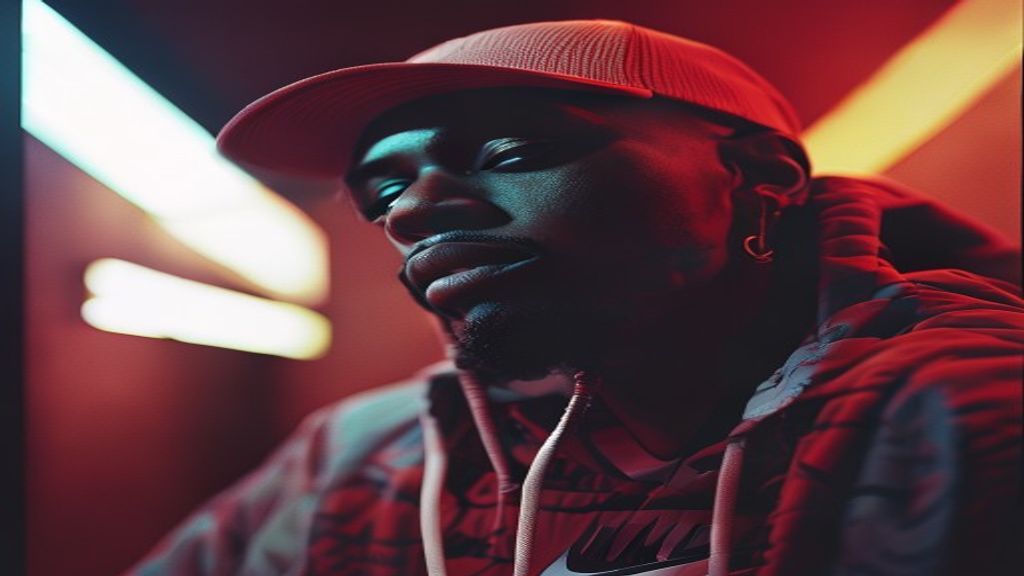
Plate · Dreams and Nightmares: Meek Mill's Standoff with Nike Over LeBron Collection Ignites IP Debate in Streetwear
The Unwritten Rules of the Game: Meek Mill’s Nike Call-Out
In the ever-evolving nexus where high fashion, street culture, and athletic prowess converge, the lines of inspiration, homage, and outright appropriation frequently blur. This intricate dance, often orchestrated by global brands with expansive reach, has once again been thrust into the spotlight, this time with an undeniable force from one of hip-hop's most authentic voices. Philadelphia’s own Meek Mill, a titan whose narrative of grit and triumph is etched into the very fabric of contemporary culture, has publicly challenged Nike, the undisputed behemoth of sportswear, over the alleged use of his seminal work, “Dreams and Nightmares,” within a new LeBron James collection. This isn't merely a celebrity skirmish; it's a potent commentary on intellectual property, cultural ownership, and the ethical parameters of collaboration in the multi-billion-dollar luxury sportswear and streetwear fashion industries. The implications ripple far beyond sneaker culture, questioning the very mechanisms by which cultural capital is valued, borrowed, and monetized.
At its core, this dispute forces a critical examination of how mega-brands engage with the grassroots creativity that often fuels their most successful campaigns and product lines. For Meek Mill, “Dreams and Nightmares” is more than just a song or an album title; it’s a deeply personal manifesto, a cultural touchstone that has transcended genre and medium to become an anthem for resilience across sports, music, and everyday life. When a brand like Nike, synonymous with innovation and cultural zeitgeist, is accused of leveraging such an iconic piece of intellectual property without proper attribution or compensation, it ignites a conversation that the fashion and entertainment ecosystems can no longer afford to ignore. This incident underscores a persistent tension: the immense power of corporate entities to shape narratives versus the inherent rights of individual artists to control and benefit from their creative output.
The Anthem and Its Legacy: “Dreams and Nightmares” in Cultural Context
Released in 2012, Meek Mill’s “Dreams and Nightmares” is a masterclass in duality, a raw, visceral journey from the depths of struggle to the pinnacle of success. Its opening track, famed for its dramatic beat switch and Meek’s impassioned storytelling, has become a cultural phenomenon. Beyond its platinum sales and critical acclaim, the track has cemented itself as an unofficial anthem for triumph, particularly within the sports world. From NFL locker rooms to NBA arenas, its explosive energy is routinely used to ignite crowds and rally teams, embodying the very spirit of overcoming adversity. In Philadelphia, it's practically a civic anthem, resonating deeply with the city's tenacious spirit and its underdog mentality, often played during pivotal moments for the Eagles, 76ers, and Phillies.
The cultural penetration of “Dreams and Nightmares” extends far beyond sports. It has been sampled, referenced, and celebrated across various artistic expressions, becoming a shorthand for aspirational grit and the pursuit of greatness. This ubiquitous presence underscores its immense cultural capital and, by extension, its significant intellectual property value. For an artist, a work that achieves such widespread cultural resonance becomes an extension of their identity and legacy. It's a testament to their journey, their vision, and their impact. To see such a powerful piece of one’s creative catalog allegedly repurposed or alluded to by a global brand without explicit permission or acknowledgment strikes at the heart of an artist's ownership and the integrity of their creative labor. This isn't just about a name; it's about the cultural weight and emotional resonance embedded within that name, painstakingly built over a decade by Meek Mill.
When Worlds Collide: Nike, LeBron, and the Alleged Infringement
The specific items and collection at the heart of this controversy reportedly involve Nike's ongoing collaboration with NBA superstar LeBron James, a partnership that consistently pushes the boundaries of luxury sportswear and limited-edition sneakers. While exact design details connecting directly to Meek Mill's work might be subtle or implicit, the core of Meek’s contention revolves around the alleged adoption of his album and song title, “Dreams and Nightmares.” Nike and LeBron’s collaborations are renowned for their narrative depth, often drawing inspiration from LeBron’s personal journey, his roots, and his cultural impact. This makes the alleged appropriation even more pointed, as it suggests a bypass of direct creative exchange in favor of leveraging pre-existing cultural resonance.
Nike has a long-standing history of tapping into the pulse of popular culture, from iconic athlete endorsements to groundbreaking designer collaborations. Their marketing prowess is unparalleled, often weaving compelling narratives around their products that resonate deeply with consumers. LeBron James, as a cultural icon in his own right, brings immense star power and a dedicated following to any collection bearing his name. The synergy between Nike and LeBron has yielded some of the most coveted streetwear aesthetics and collectible apparel designs in recent memory. However, this incident casts a shadow on the ethical considerations within such high-profile partnerships. It raises questions about the due diligence performed by brands when drawing inspiration from the broader cultural landscape, especially when that landscape is so demonstrably shaped by specific artists and their creations.
“In the current landscape of hyper-collaborative streetwear, the line between homage and appropriation has never been finer. This isn't just about a title; it's about the very soul of a movement.”
The alleged use of “Dreams and Nightmares” by Nike, if proven, highlights a larger systemic issue within the fashion industry: the tendency for major corporations to benefit from the cultural output of artists, particularly those from hip-hop and urban communities, without engaging in equitable partnerships. This isn't the first time an artist has raised concerns about their intellectual property being utilized without permission, and it likely won't be the last. However, given the immense profiles of all parties involved—Meek Mill, Nike, and LeBron James—this particular instance carries significant weight, forcing a re-evaluation of industry standards and the respect afforded to creative originators.
The Artist's Voice: Meek Mill's Stance on Intellectual Property
Meek Mill’s public call-out was not merely a fleeting social media post; it was a firm declaration of ownership and a demand for respect. His frustration stems from the deep personal connection he has to “Dreams and Nightmares.” It’s a track that encapsulates his life story, his struggles with the justice system, his rise from poverty, and his unwavering pursuit of success. For Meek, this body of work represents more than just commercial success; it's an emblem of his identity and an inspiration to millions globally who identify with his journey. When a brand allegedly co-opts such a personal and culturally significant piece of work, it feels like a violation of that hard-won legacy.
Meek Mill has consistently been a vocal advocate for artist empowerment and social justice. His stance against Nike aligns with his broader commitment to ensuring that creators, especially those from underrepresented backgrounds, are fairly compensated and recognized for their contributions. This isn't just about a single instance of alleged infringement; it's about setting a precedent. If major brands can freely leverage the intellectual and cultural capital of artists without proper licensing agreements or acknowledgment, it undermines the entire creative economy and devalues the very labor that generates these cultural touchstones. His call-out serves as a powerful reminder that while hip-hop fashion and streetwear aesthetics are increasingly integrated into the global fashion market, the foundational respect for the creators behind these movements must not be overlooked.
Brand Power vs. Creative Rights: A Fashion Industry Reckoning
Nike's Playbook: Collaboration, Influence, and IP Boundaries
Nike’s strategic approach to brand building is legendary. They have mastered the art of cultural resonance, often by aligning with the most influential figures in sports, music, and design. Their history is replete with groundbreaking collaborations that have shaped sneaker culture and luxury sportswear. From Air Jordans to Travis Scott’s coveted releases, Nike understands the power of synergy. However, this incident forces a look at the fine line between drawing inspiration from the zeitgeist and directly leveraging specific intellectual property without proper channels. While brands often claim “inspiration” from broader cultural movements, the alleged use of a direct song and album title crosses into a more legally and ethically precarious territory.
The legal landscape surrounding intellectual property in fashion, music, and sports is complex. Titles, phrases, and themes can sometimes fall into a gray area if not explicitly trademarked or if their usage is deemed generic. However, when a title is as distinct and culturally loaded as “Dreams and Nightmares” and directly associated with a prominent artist, the argument for accidental overlap becomes significantly weaker. This incident challenges Nike to demonstrate its commitment to ethical fashion practices and respect for artist rights, especially as the brand continues to expand its influence into high-end apparel design and designer collaborations, where authenticity and creative integrity are paramount.
The Stakes for Streetwear and Luxury Sportswear
This controversy holds significant ramifications for the entire streetwear and luxury sportswear ecosystem. In an industry built on authenticity, cultural relevance, and storytelling, accusations of intellectual property infringement can severely damage brand integrity. Consumers, particularly those deeply embedded in sneaker culture and hip-hop fashion, are increasingly discerning and demand transparency and ethical conduct from the brands they support. A perceived slight against an artist like Meek Mill, who commands immense respect and loyalty, can lead to backlash and erode consumer trust.
Furthermore, the incident highlights a critical challenge for the future of collaborations. If artists feel their work is vulnerable to unauthorized use, it could create a chilling effect, making them more hesitant to engage in partnerships or to share their creative vision openly. This would ultimately stifle innovation and limit the rich cultural exchange that has defined the most successful brand-artist collaborations. The fashion industry, which thrives on constant cultural infusion, must prioritize robust frameworks for licensing agreements and artist compensation to ensure a sustainable and equitable creative economy.
Beyond the Court: The Cultural Impact and Future of Collaborations
Navigating the New Frontier of Fashion Law and Ethics
The Meek Mill vs. Nike dispute underscores the urgent need for clearer guidelines and stronger enforcement of fashion law as it intersects with music and celebrity endorsement. While copyright law protects musical compositions and sound recordings, the protection of titles and short phrases can be more ambiguous. However, the cumulative effect of using a prominent title associated with an iconic cultural work, especially in a commercial context, raises significant ethical and potentially legal questions about unfair competition and trademark infringement if the public is led to believe there's an association that doesn't exist. Brands are increasingly expected to perform thorough due diligence, not just for legal compliance but for cultural sensitivity and ethical sourcing of ideas.
This incident could serve as a catalyst for brands to re-evaluate their internal processes for creative development and collaboration. It necessitates a more proactive approach to securing explicit permissions and engaging in transparent, mutually beneficial partnerships with artists. The global fashion market is too interconnected, and consumer awareness too high, for brands to operate without considering the full spectrum of intellectual property and cultural ownership implications.
A Call for Transparency and Equity in Partnerships
Ultimately, Meek Mill’s call-out is a powerful plea for greater transparency and equity in brand-artist partnerships. It’s a demand for recognition of the immense value that artists bring to the table, not just as endorsers but as originators of culture. For Nike, a brand that prides itself on innovation and cultural leadership, this is an opportunity to reinforce its commitment to ethical practices and to set a new standard for how corporations engage with creative talent. This means moving beyond transactional relationships to genuine collaborations built on respect, fair compensation, and shared vision.
“This isn't just a sneaker dispute; it's a litmus test for how the fashion industry values the intellectual and cultural capital of the artists who fuel its trends.”
The conversation sparked by Meek Mill is a vital one for the evolution of streetwear and luxury sportswear. It pushes the industry to consider not just what sells, but what is right, and how to build a more equitable future where the creators of culture are truly empowered and respected for their invaluable contributions. It’s a moment for all stakeholders—brands, artists, and consumers—to reflect on the true cost of cultural appropriation versus the immeasurable value of authentic collaboration.
Concluding Insights: A Pivotal Moment for Cultural Ownership
The standoff between Meek Mill and Nike over the alleged use of “Dreams and Nightmares” for a LeBron collection transcends a mere commercial dispute; it marks a pivotal moment in the ongoing dialogue surrounding intellectual property and cultural ownership within the high-stakes world of fashion, music, and sports. This incident lays bare the persistent tension between corporate powerhouses seeking to tap into the zeitgeist and the fundamental rights of artists to control and benefit from their creative labor. It highlights that the cultural capital generated by hip-hop artists, which has profoundly shaped streetwear aesthetics and global fashion trends, demands explicit respect and equitable engagement.
The ramifications of this controversy will undoubtedly influence future brand collaboration strategies. Brands are now more than ever under scrutiny to demonstrate genuine respect for creative origins, moving beyond superficial appropriation towards authentic, mutually beneficial partnerships. For artists, Meek Mill’s bold stance serves as a powerful reminder and an emboldening precedent for asserting their intellectual property rights. It underscores that their creations are not merely content for corporate consumption but valuable assets intrinsically linked to their identity and legacy.
As the fashion industry continues its relentless pursuit of cultural relevance, the ethical framework for design inspiration, celebrity endorsement, and intellectual property licensing must evolve. This moment calls for increased transparency, robust legal safeguards, and a renewed commitment to fair play. The “Dreams and Nightmares” controversy is not just about a song title; it's about the soul of a movement and the integrity of the creative economy. Its resolution, whatever form it takes, will undoubtedly shape the future landscape of brand-artist relationships, pushing the industry towards a more respectful and equitable model of cultural exchange.