Martin Wong, the High Priest of Lowbrow, Lives On at P·P·O·W and Wrightwood 659
Explore Martin Wong's subversive vision, a master of urban realism and cultural critique, as his seminal works are celebrated at P·P·O·W and Wrightwood 659, redefining art and style.
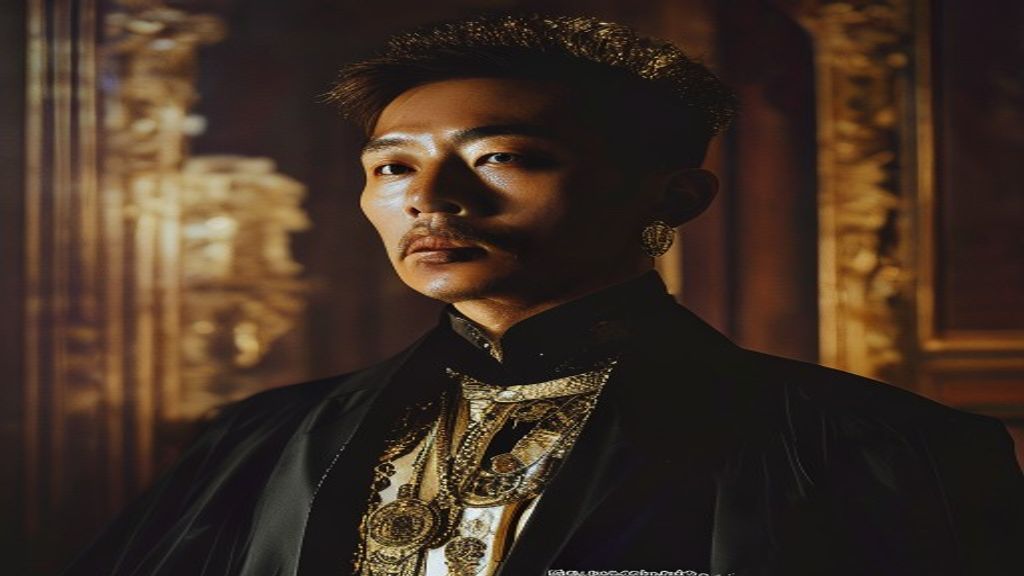
Plate · Martin Wong, the High Priest of Lowbrow, Lives On at P·P·O·W and Wrightwood 659
Introduction: The Unseen Elevated
In the rarefied air of contemporary art, certain visionaries emerge whose work transcends categorization, reshaping our perception of beauty and narrative. Martin Wong, often heralded as the "High Priest of Lowbrow," is such a figure. His meticulously rendered canvases, steeped in the gritty poetry of urban life, offered an unflinching yet deeply empathetic gaze into the marginalized corners of society. Now, a profound resurgence of interest in Wong’s oeuvre is cemented by two pivotal exhibitions: P·P·O·W in New York City and Wrightwood 659 in Chicago. These concurrent presentations provide an unparalleled opportunity to delve into the intricate world of an artist whose unique blend of street vernacular, celestial mysticism, and profound humanism continues to resonate with startling relevance, influencing not only art discourse but also the very aesthetic currents that inform contemporary fashion and design.
Wong’s art is a testament to the power of observation, a meticulous cataloging of the unseen and the overlooked. His work, characterized by its distinctive visual language and an unwavering commitment to its subjects, invites a reconsideration of what constitutes high art. Through his eyes, the mundane becomes monumental, the forgotten finds its voice, and the raw energy of the street is elevated to a realm of profound artistic expression. This dual exhibition offers a comprehensive journey through Wong's creative arc, affirming his indelible mark on American art history and his unexpected, yet undeniable, influence on the broader landscape of visual culture and style.
The Urban Canvas: Wong's Unique Lens
A Life Forged in Two Cities
Born in Portland, Oregon, and raised in the San Joaquin Valley, Martin Wong's artistic journey was anything but conventional. He initially pursued ceramics, cultivating a tactile sensitivity that would later inform the textured surfaces of his paintings. His early years were marked by a peripatetic spirit, leading him to the vibrant counter-culture of San Francisco in the 1970s. It was there that he honed his distinctive style, absorbing the visual cacophony of street art, graffiti, and diverse cultural expressions. However, it was his move to New York City's Lower East Side in 1978 that truly defined his artistic voice. Immersing himself in a community rife with burgeoning artistic movements, social struggles, and a vibrant queer scene, Wong found his true subject matter: the pulsating, often harsh, reality of urban existence.
His paintings from this period are vivid chronicles of a neighborhood undergoing profound transformation. Wong didn't just paint the Lower East Side; he imbued it with a soul, capturing its inhabitants, its architecture, and its inherent contradictions. This deep engagement with his environment allowed him to craft a visual lexicon that was both intensely personal and universally resonant, a quality that continues to captivate and inspire.
Decoding the Iconography
Wong's canvases are rich tapestries woven with recurring symbols and motifs, each imbued with layers of meaning. His iconic brick walls, rendered with almost architectural precision, serve as both backdrop and metaphor, representing the resilience and confinement of urban life. Celestial bodies—stars, planets, and comets—often punctuate his dark cityscapes, offering a glimmer of hope or a sense of cosmic destiny. Firemen, a recurring heroic figure, symbolize protection and community, while his intricate depictions of storefronts and signage speak to consumerism, aspiration, and the fleeting nature of urban commerce.
The inclusion of Chinese calligraphy, often integrated as poetic couplets or personal messages, speaks to his heritage and a desire to bridge cultural divides. Wong's profound engagement with the human figure, particularly men of color and those from marginalized communities, is central to his work. He portrayed his subjects with dignity and tenderness, capturing their vulnerabilities and strengths. These elements, meticulously crafted and thoughtfully arranged, invite viewers into a complex narrative, a visual storytelling that is both raw and poetic.
“Wong’s canvases are not merely paintings; they are meticulously rendered worlds, a testament to the profound beauty found within the overlooked.”
P·P·O·W: A New York Homecoming
The exhibition at P·P·O·W, Wong's long-standing gallery, feels like a homecoming, a poignant return to the city that so profoundly shaped his artistic identity. Titled "Martin Wong: Malicious Mischief," this presentation focuses on a crucial period of his career, primarily his New York works from the 1980s. The show highlights Wong's acute observation of the Lower East Side's social dynamics, its vibrant graffiti culture, and the burgeoning AIDS crisis that tragically claimed many lives, including his own in 1999.
P·P·O·W’s curatorial approach emphasizes the subversive nature of Wong’s work, his ability to infuse seemingly mundane scenes with a sense of wonder and criticality. The exhibition showcases his masterful command of oil painting, from the luminous quality of his night scenes to the tactile realism of his brickwork. Visitors are invited to experience the visceral energy of Wong's New York, a city he loved and documented with unwavering devotion. The selection of works underscores his role as a chronicler of a specific time and place, yet his themes of identity, community, and resilience remain strikingly relevant in today's discourse.
- Key Themes Highlighted at P·P·O·W:
- Urban Realism and Social Commentary
- Graffiti and Street Culture Integration
- Queer Identity and Representation
- The Poetry of the Everyday
- Architectural Detail and Symbolism
Wrightwood 659: A Comprehensive Retrospective
Concurrently, Wrightwood 659 in Chicago presents "Martin Wong: Human Instamatic," a monumental retrospective that offers a panoramic view of the artist's entire career. This exhibition, co-organized with the Loisaida Center, is a comprehensive survey, tracing Wong's evolution from his early ceramic works and San Francisco explorations to his definitive New York period and his final works created back in California. "Human Instamatic" positions Wong as a pivotal figure in late 20th-century American art, underscoring the breadth and depth of his artistic practice.
The Chicago presentation provides critical context, allowing viewers to understand the continuity of Wong's visual language and thematic concerns across different phases of his life. It delves into his meticulous archive of photographs, sketches, and personal ephemera, revealing the rigorous research and profound empathy that underpinned his artistic process. This exhibition solidifies Wong's place in art history, not merely as a painter of the Lower East Side, but as a visionary who challenged artistic conventions and expanded the very definition of what art could be. The sheer scale and meticulous curation of "Human Instamatic" make it an indispensable experience for anyone seeking to understand Wong’s enduring legacy and his profound contribution to visual culture.
“His legacy transcends the canvas, a relentless pursuit of truth and beauty in the periphery, influencing not just art, but the very fabric of visual culture.”
The Fashion Resonance: Style Beyond the Canvas
Martin Wong's singular aesthetic, born from the crucible of urban experience, holds an undeniable resonance within the world of fashion. His meticulous rendering of urban street style and architectural silhouettes offers a rich visual lexicon for contemporary designers. The grittiness and authenticity embedded in his work mirror the luxury streetwear movement, where high fashion embraces the raw energy of the street. Wong’s bold color palettes, often featuring deep blues, earthy browns, and vibrant reds, combined with his graphic compositions, find echoes in avant-garde fashion collections that challenge traditional forms and embrace dramatic visual statements.
The artisanal quality of his detailed brickwork and painted textures feels akin to the bespoke craftsmanship celebrated in haute couture. Each brushstroke, like a carefully placed stitch, contributes to a larger, intricate narrative. His subjects, often adorned in everyday attire—denim jackets, workwear, simple shirts—are elevated to iconic status through his gaze, much like how designer collections reimagine utilitarian garments with elevated fabrics and construction. This transformation of the ordinary into the extraordinary is a core principle in modern cultural fashion.
Wong's keen eye for signage, typography, and textile art within his paintings could inspire print and pattern development for contemporary apparel. The visual storytelling inherent in his art, depicting diverse identities and urban narratives, aligns perfectly with fashion's increasing focus on inclusivity and authenticity. Designers seeking to infuse their work with a sense of history, a vintage revival, or a profound connection to urban chic find an inexhaustible source of inspiration in Wong's oeuvre. His ability to capture the soul of a place and its people offers a powerful blueprint for creating meaningful style narratives that transcend mere aesthetics, speaking to deeper cultural and human truths.
Concluding Insights: An Enduring Legacy
The concurrent exhibitions at P·P·O·W and Wrightwood 659 unequivocally affirm Martin Wong's status as a formidable and essential voice in American art. His unique vision, which seamlessly blended social realism with a mystical sensibility, continues to challenge, provoke, and inspire. Wong’s art serves as a powerful reminder of the beauty and resilience found in the margins, and the importance of documenting those narratives that are often overlooked by dominant culture.
His meticulous craft, profound empathy, and unwavering commitment to his subjects have left an indelible mark on the landscape of visual art. Beyond the canvas, Wong’s aesthetic influence permeates discussions of urban identity, subculture, and the elevation of vernacular forms, finding unexpected resonance in the evolving world of fashion and design. As these exhibitions demonstrate, Martin Wong, the High Priest of Lowbrow, does not merely live on; his spirit and vision continue to illuminate, guiding us towards a richer, more nuanced understanding of art, life, and the enduring power of authentic expression.