Maison Margiela FW26: From Parisian Flea Market to Shanghai Shipyard – A Masterclass in Deconstruction
John Galliano's latest Artisanal collection for Maison Margiela FW26 masterfully blends Parisian vintage with Shanghai's industrial grit, redefining luxury.
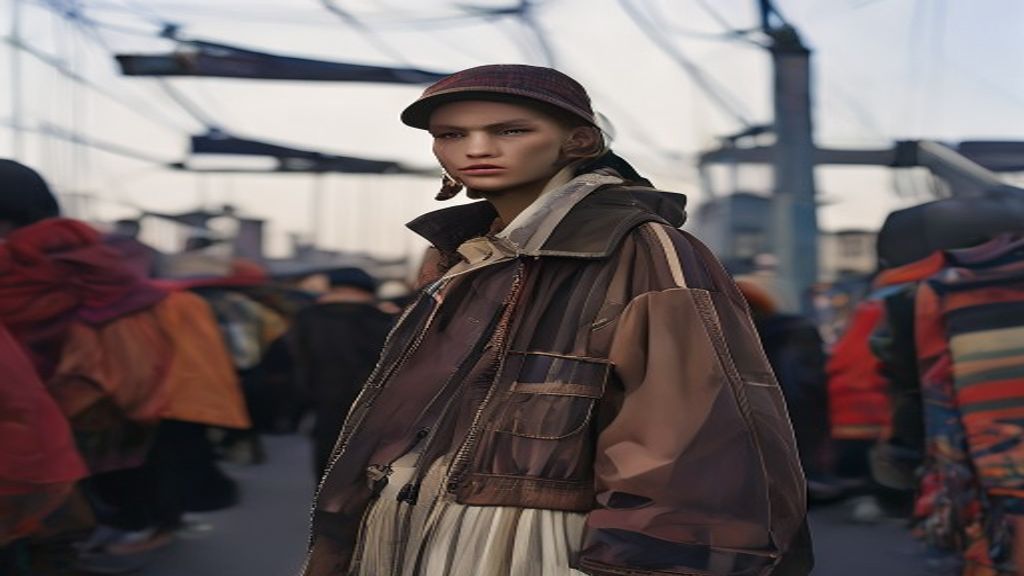
Plate · Maison Margiela FW26: From Parisian Flea Market to Shanghai Shipyard – A Masterclass in Deconstruction
Maison Margiela FW26: From Parisian Flea Market to Shanghai Shipyard – A Masterclass in Deconstruction
The fashion landscape, ever in flux, frequently seeks new narratives, but few houses articulate them with the profound intellectual rigor and emotional resonance of Maison Margiela under John Galliano. For Fall/Winter 2026, the venerable Parisian house embarked on an audacious voyage, transporting the very essence of a Parisian flea market – its history, its discarded treasures, its inherent romance – to the stark, industrial expanse of a Shanghai shipyard. This wasn't merely a backdrop; it was a conceptual crucible, forging a collection that simultaneously looked back to fragmented pasts and forward to a reconfigured future of luxury.
The choice of Shanghai, a city synonymous with rapid evolution and a vibrant intersection of tradition and modernity, was deliberate. It offered a potent counterpoint to the nostalgic charm of a French marché aux puces. The raw concrete, the towering cranes, the echoing vastness of the shipyard provided a dramatic stage for Galliano’s latest Artisanal offering, emphasizing the collection's themes of reconstruction, utility, and the beauty found in imperfection. This audacious juxtaposition underscored Margiela’s commitment to pushing boundaries, not just in design, but in the very experience of fashion.
The Artisanal Narrative: A Symphony of Found Objects
Galliano's genius lies in his ability to weave complex narratives through fabric and form. For FW26, the story began with the act of 'gleaning' – a meticulous process of sourcing and recontextualizing. Imagine the dusty aisles of Clignancourt, the faded grandeur of forgotten heirlooms, the patina of time-worn objects. These elements were not simply referenced; they were physically incorporated, transformed, and elevated. Each garment told a fragmented story, a palimpsest of previous lives.
The collection was a testament to extreme craftsmanship, a hallmark of the Artisanal line. Fabrics were not merely cut and sewn; they were excavated, layered, distressed, and reassembled with surgical precision. This approach transcended mere upcycling; it was about imbuing new meaning into the discarded, creating garments that felt both ancient and utterly contemporary. The meticulous handwork involved in this process made each piece a unique artifact, a wearable sculpture.
“Margiela doesn't just present clothes; it presents an ideology. FW26 is a masterclass in challenging our perceptions of value and beauty.”
Deconstructing Heritage, Reconstructing Identity
The collection's core revolved around a deconstructive philosophy that extended beyond mere aesthetics. Galliano dismantled classic silhouettes – trench coats, tailored jackets, ball gowns – and reassembled them with unexpected proportions and unconventional closures. Seams were exposed, linings became exteriors, and traditional sartorial rules were gleefully subverted. This wasn't chaos; it was a highly controlled exploration of form and function, revealing the inner workings of garments and, by extension, the inner workings of identity.
Key elements of this deconstruction included:
- Trompe l'oeil effects: Painted details mimicked historical embroidery or distressed textures, blurring the lines between reality and illusion.
- Layered transparency: Delicate tulles and organzas were draped over more robust fabrics, creating ethereal depth and hinting at what lay beneath.
- Asymmetrical cuts: Hems were uneven, collars skewed, and sleeves mismatched, lending a dynamic, almost kinetic energy to the garments.
- Exposed construction: Basting stitches, raw edges, and unfinished hems celebrated the process of creation, rather than concealing it.
The Silhouettes: A Dialogue Between Past and Present
The silhouettes presented a fascinating tension between historical grandeur and utilitarian pragmatism. There were voluminous capes crafted from what appeared to be repurposed tapestries, juxtaposed with sharply tailored trousers fashioned from industrial-grade canvas. The signature Margiela Tabi boot, ever-present, was reimagined with distressed finishes and unexpected material combinations, further cementing its status as an icon of avant-garde footwear.
Outerwear as Narrative
Outerwear was particularly strong, serving as a primary canvas for Galliano’s vision. Oversized coats, often with exaggerated shoulders or trailing hems, seemed to carry the weight of history. Some featured intricate patchwork, combining fragments of antique brocades with modern technical fabrics. Others were treated with a process that mimicked years of wear and exposure, resulting in a rich, nuanced patina that felt deeply authentic.
The trench coat, a perennial staple, was utterly transformed. One iteration featured a collapsed collar and a re-proportioned storm flap, giving it a slouchy, lived-in elegance. Another was pieced together from various shades of khaki and olive, creating a multi-tonal effect that spoke of accumulation and evolution. These weren't just garments; they were protective shells, imbued with character.
Draping, Volume, and the Body
Beneath the powerful outerwear, dresses and skirts explored themes of draping and volume. Fluid silks, often in muted, almost dusty hues, were gathered and ruched, creating soft, undulating forms that moved with grace. There was a sense of liberation in these pieces, a departure from rigid structures. Yet, even in their fluidity, a subtle tailoring discipline was evident, ensuring each drape fell with purpose.
“This collection is a poignant reflection on memory, waste, and the enduring power of human ingenuity.”
Materiality and the Margiela Palette
The material palette was a masterclass in textural interplay. Robust wools, often felted or distressed, met the delicate fragility of antique lace. Industrial plastics and metallic elements were seamlessly integrated with organic cottons and raw silks. The juxtaposition was never jarring; instead, it created a harmonious tension that felt distinctly Margiela.
Colors were largely subdued, reflective of the flea market's faded glories and the shipyard's utilitarian hues. Earthy browns, charcoal greys, dusty blues, and muted greens formed the backbone, punctuated by unexpected flashes of faded rose, tarnished gold, or a deep, oxidized copper. This restrained palette allowed the intricate textures and complex constructions to truly shine, emphasizing the artisanal craft over overt spectacle.
The Margiela Code: A Continued Evolution
Galliano's tenure at Maison Margiela has been defined by a profound respect for the house's enigmatic founder, Martin Margiela, while simultaneously propelling its avant-garde ethos into new territories. FW26 was no exception. The iconic four white stitches, subtly anchoring the numerical label, were present, a quiet nod to brand identity. But the collection’s true Margiela-ness lay in its philosophical approach: the elevation of the overlooked, the re-examination of beauty standards, and the relentless pursuit of conceptual depth over superficial trends.
This collection solidified Galliano’s position as a visionary capable of translating complex ideas into compelling, albeit challenging, fashion. It spoke to a sophisticated consumer, one who appreciates the narrative, the craftsmanship, and the intellectual provocation inherent in each piece. It's not merely ready-to-wear; it's ready-to-think.
Concluding Insights: A New Definition of Luxury
Maison Margiela FW26, staged against the formidable backdrop of a Shanghai shipyard, was more than a fashion show; it was a powerful artistic statement. It challenged conventional notions of luxury, suggesting that true value lies not in pristine newness, but in history, transformation, and the artistry of human hands. By bringing the Parisian flea market to Shanghai, Galliano created a global dialogue on consumption, sustainability, and the enduring power of creative reconstruction.
The collection offered a compelling vision for the future of fashion: one that embraces imperfection, celebrates the narrative of materials, and finds beauty in the unexpected fusion of cultures and contexts. It wasn't just about what we wear, but about what stories our clothes tell, and how they reflect our ever-evolving relationship with the world around us. Maison Margiela continues to define the cutting edge, offering garments that are not just objects of desire, but profound cultural artifacts.