The Dematerialization of Desire: Luxury's Existential Grapple with Value
As the gilded cages of haute couture shift, luxury brands confront a profound re-evaluation of worth, challenging the very fabric of their opulent existence in an ever-evolving market.
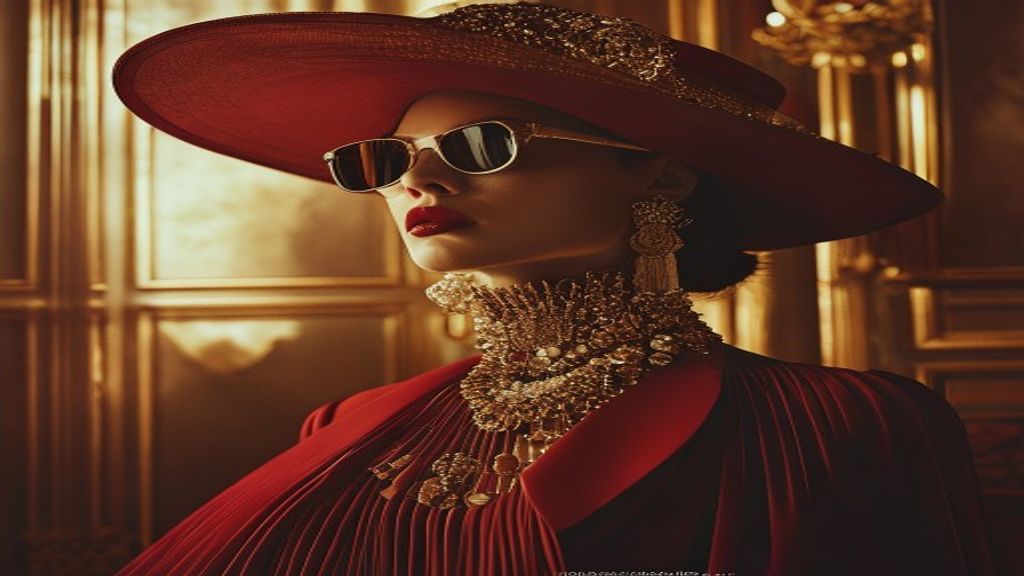
Plate · The Dematerialization of Desire: Luxury's Existential Grapple with Value
In the rarefied atmosphere of high fashion, where the ephemeral meets the eternal, a seismic tremor is unsettling the very foundations of value. Luxury, once an unassailable bastion of exclusivity and inherent worth, finds itself at a critical juncture, grappling with a complex equation where price no longer unilaterally dictates perception. The modern consumer, imbued with an unprecedented digital fluency and a heightened ethical consciousness, is recalibrating their internal scales, demanding more than mere heritage or ostentation. This isn't merely a market correction; it is a profound philosophical interrogation of what luxury truly signifies in the 21st century.
The traditional pillars of luxury – scarcity, craftsmanship, legacy, and an almost mythical narrative – are not crumbling, but they are certainly being re-contextualized. The digital ether, once a mere conduit, has become a crucible, forging new paradigms of desire and access. As a senior editor, observing this metamorphosis from the vantage point of the avant-garde, it's clear that brands must transcend the superficial allure of the price tag and dive into the deeper currents of meaning, relevance, and a re-imagined authenticity.
The Shifting Sands of Scarcity: A New Consumer Paradigm
The very concept of scarcity, once the bedrock of luxury's mystique, is undergoing a radical redefinition. In an era of hyper-connectivity and globalized production, true scarcity is a more elusive beast. The digital realm, while offering unparalleled reach, simultaneously democratizes desire, making the once-unobtainable visible, if not always tangible, to all. This visual ubiquity, paradoxically, can dilute the perceived exclusivity of even the most coveted designer handbags or couture gowns.
The Digital Democratization of Desire
Social media platforms, once tools for aspirational marketing, have morphed into forums for critical discourse. Influencers, micro and macro, wield significant power, shaping narratives and challenging established hierarchies. A luxury watch showcased by a non-traditional voice can resonate differently than one presented in a glossy editorial. This democratization means that value is no longer solely dictated by the brand's self-proclaimed status but is co-created and validated by a decentralized, discerning audience. Streetwear aesthetics, once anathema to high fashion, have infiltrated and redefined what is considered desirable, blurring the lines between high and low, exclusive and accessible.
The Experience Economy's Ascendancy
Beyond tangible goods, the contemporary luxury consumer increasingly seeks profound experiences. Owning a limited-edition sneaker is one thing; attending an immersive fashion show in a remote, surreal location, or participating in a bespoke atelier experience, is another. These experiential touchpoints offer a deeper, more personal connection to the brand's ethos, fostering loyalty that transcends seasonal collections. The price, in these instances, is not just for an object, but for a memory, a feeling, a moment of curated transcendence.
“Luxury's true currency is no longer just gold thread or rare leather; it is the indelible imprint left on the soul of the discerning consumer.”
Deconstructing the Price Tag: Beyond Artisanal Allure
For decades, the price of a luxury item was intrinsically linked to its perceived craftsmanship, the exoticism of its materials, and the heritage of its maison. While these elements remain crucial, they are no longer sufficient to justify escalating price points in the face of increased transparency and a shifting ethical landscape. Consumers are asking tougher questions, scrutinizing supply chains, and demanding accountability.
The Illusion of Exclusivity
Many luxury brands, in their pursuit of growth and market share, have expanded their product lines, venturing into more accessible price points with items like luxury accessories, perfumes, and even entry-level ready-to-wear. While this strategy broadens appeal, it risks diluting the core brand identity and the aura of exclusivity that once justified premium pricing. The challenge lies in maintaining desirability across a spectrum of accessibility without cheapening the brand's ultimate vision. The rapid proliferation of fast fashion replicas further complicates this, forcing brands to emphasize their unique narrative and quality over mere aesthetic.
Sustainability as a New Metric of Value
The discerning consumer of today is not just buying a product; they are investing in a philosophy. Sustainability, ethical sourcing, and transparency are no longer niche concerns but fundamental expectations. A brand's commitment to sustainable fashion practices, from eco-friendly materials to fair labor, adds an immeasurable layer of value that can justify a higher price point far more effectively than an arbitrary markup. This shift represents a profound moral reckoning within the fashion industry, where true luxury is increasingly synonymous with responsibility.
Key factors influencing modern luxury value beyond price:
- Authenticity: A genuine brand story and consistent ethos.
- Sustainability: Ethical sourcing, production, and circularity initiatives.
- Exclusivity (Reimagined): Limited editions, bespoke services, and unique experiences.
- Emotional Resonance: Products that evoke strong feelings or personal connections.
- Cultural Relevance: Brands that engage with contemporary art, music, and social movements.
- Digital Innovation: Seamless integration of technology in design, retail, and engagement.
“The true cost of luxury now includes the ecological footprint and the ethical ledger, a transparency that redefines opulence.”
The Praxis of Authenticity: Reclaiming Narrative
In an increasingly saturated market, where every brand vies for attention, the ability to articulate a compelling, authentic narrative is paramount. This goes beyond mere marketing; it's about the very soul of the brand, its enduring purpose, and its contribution to the cultural lexicon.
Craftsmanship vs. Cult of Personality
While the allure of a celebrity endorsement can drive initial sales, long-term value is still rooted in the intrinsic quality and artistry of the product. The tension arises when the cult of personality overshadows the meticulous haute couture craftsmanship or the innovative spirit of a designer collection. Brands must strike a delicate balance, leveraging influential voices without allowing them to dilute the core message of unparalleled skill and timeless design that defines true luxury.
The Metaverse and the Malleability of Matter
The nascent but rapidly expanding realm of the metaverse presents both a challenge and an opportunity for luxury brands. Digital fashion, NFTs, and virtual experiences offer new avenues for creating scarcity and exclusivity in a non-physical domain. Brands like Gucci and Balenciaga are already experimenting with digital luxury, selling virtual garments and accessories for avatars. This raises profound questions about the nature of ownership and value when the 'product' has no material form. Is a digital fashion accessory, scarce and authenticated by blockchain, more or less valuable than its physical counterpart? The answer lies in its cultural cachet and the perceived value within its specific ecosystem.
“In the metaverse, luxury sheds its material constraints, becoming pure concept, pure desire, pure code – a new frontier of perceived value.”
Concluding Insights: Reimagining Opulence
The luxury industry is not merely grappling with a pricing dilemma; it is undergoing an existential re-evaluation. The consumer, once a passive recipient of curated fantasy, emerges as an active co-creator, a discerning oracle of authenticity. To navigate this complex landscape, luxury brands must:
- Embrace Radical Transparency: From supply chain ethics to pricing structures, openness builds trust and reinforces genuine value.
- Cultivate Experiential Immersion: Shift focus from transactional purchases to immersive, memorable brand engagements that create lasting emotional bonds.
- Innovate with Purpose: Leverage technology (AI, AR, blockchain) not for mere novelty, but to enhance craftsmanship, personalize experiences, and ensure sustainability.
- Redefine Scarcity: Move beyond artificial limitations to cultivate genuine exclusivity through bespoke services, limited cultural collaborations, and truly unique narratives.
- Champion Sustainability and Ethics: Integrate these principles into the core DNA of the brand, making them an intrinsic part of its value proposition, not just a marketing add-on.
The future of luxury belongs to those who can master this delicate dance between heritage and innovation, between tangible excellence and intangible meaning. It demands a profound understanding that value is no longer a fixed entity but a fluid, dynamic interplay of perception, purpose, and profound connection. Only by embracing this radical reimagining can luxury brands not merely survive but truly thrive in this new era of conscious consumption, continuing to define elegance and aspiration in ways that resonate deeply with the evolved global psyche. The price-value equation, once simple arithmetic, has blossomed into a complex, compelling, and ultimately creative challenge.