The Unyielding Spirit: Luxury Retail's Resilience Amidst Climatic Upheaval
A colossal atmospheric event tests the mettle of luxury retail, challenging supply chains and redefining the in-store experience. Discover how heritage brands adapt with grace and foresight.
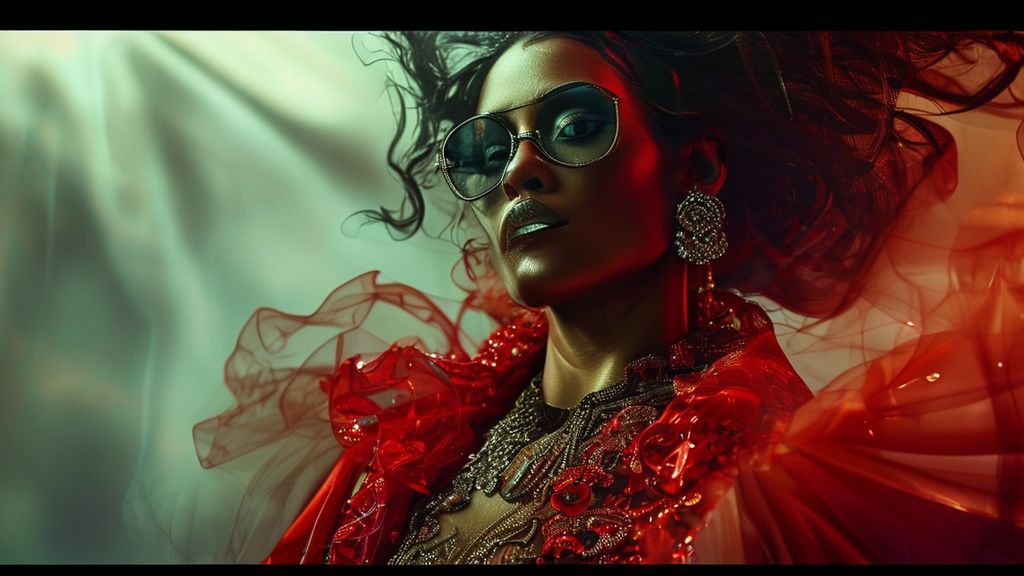
Plate · The Unyielding Spirit: Luxury Retail's Resilience Amidst Climatic Upheaval
In the rarefied echelons of luxury, where timeless elegance and impeccable craftsmanship reign supreme, even the most formidable forces of nature can cast a shadow. A recent atmospheric upheaval, a veritable monster storm of unprecedented scale, swept across continents, leaving a trail of disruption that touched tens of thousands of retail establishments. For the discerning world of high fashion and luxury goods, this was more than a mere inconvenience; it was a profound test of resilience, an examination of the intricate global tapestry that weaves together haute couture, ready-to-wear collections, and bespoke luxury accessories.
This isn't merely a story of closures and delays; it is an exploration of how heritage brands, steeped in centuries of tradition, respond to modern cataclysms. It speaks to the agile spirit beneath the polished veneer, the strategic foresight that allows the industry to not just weather the storm, but to emerge with renewed purpose and innovative solutions. In an era increasingly defined by unpredictability, understanding this adaptive capacity is paramount for anyone invested in the enduring allure of luxury.
The Immediate Aftermath: A Disrupted Tapestry
The immediate impact of such a widespread climatic event reverberated across every facet of the luxury supply chain and consumer experience. From the delicate hands of artisans to the polished floors of flagship boutiques, the intricate ballet of creation and commerce was momentarily, yet significantly, thrown off kilter.
Supply Chain's Strain: From Atelier to Aisle
The journey of a luxury garment or accessory is a meticulous one, often spanning continents and involving highly specialized craftsmanship. Raw materials, sourced from specific regions for their unique qualities – be it the finest Italian silks, ethically harvested leathers, or rare gemstones – faced immediate transit delays. Production ateliers, particularly those relying on artisanal techniques and small, specialized teams, saw their operations hampered, leading to inevitable delays in the delivery of seasonal collections and bespoke commissions. The carefully orchestrated flow from design conceptualization to final product delivery, a hallmark of luxury, was suddenly vulnerable.
“The fragility of our global networks became starkly apparent. Every delay, every missed shipment, threatened not just a delivery schedule, but the very promise of exclusivity and timely perfection that our clients expect.”
Logistical nightmares unfolded as shipping routes were disrupted, air freight grounded, and ground transport rendered impossible in affected areas. For brands dealing in high-value, often irreplaceable items, the security and integrity of their merchandise became an even greater concern amidst the chaos.
The Empty Boutiques: A Pause in Experience
Perhaps the most visible sign of disruption was the closure of thousands of retail doors. Luxury boutiques, designed as sanctuaries of experiential retail, offering personalized service and an immersive brand narrative, stood silent. This went beyond mere lost sales; it interrupted the very essence of the luxury purchase – a moment of discovery, consultation, and indulgence. Staff safety, paramount for all discerning brands, necessitated these closures, temporarily severing the vital in-person connection between brand ambassadors and their esteemed clientele.
The absence of the physical space meant a pause in the curated experiences that define premium retail: the private viewing of a new collection, the bespoke tailoring session, the celebratory unveiling of a coveted investment piece. These moments, integral to fostering consumer loyalty and reinforcing brand values, had to find new avenues.
Navigating the New Horizon: Strategic Adaptations
Faced with unprecedented challenges, the luxury sector, with its deep historical roots and forward-thinking leadership, pivoted with remarkable agility. The crisis became a crucible for innovation, accelerating trends and demanding creative solutions to safeguard brand integrity and client relationships.
Digital Fortification: E-commerce as a Bastion
While luxury has historically championed the in-store experience, the storm underscored the indispensable role of digital platforms. Brands rapidly fortified their e-commerce capabilities, enhancing user interfaces, optimizing mobile experiences, and ensuring seamless online transactions. This wasn't merely about selling online; it was about translating the luxury experience into the digital realm.
- Virtual Clienteling: Sales associates, unable to meet clients in person, leveraged video calls, personalized emails, and secure messaging apps to offer one-on-one consultations, styling advice, and exclusive previews.
- Digital Showrooms & Immersive Content: High-definition imagery, 360-degree product views, and engaging editorial content brought collections to life virtually, bridging the gap between physical and digital browsing.
- Enhanced Digital Services: From virtual fitting rooms to online bespoke consultation platforms, brands innovated to maintain the personalized touch synonymous with luxury.
The digital transformation, already underway, accelerated dramatically, proving that the essence of luxury – exclusivity, service, and aspiration – could transcend physical boundaries.
Reshaping the Supply Chain: Localisation and Agility
The vulnerability exposed in global supply chains prompted a strategic re-evaluation. Brands began exploring options for diversification, near-shoring, and even localisation of certain production aspects to mitigate future risks. This involved:
- Diversified Sourcing: Identifying multiple suppliers for critical raw materials to reduce dependency on single regions.
- Strategic Inventory Management: Implementing more sophisticated forecasting and warehousing strategies to buffer against unexpected disruptions.
- Focus on Sustainability: The crisis highlighted the benefits of more localized, sustainable practices, reducing carbon footprints and strengthening ethical sourcing relationships closer to home.
This shift isn't just about efficiency; it's about building a more robust, ethically sound, and resilient infrastructure that can withstand future shocks, reinforcing the commitment to sustainable fashion.
Cultivating Client Loyalty: Beyond the Transaction
In times of crisis, the relationship between a luxury brand and its clientele deepens. Communication became paramount, not just about product availability, but about empathy, reassurance, and shared values. Brands focused on:
- Proactive Communication: Keeping clients informed about potential delays, new digital services, and safety measures.
- Personalized Outreach: Checking in with loyal customers, offering support, and maintaining a human connection that goes beyond immediate sales.
- Reinforcing Brand Values: Demonstrating corporate social responsibility, supporting affected communities, and reaffirming the brand's commitment to its legacy and future.
“True luxury is not just about the product; it's about the trust, the relationship, and the shared values. In challenging times, these bonds are forged stronger, proving that genuine connection is the ultimate currency.”
This emphasis on authentic engagement solidified client loyalty, transforming temporary disruptions into opportunities to reinforce the emotional connection that underpins luxury consumption.
The Enduring Legacy: Innovation in Adversity
The storm, while destructive, also acted as a powerful catalyst for introspection and innovation within the luxury sector. It compelled brands to rethink fundamental aspects of their operations, from design cycles to the very nature of the retail experience.
Design and Production: A Shift in Seasonality?
The disruption to traditional fashion calendars and supply chain timelines raised questions about the rigid seasonal collection model. Could this lead to a greater emphasis on trans-seasonal collections, timeless investment pieces, and a slower, more considered approach to design and production? Brands might increasingly focus on the longevity and versatility of their creations, aligning with a growing consumer demand for sustainable and enduring fashion choices.
Experiential Retail Reimagined
While the physical boutique will always remain central to the luxury experience, its format may evolve. The crisis accelerated the adoption of hybrid models, combining the intimacy of in-person shopping with the convenience and reach of digital tools. This could manifest as:
- Appointment-Only Shopping: Ensuring personalized attention and controlled environments.
- Integrated Digital & Physical Experiences: Utilizing in-store technology to enhance discovery and customization.
- Focus on Safety & Well-being: Prioritizing client and staff health through enhanced protocols, becoming an implicit part of the luxury service.
The future of experiential retail will likely be more curated, more exclusive, and even more intentional, making each visit a truly memorable occasion.
Concluding Insights: The Future Woven Anew
The colossal storm served as a stark reminder of the interconnectedness and fragility of our world, even for an industry as robust and revered as luxury fashion. Yet, it also showcased the extraordinary capacity for resilience, adaptation, and innovation that defines heritage brands.
Far from being paralyzed, the luxury sector responded with strategic foresight, accelerating its digital transformation, rethinking its supply chains for greater agility, and deepening its commitment to client relationships. This period of disruption has not diminished the allure of high fashion; rather, it has refined it, pushing brands towards more sustainable practices, more empathetic engagement, and more innovative ways to deliver unparalleled quality and experience.
The storm has passed, but its lessons endure. The luxury industry, with its unyielding spirit, continues to weave its tapestry, now stronger, more adaptable, and even more attuned to the evolving demands of a changing world. It is a testament to the enduring power of creativity, craftsmanship, and human connection, ensuring that the legacy of luxury will continue to shine brightly, no matter the tempest.