Luxury's Urban Canvas & Smart Vision: This Week's Fashion Revolution
From Gucci and Louis Vuitton's immersive NYC spectacles to Warby Parker's groundbreaking smart specs with Google, this week redefines luxury, innovation, and conscious design.
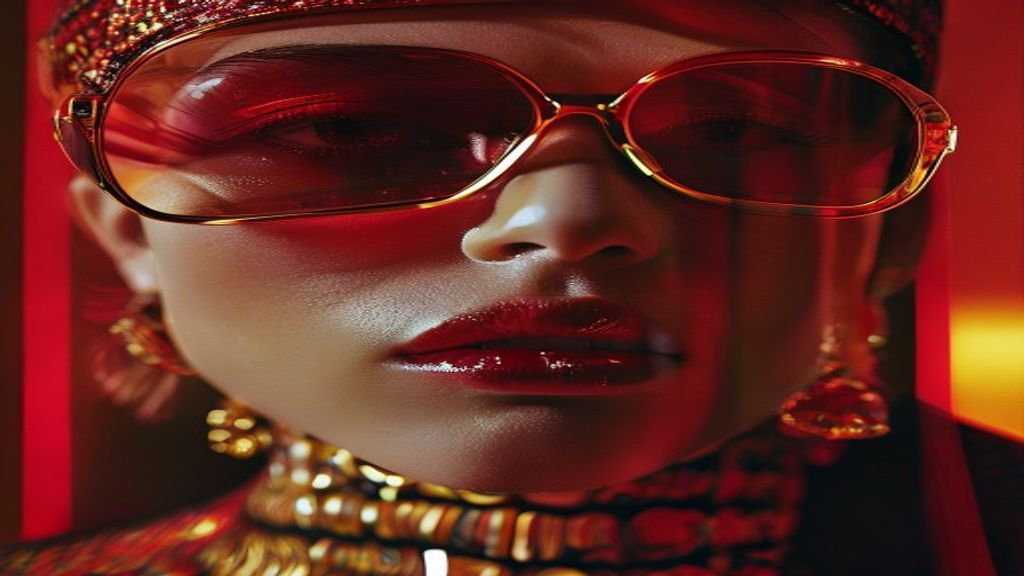
Plate · Luxury's Urban Canvas & Smart Vision: This Week's Fashion Revolution
The Evolving Fashion Paradigm: Luxury, Innovation, and Conscience
This week, the fashion world pulsed with a dynamic confluence of heritage luxury, urban spectacle, and groundbreaking technological integration. As global consciousness shifts towards more mindful consumption, even the most revered maisons are reimagining their footprint, not just in design, but in experience and innovation. New York City became the vibrant backdrop for two titans, Gucci and Louis Vuitton, to unveil their latest narratives, transforming iconic locales into temporary cathedrals of style. Simultaneously, a partnership between Warby Parker and Google signaled a profound leap into the future of wearable technology, marrying accessible design with smart functionality. These pivotal moments underscore a fashion industry in flux, keenly balancing the allure of tradition with the imperative of progress, all while whispering promises of a more sustainable, interconnected future.
The Big Apple's Luxe Takeover
New York City, a perennial muse and melting pot of culture, once again asserted its dominance as a global fashion capital, playing host to two of the industry's most influential powerhouses. Both Gucci and Louis Vuitton chose the city's iconic landscapes to stage events that transcended mere runway shows, evolving into immersive brand experiences. This strategic move highlights a growing trend among luxury labels: to engage consumers not just through product, but through profound, memorable narratives that resonate beyond seasonal collections. It's a testament to the power of experiential marketing, where the city itself becomes an integral part of the brand's storytelling, echoing the vibrant energy and diverse spirit that define both these houses and the metropolis. This approach is crucial for modern luxury fashion, connecting with conscious consumerism on a deeper level.
Gucci's Eclectic Elegance and Conscious Craft
Gucci, under its renewed creative vision, descended upon New York with an energy that was both profoundly rooted in its storied heritage and boldly forward-looking. The brand's latest presentation was a masterclass in eclectic elegance, weaving together disparate elements into a cohesive, captivating tapestry. Held against a backdrop that subtly referenced the city's architectural grandeur, the collection itself was a vibrant dialogue between past and present. We saw meticulous tailoring juxtaposed with whimsical embellishments, rich textures meeting innovative fabrications. Critically, Gucci's ongoing commitment to responsible sourcing and circularity was subtly woven into the narrative, with discussions around their use of regenerated materials and their pioneering 'Gucci Up' program for upcycling. The brand's dedication to preserving artisanal craft, a cornerstone of sustainable luxury, was evident in every stitch and silhouette. Each piece felt imbued with a sense of longevity, designed not just for a season, but for a lifetime of sartorial expression. This approach resonates deeply with the conscious consumer, who values provenance, quality, and a reduced environmental footprint.
"Luxury is no longer just about rarity; it's about responsibility. Gucci's latest venture exemplifies how heritage brands can innovate with integrity, crafting beauty that endures."
The event was more than a display of garments; it was an exploration of identity, a celebration of individuality, and a subtle nod to the brand's evolving ethical compass. From their commitments to animal welfare to their investments in bio-based materials, Gucci continues to push the boundaries of what sustainable fashion can embody, proving that high fashion can indeed coexist with high ethical standards. Their dedication to ethical fashion and transparency sets a benchmark for the industry.
Louis Vuitton's Architectural Grandeur and Future-Forward Vision
Louis Vuitton, never one to shy away from grand gestures, transformed another iconic New York landmark into a temporary realm of sartorial innovation. The presentation was a breathtaking fusion of architectural prowess and visionary design, reflecting the brand's enduring pursuit of excellence and its deep connection to travel and exploration. The collection itself was a study in refined sophistication, where classic silhouettes were reimagined with futuristic details and avant-garde constructions. There was a palpable sense of movement and modernity, with garments designed for the global citizen, always on the go, always seeking the next horizon. Louis Vuitton's dedication to innovation extends beyond aesthetics; the brand has been a quiet leader in exploring sustainable material alternatives, from its 'LV By The Pool' collection featuring Econyl recycled nylon to its ongoing research into bio-sourced leathers and upcycled components in its accessories. Their commitment to durability and repair services also speaks volumes about their contribution to a circular fashion economy, encouraging investment in pieces designed to last.
"Louis Vuitton consistently redefines the journey of luxury, not just through exquisite design, but by pioneering sustainable pathways that honour both heritage and the future."
The brand's presence in NYC was a powerful statement on the intersection of culture, commerce, and conscious creation. It underscored how luxury labels are increasingly leveraging their global platforms to not only showcase breathtaking design but also to subtly communicate their evolving commitments to environmental stewardship and social responsibility. The meticulous craftsmanship, a hallmark of Louis Vuitton, serves as a powerful antidote to fast fashion, advocating for investment in quality over quantity, a core tenet of sustainable consumption and a pillar of true luxury fashion.
Key Takeaways from NYC's Luxury Spectacles:
- Experiential Marketing Dominance: Brands are prioritizing immersive events that create lasting emotional connections, crucial for engaging the modern luxury consumer.
- Cultural Integration: Weaving brand narratives into the fabric of iconic cities amplifies their resonance and relevance, fostering deeper engagement.
- Artisanal Preservation: A renewed emphasis on craftsmanship as a cornerstone of sustainable luxury and longevity, celebrating heritage and skill.
- Subtle Sustainability Messaging: Integrating ethical practices and material innovation into the brand story without overt greenwashing, promoting genuine change.
- Investment in Longevity: Encouraging consumers to view luxury items as enduring assets, aligning with circular economy principles and reducing waste.
Smart Specs: Warby Parker's Visionary Leap
Shifting gears from haute couture to high-tech eyewear, this week also saw a groundbreaking announcement that promises to redefine the landscape of accessible fashion technology. Warby Parker, a brand synonymous with stylish, affordable, and socially conscious eyewear, revealed its pioneering collaboration with Google. This partnership heralds the advent of smart glasses that prioritize seamless integration of technology with everyday aesthetics, moving beyond the clunky prototypes of yesteryear. It's a strategic move that positions Warby Parker not just as an eyewear retailer, but as a visionary leader in wearable tech, democratizing access to smart functionalities previously reserved for niche markets, embodying true fashion innovation.
Merging Style and Silicon with Purpose
The Warby Parker x Google smart specs are poised to be a game-changer, blending Google's formidable technological prowess with Warby Parker's renowned design sensibility and commitment to user experience. Early insights suggest a focus on unobtrusive design, ensuring the glasses remain first and foremost a fashion accessory, rather than an overt gadget. Imagine subtle notifications, real-time information overlays, or enhanced audio capabilities, all seamlessly integrated into eyewear that looks and feels like a premium, stylish pair of frames. This collaboration speaks volumes about the future of fashion: a future where technology is not an add-on, but an intrinsic, elegant component of our personal style. It’s about enhancing daily life without compromising on aesthetic appeal or ethical considerations. Warby Parker's 'Buy a Pair, Give a Pair' program, a pillar of their social mission, provides an interesting lens through which to view this innovation, suggesting that even smart technology can be developed with a broader societal impact in mind.
"Warby Parker and Google aren't just making smart glasses; they're crafting a smarter future for fashion, where tech enhances style and purpose."
The potential applications are vast, from aiding navigation and translation to providing discreet health monitoring. Yet, the emphasis remains on the user – on creating a device that genuinely improves quality of life, rather than merely adding another screen. This human-centric approach, combined with Warby Parker's legacy of accessible design, sets a new benchmark for wearable technology in the fashion space, promising innovation that is both desirable and attainable, pushing the boundaries of designer eyewear.
Sustainability in Smart Fashion: A New Frontier
The integration of technology into fashion inevitably raises questions about sustainability, particularly concerning the lifecycle of electronic components. However, Warby Parker's existing commitment to sustainability offers a hopeful precedent. Their use of eco-friendly materials in many of their traditional frames, alongside robust recycling programs for old eyewear, suggests a conscious approach to the smart specs venture. The challenge lies in designing electronics for longevity and repairability, minimizing e-waste, and ensuring ethical sourcing of rare earth minerals. This partnership has the potential to set new standards for responsible tech-fashion, demonstrating that innovation can indeed align with environmental stewardship. By focusing on durable design and potentially modular components, Warby Parker and Google could lead the way in creating 'smart' products that are also 'smart' for the planet, challenging the tech industry's often linear consumption model and championing ethical fashion practices.
Potential Impacts on the Fashion Tech Landscape:
- Democratization of Wearable Tech: Making smart glasses stylish and accessible to a broader audience, expanding market reach.
- Seamless Integration: Prioritizing aesthetic appeal and user comfort over overt technological display, enhancing user experience.
- Ethical Tech-Fashion: Setting new benchmarks for responsible sourcing, repairability, and e-waste reduction, promoting a circular economy.
- Enhanced Daily Living: Offering practical, discreet functionalities that genuinely improve user experience, adding tangible value.
- Shifting Consumer Expectations: Raising the bar for how fashion and technology can harmoniously converge with purpose, driving future innovation.
The Evolving Fashion Paradigm: Luxury, Innovation, and Conscience
This week's pivotal events—from the luxurious spectacles curated by Gucci and Louis Vuitton in New York to Warby Parker's groundbreaking foray into smart eyewear with Google—paint a vivid picture of a fashion industry at a critical juncture. It's an industry that is simultaneously looking inward, cherishing the artistry and heritage that define its most revered houses, and outward, embracing technological advancement and a global consciousness demanding greater responsibility. The luxury sector, once perceived as insulated from broader societal shifts, is now actively engaging with themes of sustainability, cultural relevance, and experiential connection. Brands like Gucci and Louis Vuitton are demonstrating that premium fashion can be both aspirational and accountable, investing in sustainable materials, ethical production, and timeless design that encourages longevity.
Concurrently, the collaboration between Warby Parker and Google signifies a profound acceleration in the integration of technology into our everyday sartorial choices. It's a testament to the idea that smart solutions can be stylish, accessible, and potentially even sustainable. This partnership challenges the traditional boundaries between fashion and tech, signaling a future where our accessories do more than just complete an outfit; they enhance our lives, connect us to information, and potentially even monitor our well-being, all while maintaining a sophisticated aesthetic.
The overarching narrative is clear: the future of fashion is multifaceted. It's about crafting compelling narratives that resonate with conscious consumers, leveraging innovation to create products that are both beautiful and functional, and, critically, embedding sustainability into every facet of the business model. From the meticulous craftsmanship of a Gucci handbag designed to last generations to the thoughtful engineering of Warby Parker's smart specs aiming for minimal environmental impact, the industry is recalibrating. It's a future where luxury is defined not just by exclusivity, but by impact; where technology serves humanity and the planet; and where style is intrinsically linked to substance. As fashion continues its dynamic evolution, these trailblazing moments remind us that true innovation lies in harmonizing creativity with conscience, paving the way for a more responsible, inspiring, and interconnected world of style and fashion technology.