Kering's Digital Horizon: Luca de Meo Charts a Transformative Tech Vision
Automotive visionary Luca de Meo outlines a bold digital strategy for Kering, propelling luxury into a new era of innovation, personalization, and sustainability.
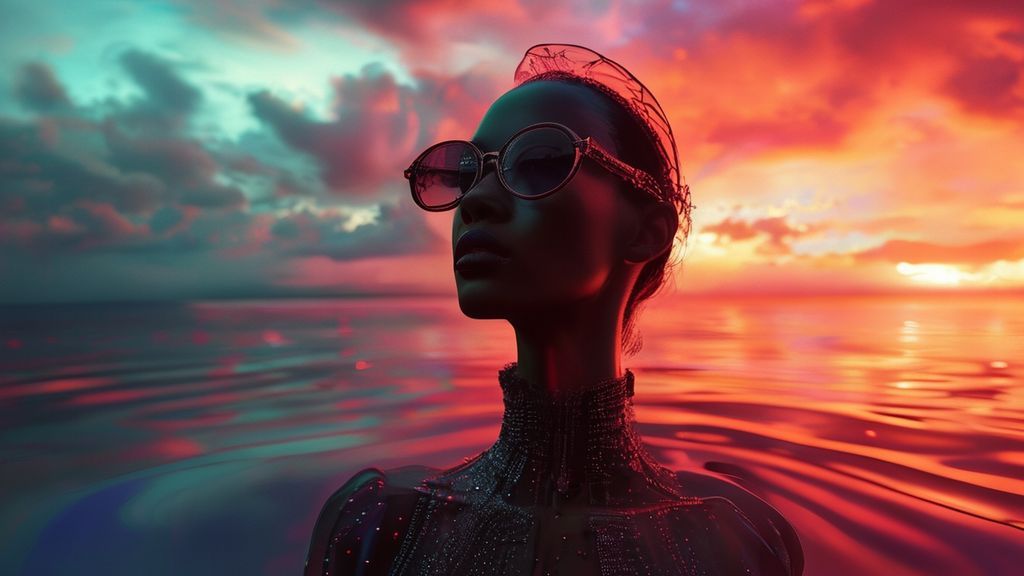
Plate · Kering's Digital Horizon: Luca de Meo Charts a Transformative Tech Vision
In an era where luxury converges with unprecedented technological velocity, Kering, the global luxury group behind revered houses such as Gucci, Saint Laurent, Bottega Veneta, Balenciaga, Alexander McQueen, and Brioni, is charting an ambitious course for digital transformation.
At the forefront of this strategic evolution stands Luca de Meo, the renowned automotive industry leader, whose recent engagement with Kering signals a profound commitment to embedding cutting-edge technology into the very fabric of its operations and consumer experiences.
De Meo, celebrated for his visionary leadership in driving digital innovation within the automotive sector, brings a fresh, outside perspective to the intricate world of luxury fashion. His insights, recently articulated in a series of strategic briefings, underscore Kering’s intent to not merely adapt to the digital age but to define its vanguard.
The Digital Imperative: Reimagining Luxury for a Connected World
Kering operates at the pinnacle of global luxury, where brand heritage and artisanal craftsmanship have long been paramount. However, the contemporary luxury consumer is increasingly digitally native, demanding seamless, personalized, and ethically conscious interactions. De Meo’s vision for Kering acknowledges this paradigm shift, proposing a holistic digital ecosystem that touches every facet of the business, from design and production to retail and client engagement.
“Luxury is no longer solely defined by exclusivity and craftsmanship; it is increasingly shaped by intelligent interaction, transparency, and a profound understanding of the individual client’s journey,” de Meo remarked, emphasizing the symbiotic relationship between tradition and innovation.
The strategic blueprint hinges on several pillars, each designed to reinforce Kering’s position as a leader in sustainable and innovative luxury. This isn't merely about e-commerce; it's about a complete re-architecture of how luxury houses connect with their clientele and manage their intricate global supply chains.
Data-Driven Personalization: The New Bespoke Experience
At the heart of de Meo’s strategy is the sophisticated leveraging of data to create unparalleled personalized experiences. For luxury consumers, bespoke service is the ultimate expression of exclusivity. In the digital realm, this translates to anticipating desires and curating offerings with precision. Kering aims to move beyond generic recommendations, utilizing advanced analytics and artificial intelligence (AI) to understand individual preferences across its diverse portfolio of brands.
- Predictive Analytics for Clienteling: Empowering sales associates with AI-driven insights into client purchase history, style preferences, and even aspirational acquisitions, fostering deeper, more meaningful relationships. This transforms traditional clienteling into a proactive, data-informed art, enhancing customer relationship management for high-net-worth individuals.
- Hyper-Personalized Content: Delivering tailored digital content, from exclusive previews of haute couture collections to personalized styling advice, ensuring every interaction feels unique and relevant. This includes dynamic website experiences and targeted communications for VIP clients.
- Customization at Scale: Exploring new frontiers in product customization, allowing clients to co-create bespoke items, whether it's a unique handbag from Bottega Veneta or a personalized watch from Girard-Perregaux, facilitated by digital design tools and agile manufacturing processes. This elevates the luxury shopping experience to a new dimension of exclusivity.
This commitment to personalization extends to the post-purchase journey, ensuring seamless service, maintenance, and even authentication through digital means, reinforcing the longevity and value of luxury goods.
Supply Chain Innovation: Transparency, Agility, and Sustainability
The luxury supply chain is complex, spanning continents and involving myriad skilled artisans and specialized suppliers. De Meo’s vision emphasizes the integration of advanced technologies to enhance transparency, efficiency, and sustainability within this intricate network, a critical aspect for modern luxury brands.
- Blockchain for Traceability: Implementing blockchain technology to provide immutable records of provenance for raw materials, finished goods, and even repairs. This ensures authenticity for high-value items like leather goods and jewelry, combats counterfeiting, and offers unparalleled transparency to discerning consumers concerned with ethical sourcing and sustainable practices.
- AI-Powered Demand Forecasting: Utilizing AI to optimize inventory management, reduce waste, and ensure timely delivery of fashion collections and permanent pieces. This agility is crucial for responding to rapidly evolving market trends, managing ready-to-wear lines, and minimizing environmental impact through efficient resource allocation.
- Digital Prototyping and Production: Employing 3D design and virtual prototyping to streamline the design process, reduce material waste, and accelerate time-to-market for new collections without compromising the meticulous craftsmanship synonymous with Kering’s brands. This digital craftsmanship allows for greater precision and innovation.
This technological overhaul of the supply chain not only drives operational excellence but also reinforces Kering’s leadership in sustainable luxury, providing verifiable proof of its environmental and social commitments across its luxury conglomerate.
Immersive Retail Experiences: Blending Physical and Digital Worlds
While e-commerce continues its rapid growth, the physical boutique remains a cornerstone of the luxury experience. De Meo advocates for a seamless integration of these two realms, creating immersive retail environments that leverage technology to enhance rather than detract from human interaction, a crucial aspect for high-end fashion and jewelry.
“The future of luxury retail is not about choosing between online or offline; it’s about creating a harmonious continuum where the digital enhances the tactile, and the physical enriches the virtual,” de Meo articulated, signaling a departure from siloed channels in the luxury market.
- Augmented Reality (AR) and Virtual Reality (VR) in-store: Allowing clients to virtually try on garments, visualize products in different settings, or explore the heritage of a brand through interactive displays. Imagine experiencing the intricate details of a Balenciaga haute couture piece through AR, or taking a virtual tour of Gucci’s historic workshops.
- Connected Stores: Equipping sales associates with tablets providing real-time inventory, client profiles, and personalized recommendations, blurring the lines between the online and offline shopping journey. This facilitates a truly omnichannel luxury experience.
- Metaverse and Web3 Integration: Exploring the burgeoning opportunities within the metaverse, from creating exclusive digital fashion items (NFTs) and virtual experiences to establishing brand presence in decentralized virtual worlds, engaging a new generation of luxury consumers. This includes digital ownership and community building around brands like Saint Laurent or Alexander McQueen, extending brand presence into new digital frontiers.
These initiatives aim to elevate the retail journey, making it more engaging, informative, and deeply personalized, reflecting the evolving expectations of the modern luxury clientele for both physical and digital touchpoints.
Sustainability and Tech: A Synergistic Approach
Kering has long been a pioneer in sustainable luxury. De Meo’s tech vision amplifies these efforts, demonstrating how technology can be a powerful enabler for environmental stewardship and ethical practices across all its brands.
- Material Innovation through AI: Utilizing AI to identify and develop sustainable materials, optimizing their performance and reducing environmental footprint across the production cycle. This includes research into bio-based fabrics, recycled materials for leather goods, and innovative recycling solutions for existing luxury goods.
- Energy Efficiency in Operations: Implementing smart technologies across manufacturing facilities and retail spaces to monitor and reduce energy consumption, aligning with Kering’s ambitious carbon reduction targets and promoting eco-conscious operations.
- Circular Economy Platforms: Developing digital platforms to facilitate the resale, repair, and recycling of luxury items, extending product lifecycles and fostering a more circular economy within the fashion industry. This supports the longevity and inherent value of Kering’s high-quality products and reinforces its commitment to responsible luxury.
Technology, in this context, is not just a tool for efficiency, but a fundamental driver for Kering’s commitment to a more responsible and regenerative luxury future, impacting everything from ready-to-wear to fine jewelry.
Investing in the Future: Talent, Infrastructure, and Strategic Partnerships
Realizing such a comprehensive digital transformation requires significant investment not only in technology itself but also in the human capital and strategic alliances that drive innovation. De Meo emphasizes a multi-pronged approach:
- In-House Innovation Hubs: Establishing dedicated digital innovation labs within Kering, fostering a culture of experimentation and attracting top-tier tech talent to work alongside fashion creatives. This ensures that technological advancements are intrinsically linked to the DNA of luxury and brand heritage.
- Strategic Partnerships: Collaborating with leading technology firms, startups, and academic institutions to leverage external expertise and accelerate the adoption of groundbreaking solutions. This open innovation model allows Kering to stay at the forefront of technological advancements in areas like AI, blockchain, and immersive technologies.
- Upskilling and Reskilling Workforce: Investing in extensive training programs for Kering’s global workforce, ensuring that employees at all levels are equipped with the digital literacy and skills necessary to thrive in this evolving landscape. This empowers Kering’s teams to fully embrace the digital transformation.
This commitment to building internal capabilities and fostering external collaborations underscores the long-term strategic nature of Kering’s digital ambitions, ensuring sustainable growth and innovation.
The Competitive Edge: A Holistic Digital Ecosystem
Ultimately, Luca de Meo’s vision for Kering is about creating a cohesive, interconnected digital ecosystem that provides a distinct competitive advantage. It’s about leveraging data, AI, blockchain, and immersive technologies not as isolated tools, but as integrated components of a unified strategy to enhance every touchpoint of the luxury journey.
This approach strengthens brand loyalty, attracts new generations of luxury consumers, and sets new benchmarks for operational excellence and sustainability within the luxury sector. By embracing digital transformation with such conviction, Kering aims to future-proof its iconic brands and continue to lead innovation in the global luxury market, from haute couture to high-end accessories.
Concluding Insights: The Future of Luxury is Integrated
Luca de Meo’s strategic directives for Kering represent more than just a technological upgrade; they signify a profound philosophical shift in how luxury is conceived, created, and consumed in the 21st century. By weaving advanced digital capabilities into its rich tapestry of heritage and craftsmanship, Kering is poised to redefine the luxury experience.
The blend of automotive industry foresight with luxury fashion’s intrinsic values creates a powerful synergy. Kering’s journey under this tech-forward guidance is set to deliver not just exceptional products, but also unparalleled experiences, setting new standards for personalization, transparency, and sustainable practice across the entire luxury conglomerate. The future of luxury, as envisioned by de Meo and embraced by Kering, is undoubtedly integrated, intelligent, and infinitely more engaging.