Hyeree Ro’s Road to Venice: A Tapestry of Art and Influence
Korean artist Hyeree Ro brings her unique fusion of textile art and conceptual design to the Venice Biennale, redefining the boundaries between contemporary art and haute couture.
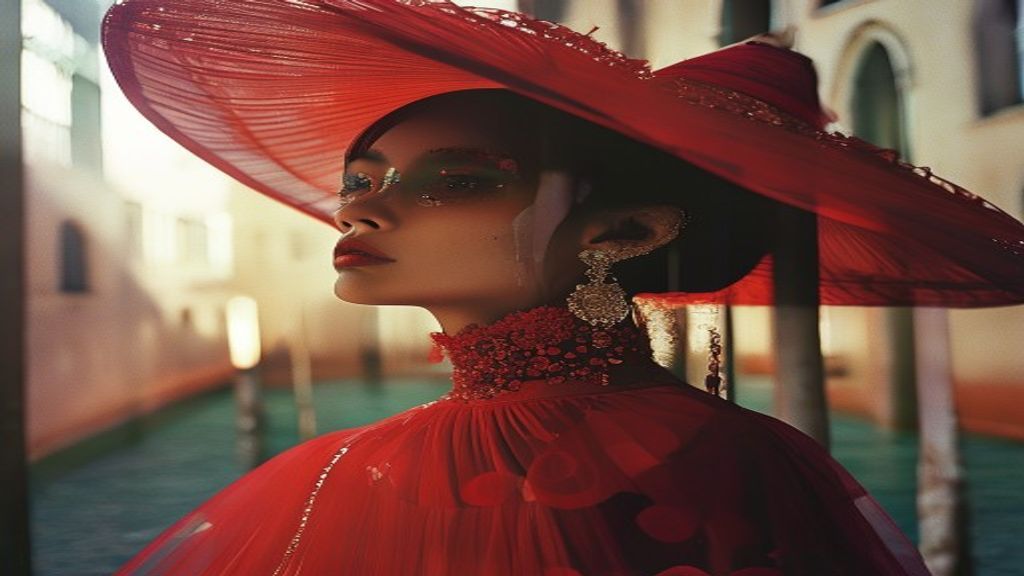
Plate · Hyeree Ro’s Road to Venice: A Tapestry of Art and Influence
Hyeree Ro’s Road to Venice: A Tapestry of Art and Influence
Korean artist Hyeree Ro brings her unique fusion of textile art and conceptual design to the Venice Biennale, redefining the boundaries between contemporary art and haute couture.
The Unveiling: A Masterpiece in Venice
In the venerable embrace of Venice, amidst the historic Arsenale, a new narrative unfolds. Hyeree Ro, the visionary Korean artist, has arrived, not merely as a participant in the 60th International Art Exhibition of La Biennale di Venezia, but as a profound voice. Her installation, “Echoes of Absence: The Unraveling Thread,” stands as a testament to a career meticulously woven, a journey from the quiet studios of Seoul to the global epicenter of contemporary art. Ro’s work transcends conventional categorizations, blurring the lines between fine art, architectural intervention, and the profound materiality often associated with haute couture. It is an exploration of memory, identity, and the ephemeral nature of presence, rendered with an exquisite sensitivity that speaks directly to the soul.
“Art is not merely seen; it is experienced, a dialogue between form and spirit, a whisper across the ages.” — Hyeree Ro
From Seoul's Studios to Global Acclaim
Early Foundations and Artistic Evolution
Hyeree Ro’s artistic journey began in the vibrant, yet deeply rooted, cultural landscape of South Korea. Her early studies at Seoul National University laid a robust foundation in traditional Korean textile arts, a discipline steeped in centuries of meticulous craftsmanship and symbolic resonance. This initial immersion instilled in her a profound respect for material integrity and the narrative potential of fabric. However, Ro’s inquisitive spirit soon led her beyond convention, pushing the boundaries of traditional techniques into the realm of conceptual experimentation. She sought to liberate textiles from their utilitarian or decorative constraints, transforming them into a primary medium for profound artistic inquiry. Her early exhibitions in independent galleries across Seoul showcased an evolving style: large-scale installations that manipulated light, shadow, and space, often employing repurposed fabrics and natural fibers to evoke a sense of history and transience.
Her works from this period, characterized by their intricate layering and delicate yet imposing presence, quickly garnered attention within the Korean art scene. Critics lauded her ability to infuse contemporary conceptualism with an artisanal craft sensibility, a rare fusion that spoke to both tradition and innovation. Ro’s unique design philosophy, which prioritized the inherent qualities of the material while pushing its formal limits, set her apart. She developed a distinct material language, often utilizing raw silk, linen, and even industrial felts, treating them with a reverence usually reserved for precious metals or pigments. This approach allowed her to create sculptural silhouettes that were simultaneously monumental and ethereal, establishing her reputation as an artist unafraid to challenge perceptions.
The Philosophy of Form and Fabric
At the core of Hyeree Ro’s practice is a deeply philosophical engagement with materiality. She views fabric not merely as a medium, but as a repository of human experience—a second skin, a shroud, a historical document. Her installations often explore themes of memory, absence, and the passage of time, using the inherent qualities of textiles to articulate these complex ideas. The way light interacts with a draped, translucent fabric, or how a woven structure suggests both strength and fragility, becomes central to her narrative. Ro’s work is a masterclass in texture, where the rough weave of raw linen contrasts with the smooth sheen of silk, creating a tactile dialogue that invites the viewer into a deeper sensory engagement. This preoccupation with tactile surfaces and the interplay of light and shadow is a hallmark of her aesthetic, drawing parallels to the meticulous detailing found in bespoke luxury aesthetics.
“Every thread tells a story, every drape reveals a truth. Ro’s genius lies in her ability to make the invisible palpable, the forgotten remembered.” — Elaine Dubois, Fashion Critic and Art Historian
Her conceptual framework often involves deconstruction and reconstruction, echoing processes found in avant-garde fashion design. She might unravel existing garments or textiles, then re-weave, knot, or suspend them in new configurations, transforming their original context into something entirely new. This methodology allows her to explore the concept of transformation and the cyclical nature of existence. Her palette, typically muted and earthy, punctuated by occasional, deliberate bursts of color, further emphasizes the organic and contemplative nature of her work. Each element, from the choice of fiber to the method of installation, is a carefully considered decision, contributing to a cohesive and deeply resonant artistic statement.
The Road to La Biennale di Venezia
Conceptualizing "Echoes of Absence"
The invitation to represent South Korea at the Venice Biennale marked a significant milestone in Ro’s career. For this esteemed platform, she conceived “Echoes of Absence: The Unraveling Thread,” an ambitious installation that encapsulates her artistic philosophy on an unprecedented scale. The work is a monumental, multi-chambered textile environment designed to immerse the viewer in a meditative journey through memory and the void. It comprises thousands of meters of intricately woven and hand-dyed silk and linen, suspended from the ceiling and draped across architectural elements within the pavilion. The fabrics, ranging from translucent gossamer to dense, textured weaves, create a labyrinthine path, guiding visitors through shifting light and shadow.
The central concept revolves around the idea of what remains when something is gone—the lingering echo, the ghost of a presence. Ro drew inspiration from traditional Korean mourning rituals and the delicate art of wrapping and unwrapping, which signifies both protection and release. Each thread within the installation represents a moment, a memory, a connection, collectively forming a fragile yet resilient whole. The intentional use of natural dyes, derived from traditional Korean botanical sources, further grounds the work in cultural heritage while speaking to contemporary concerns around sustainable fashion and ecological consciousness.
The Collaborative Canvas: Craft and Innovation
Bringing "Echoes of Absence" to fruition was a monumental undertaking, requiring not only Ro’s singular vision but also an extensive network of collaborators. The project involved a dedicated atelier of master weavers and textile artisans in Korea, who meticulously executed the complex weaving patterns and natural dyeing processes under Ro’s precise direction. This artisanal craft, passed down through generations, became an integral part of the artwork’s identity, showcasing a commitment to preserving traditional skills while pushing their application into a contemporary art context. Technical challenges, particularly concerning the structural integrity of such a vast textile installation in a historic Venetian venue, were overcome through innovative engineering and a deep understanding of material properties. The curatorial vision for the exhibition emphasized this fusion of ancient craft and modern conceptualism, highlighting Ro’s unique position at the vanguard of global art.
Logistics, from the careful transportation of delicate fabrics across continents to the precise on-site installation, demanded meticulous planning and execution. The installation process itself became a performance, a careful unfurling of threads and drapes, transforming the raw space into a sanctuary of contemplation. This collaborative spirit, blending artistic vision with technical prowess and artisanal skill, underscores the complexity and richness inherent in such a large-scale international exhibition.
Art and Fashion: A Symbiotic Relationship
Materiality and Metaphor
Hyeree Ro’s work, with its profound focus on textiles, form, and the human body’s relationship to its environment, naturally resonates deeply within the fashion world. Her ability to sculpt with fabric, creating monumental yet fluid forms, mirrors the artistry of haute couture. The intricate artisanal techniques employed in her installations—hand-weaving, natural dyeing, complex draping—are the very hallmarks of luxury fashion and bespoke design. Her explorations of texture and palette, from the raw sensuality of unbleached linen to the rich, nuanced hues of indigo and persimmon, offer a masterclass in material innovation that inspires designers across disciplines. Ro’s sculptural silhouettes, often voluminous yet weightless, challenge conventional notions of form, much like avant-garde fashion designers push the boundaries of wearable art. Her work serves as a powerful reminder that fashion, at its highest expression, is a form of art, a conceptual exploration of identity and aesthetics.
- Sculptural Silhouettes: Ro’s ability to create architectural forms from soft textiles directly influences the exploration of volume and shape in contemporary fashion.
- Intricate Artisanal Techniques: The meticulous hand-craftsmanship in her work highlights the value of bespoke and traditional textile methods, inspiring luxury brands.
- Sustainable Practices and Material Sourcing: Her commitment to natural dyes and repurposed materials aligns with the growing imperative for ethical and sustainable fashion.
- Narrative Through Texture and Color Palette: Ro’s use of tactile surfaces and a nuanced color scheme demonstrates how material choices can convey profound conceptual meaning, a lesson for sartorial storytelling.
Inspiring the Sartorial Avant-Garde
Beyond direct material inspiration, Ro’s conceptual approach to art has profoundly influenced the sartorial avant-garde. Her themes of memory, absence, and the reinterpretation of tradition find echoes in collections by designers who seek to infuse their garments with deeper narratives. Her work encourages a more contemplative engagement with clothing, moving beyond fleeting trends to explore garments as objects of profound cultural and personal significance. Several luxury brands and independent designers have openly cited Ro’s installations as inspiration for their collections, drawing from her unique blend of raw materiality and sophisticated conceptualism. Her presence at the Venice Biennale further solidifies this dialogue, positioning her as a vital bridge between the seemingly disparate worlds of fine art and high fashion, fostering a cross-pollination of ideas that enriches both domains. The interplay of light, shadow, and movement within her installations offers a dynamic blueprint for fashion presentations, transforming runways into immersive experiences.
The Venice Experience: A Critical Reflection
“Echoes of Absence: The Unraveling Thread” has been met with widespread critical acclaim at the Venice Biennale. Art critics have lauded its emotional depth, its formal elegance, and its innovative use of textile as a primary medium for conceptual art. Visitors are reportedly spending extended periods within the installation, drawn into its meditative atmosphere and the profound questions it poses about human existence and memory. The work’s ability to engage simultaneously on a sensory, intellectual, and emotional level speaks to Ro’s mastery. Its success in Venice underscores the increasing global appetite for art that transcends cultural boundaries while remaining deeply rooted in specific traditions. The dialogue it creates around sustainability, artisanal craft, and the intersection of art and fashion positions Ro as a leading voice in contemporary cultural discourse. Her installation is not merely an exhibit; it is an experience, a journey into the very fabric of being.
Concluding Insights: The Future Woven
Hyeree Ro’s journey to Venice is more than a personal triumph; it signifies a pivotal moment for Korean contemporary art on the global stage and a powerful affirmation of textile art’s rightful place within the highest echelons of the art world. Her work challenges perceptions, inviting viewers to reconsider the profound potential of materials often overlooked in favor of more conventional artistic media. By elevating fabric to a conceptual and sculptural plane, Ro not only honors traditional craft but also propels it into a future where innovation and heritage coexist seamlessly. Her influence on luxury aesthetics, design philosophy, and the broader conversation around art and fashion is undeniable.
As the Biennale concludes, the “Echoes of Absence” will resonate long after its physical presence departs Venice. It leaves behind a legacy of profound beauty, intellectual rigor, and an enduring testament to the power of art to connect, to question, and to inspire. Hyeree Ro has not just exhibited art; she has woven a new narrative into the tapestry of global culture, ensuring that the threads of her vision will continue to unravel new possibilities for generations to come, forever blurring the lines between the delicate craft of weaving and the bold statement of avant-garde expression.