The Metamorphosis of Hugo Boss: Q1's Calculated Contraction
Hugo Boss navigates a challenging Q1, reporting a 6% sales dip. The brand asserts this is a calculated pause, a recalibration for an elevated future in luxury fashion.
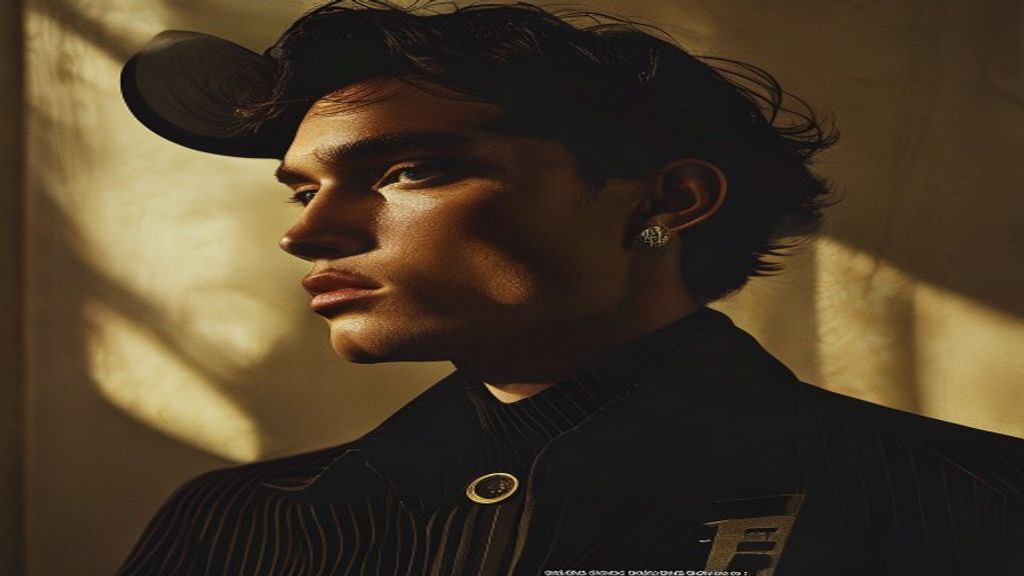
Plate · The Metamorphosis of Hugo Boss: Q1's Calculated Contraction
The Metamorphosis of Hugo Boss: Q1's Calculated Contraction
The initial shock of a sales dip often sends ripples through the market, but for a brand like Hugo Boss, renowned for its precision and strategic foresight, such a figure demands a deeper excavation. Q1 2024 has unveiled a 6% decline in sales, a statistic that, on its surface, might suggest turbulence. Yet, the narrative emanating from Metzingen is not one of distress, but of deliberate recalibration—a calculated contraction in service of an ambitious, elevated future. As the global fashion landscape fractures and reconfigures, Boss is not merely reacting; it is meticulously orchestrating its next act, a bold metamorphosis designed to solidify its position at the apex of premium apparel. This isn't just about numbers; it's about identity, aspiration, and the audacious pursuit of enduring relevance.
Decoding the Q1 Anomaly: Beyond the Numbers
The 6% sales downturn, while an immediate concern for investors tracking quarterly performance, is presented by Hugo Boss as a necessary phase in its comprehensive "CLAIM 5" strategy. Launched with the explicit aim of accelerating brand elevation and driving sustainable long-term growth, this strategy involves a multi-pronged approach impacting everything from product assortment and distribution channels to marketing expenditure and promotional activities. The company asserts that the Q1 figures reflect the deliberate curtailment of less profitable wholesale partnerships, a reduction in promotional intensity, and a strategic focus on full-price sales—all moves designed to enhance brand perception and profitability, even if at the temporary expense of top-line revenue.
"This isn't a retreat; it's a strategic pivot, a necessary deconstruction before a grander reconstruction."
The true measure of this quarter, therefore, lies not in the immediate ebb, but in the promise of the tide to come.
The Grand Blueprint: A Strategy of Elevation
The "CLAIM 5" strategy isn't merely a business plan; it's a manifesto for a revitalized Hugo Boss. Its pillars are designed to create a cohesive, compelling, and ultimately more profitable brand ecosystem:
- Brand Elevation & Premiumization: A concerted effort to push both the BOSS and HUGO brands further into the luxury and premium segments, respectively. This involves refined aesthetics, superior materials, and a commitment to aspirational marketing that resonates with discerning consumers.
- Product Excellence & Innovation: Investing heavily in design, quality, and functionality. This includes expanding into new categories, enhancing existing collections, and integrating cutting-edge textile technologies to offer a distinct competitive edge.
- Digital & Omnichannel Prowess: Revolutionizing the digital interface, from an intuitive e-commerce experience to sophisticated data analytics driving personalized customer journeys. The goal is a seamless interaction across all touchpoints, blurring the lines between online and offline retail.
- Experiential Retail & Consumer Engagement: Transforming physical stores into immersive brand environments. This involves innovative store concepts, personalized styling services, and exclusive in-store events designed to foster deeper emotional connections with the brand.
- Sustainability & Responsibility: Embedding ethical and environmentally conscious practices throughout the value chain. From sourcing sustainable materials to ensuring fair labor practices, this pillar addresses the growing demand from consumers for brands that align with their values.
These strategic imperatives, while promising a robust future, inherently carry short-term operational adjustments that can manifest as temporary sales fluctuations. The Q1 results, viewed through this lens, become less a symptom of weakness and more a testament to the rigor of this transformative undertaking.
The Calculus of Contraction: Short-Term Pain, Long-Term Gain?
The notion of a "calculated contraction" is a familiar refrain in the annals of luxury brand revitalization. It posits that shedding less profitable channels, reducing reliance on discounting, and investing heavily in brand building will ultimately yield a more resilient and profitable entity. For Hugo Boss, this means a deliberate reduction in wholesale partners who might dilute brand perception through aggressive promotions or inconsistent retail environments. It also implies a greater emphasis on direct-to-consumer (DTC) channels, where the brand maintains tighter control over pricing, presentation, and the overall customer experience.
The market's reaction to such a strategy is often bifurcated. While long-term investors may appreciate the foresight and commitment to brand integrity, short-term traders might react to the immediate dip in revenue, leading to stock volatility. Analysts, however, are increasingly attuned to the nuances of brand repositioning, often looking beyond headline figures to assess the underlying strategic health. The challenge for Hugo Boss lies in effectively communicating the 'why' behind the Q1 figures, reassuring stakeholders that this is not a stumble, but a deliberate stride towards a more elevated future.
"In the volatile theater of luxury fashion, true transformation often demands a temporary dimming of the lights."
The success of this gambit hinges on the speed and efficacy with which the new strategy translates into tangible improvements in brand equity and, eventually, sustained, high-quality growth.
Navigating the Geopolitical & Economic Currents
No fashion house operates in a vacuum, and Hugo Boss's Q1 performance must also be contextualized within the broader global economic landscape. Persistent inflationary pressures, fluctuating consumer confidence, and geopolitical uncertainties continue to shape spending habits, particularly in the discretionary luxury sector. While premium consumers are often more insulated from economic downturns, even they can exhibit caution, opting for considered purchases over impulsive ones.
Regionally, the market dynamics present a complex tapestry. China, a critical growth engine for luxury, has experienced uneven recovery post-pandemic, impacting sales for many international brands. Europe, while relatively stable, faces its own set of economic challenges. The Americas, conversely, have shown pockets of resilience but are not immune to broader economic anxieties. Hugo Boss's strategic adjustments are therefore not only internal but also a response to these external headwinds, aiming to build a more robust and adaptable business model capable of weathering future storms.
Reimagining Identity: BOSS and HUGO's Distinct Voices
Central to Hugo Boss's revitalization is the meticulous re-articulation of its dual-brand strategy: BOSS and HUGO. This isn't merely a segmentation; it's a creation of distinct universes, each with its own aesthetic, target demographic, and market positioning.
BOSS, the flagship, is being elevated to a sophisticated, contemporary premium brand, targeting the confident, success-driven individual who values impeccable tailoring, timeless design, and understated luxury. Its recent campaigns, often featuring global icons, underscore a narrative of ambition and refined elegance, resonating with a demographic that seeks quality and status without ostentation. The focus here is on iconic pieces, superior craftsmanship, and a seamless transition from business wear to smart casual, embodying the modern professional's multifaceted lifestyle.
HUGO, on the other hand, is being sharpened as the edgy, more experimental counterpart, appealing to a younger, digitally native audience that embraces self-expression and subculture. With its bolder designs, gender-fluid collections, and collaborations with emerging artists and influencers, HUGO is positioning itself as a conduit for creative freedom. It's about breaking conventions, offering accessible yet distinctive fashion that speaks to individuality and urban cool.
"To truly conquer, one must first clearly define their dominion. Hugo Boss is meticulously charting its dual kingdoms."
This clear differentiation is crucial in a crowded market, allowing Hugo Boss to capture a wider spectrum of consumers while avoiding brand dilution.
The Digital Imperative and Experiential Evolution
In an era dominated by digital natives, a premium fashion brand's online presence is as critical as its physical footprint. Hugo Boss's strategy places immense emphasis on digital transformation. This involves not only optimizing its e-commerce platforms for seamless user experience and mobile-first design but also leveraging artificial intelligence for personalized recommendations and predictive analytics to inform inventory management. Social media is not just a marketing channel but a dynamic forum for brand storytelling and community building, with targeted campaigns that resonate with specific demographics for BOSS and HUGO.
Concurrently, the physical retail experience is undergoing a profound evolution. Stores are no longer mere points of sale but curated destinations that embody the brand's essence. Think immersive digital installations, personalized styling consultations, exclusive product launches, and bespoke services that transform shopping into an event. This omnichannel approach ensures that whether a customer interacts with Hugo Boss online, on social media, or in a flagship boutique, the experience is cohesive, premium, and deeply engaging, reinforcing the brand's elevated status.
Concluding Insights: The Unfolding Tapestry
The 6% sales dip reported by Hugo Boss in Q1 2024 is, by all accounts, a calculated risk—a strategic withdrawal in certain areas to fortify others. This is an audacious play in a notoriously fickle industry, one that demands unwavering conviction and flawless execution. The "CLAIM 5" strategy, with its emphasis on brand elevation, product excellence, and digital innovation, paints a compelling vision for the future.
The path forward is fraught with challenges. The brand must not only convince its existing clientele of its renewed direction but also attract new, discerning consumers in a fiercely competitive luxury landscape. The balance between maintaining heritage and embracing modernity, between premiumization and accessibility for HUGO, will be delicate.
Yet, if executed with the precision and flair characteristic of its best designs, this metamorphosis could see Hugo Boss emerge not just as a survivor, but as a revitalized powerhouse, a beacon of contemporary luxury that has successfully navigated the choppy waters of market recalibration. The Q1 figures are merely a prelude to a much grander narrative, a testament to the courage required to dismantle and rebuild, to shrink in the short term for the promise of exponential growth and enduring influence. The fashion world watches, poised to witness whether this strategic contraction will indeed lead to a triumphant expansion.