Gracie Abrams Flips Chanel’s Cap-toe Codes in Leather Pumps at the Spring 2026 Couture Show
Gracie Abrams reimagines Chanel's iconic cap-toe with sleek leather pumps at the S/S 2026 Couture show, signaling a new era of performance luxury.
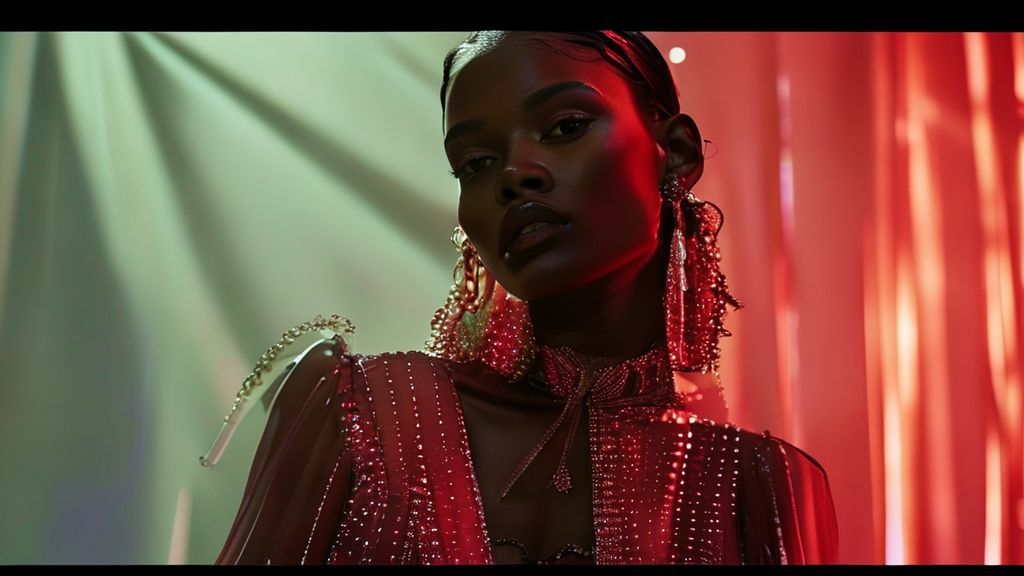
Plate · Gracie Abrams Flips Chanel’s Cap-toe Codes in Leather Pumps at the Spring 2026 Couture Show
The Spring 2026 Couture season, a crucible of sartorial evolution, witnessed a pivotal moment of re-calibration. Amidst the meticulously crafted narratives of haute design, one particular instance of strategic juxtaposition resonated with the force of a paradigm shift: Gracie Abrams' appearance, precisely calibrated, at the Chanel presentation. Her ensemble, while undoubtedly couture-aligned, was grounded by a choice of footwear that subtly, yet definitively, re-engineered a foundational Chanel code. Abrams stepped out not in the expected tweed or classic two-tone slingbacks, but in a pair of minimalist leather pumps, their cap-toe detailing a direct, yet utterly contemporary, subversion of heritage. This wasn't merely an accessory choice; it was a statement on the evolving interface of luxury, utility, and the digital-native aesthetic, a granular analysis of which reveals a profound re-evaluation of performance in high fashion.
The Icon Re-Engineered: Deconstructing Chanel's Cap-Toe Legacy
The Chanel cap-toe, an emblem of sophisticated pragmatism, has long transcended mere design to become a sartorial protocol. Introduced by Gabrielle Chanel in 1957, primarily on a beige shoe with a black toe, its original intent was twofold: to visually shorten the foot and to offer a degree of functional resilience against scuffs and wear. This dual-purpose design — aesthetic refinement paired with practical durability — established a precedent for what we now recognize as performance luxury. It was an early exercise in ergonomic fashion, where form was inextricably linked to function, ensuring longevity and a polished appearance even under the most demanding social conditions. The contrast between the two tones was not arbitrary; it was a calibrated optical illusion, a precision-engineered detail designed to optimize the wearer’s silhouette.
A Heritage of Precision
For decades, the cap-toe has been a constant in Chanel's evolving lexicon. From ballet flats to heels, boots to espadrilles, its presence signifies an adherence to a design philosophy rooted in enduring elegance and intelligent construction. Its heritage is not just in its visual identity but in its implicit promise of quality and thoughtful engineering. It speaks to a time when garments and accessories were investments, crafted to withstand the flux of trends and the rigors of daily life. The beige-and-black iteration, for instance, became a symbol of versatility, its neutral palette designed to harmonize with any outfit, extending its functional utility across diverse contexts. This was a foundational element of what makes Chanel's aesthetic so compelling: a deep understanding of the wearer's needs, translated into meticulous design.
The Functional Aesthetic
The cap-toe’s functional aesthetic lies in its intelligent balance. The darker toe cap provided a visual anchor, a point of grounding that conferred stability and gravitas. It was a subtle act of reinforcement, both visually and structurally. This design principle, often overlooked in the ephemeral world of fashion, is a cornerstone of techwear philosophy: every element serves a purpose, contributing to the overall performance and longevity of the product. The leather itself, typically supple yet robust, ensured comfort and adaptability, allowing the shoe to move with the foot rather than restrict it. This inherent adaptability, a hallmark of well-designed performance gear, is precisely what Abrams’ choice subtly amplified.
Abrams' Intervention: A New Vector for Performance Luxury
Gracie Abrams' selection of sleek leather pumps, devoid of overt embellishment yet imbued with the unmistakable cap-toe, was a calculated disruption. It wasn't about discarding tradition but re-contextualizing it through a minimalist, hyper-functional lens. This was the cap-toe stripped to its core, its essence distilled into a contemporary form that speaks to a generation fluent in digital aesthetics and a demand for authenticity in luxury. The pumps, with their sharp lines and unadorned surface, represented a deliberate move towards a more streamlined, performance-oriented silhouette, a re-evaluation of what constitutes 'dressing up' in an era that values understated power and dynamic versatility.
Material Evolution: The Leather Paradigm Shift
The choice of a full leather pump, particularly one with a refined finish, signals a material evolution. In a techwear context, leather, often seen as a traditional material, is undergoing its own re-engineering. Modern tanning processes and finishing techniques yield leathers that are lighter, more durable, water-resistant, and possess a superior haptic quality. Abrams' pumps likely featured such advanced leathers – a material that offers both a luxurious feel and enhanced resilience. This isn't the stiff, formal leather of yesteryear; it's a supple, adaptive skin that conforms, breathes, and performs. This material intelligence elevates the pump beyond a mere fashion item, positioning it as a piece of engineered footwear, designed for maximum comfort and minimal friction throughout a high-stakes event like a couture show. It’s about the tactile experience, the calibrated give, and the enduring structural integrity that modern leather can provide.
Silhouette and Stance: Redefining Proportionality
The silhouette of Abrams’ pumps was crucial. Unlike the often-playful proportions of a classic Chanel slingback, these leather pumps offered a more assertive, grounded profile. Their clean lines and precise construction communicated a sense of effortless authority, anchoring her couture ensemble with a modern gravitas. This redefinition of proportionality impacts the wearer's stance, promoting a posture of confident dynamism. It's a subtle recalibration of the body's interaction with the garment, where the footwear acts as a foundational element of the overall kinetic impression. The sharp, almost architectural lines of the pump serve to elongate the leg and streamline the foot, creating a seamless, uninterrupted visual flow that speaks to an optimized aesthetic. This isn't just about looking good; it's about feeling empowered and agile.
“Abrams’ choice isn't merely an accessory; it's a strategic intervention, signaling a new protocol for performance luxury where heritage codes are re-calibrated for a future-forward sensibility.”
The Micro-Trend Macro-Impact: Couture's Forward Trajectory
Gracie Abrams’ subtle yet potent footwear choice at Chanel's Spring 2026 Couture show is more than a fleeting trend; it’s a bellwether. It signals a broader industry shift towards integrating the principles of performance and utility into the highest echelons of luxury. This is the 'post-luxury' era, where overt branding gives way to intelligent design, material innovation, and a genuine commitment to functional elegance. The digital-native generation, of which Abrams is a significant voice, demands authenticity and relevance. They seek luxury that performs, not just aesthetically, but functionally, aligning with their dynamic, often unpredictable lifestyles.
Synthesizing Tradition and Innovation
This moment perfectly encapsulates the ongoing synthesis of tradition and innovation within couture. Chanel, a house steeped in heritage, demonstrates its adaptive capacity by allowing its foundational codes to be reinterpreted through a contemporary lens. The cap-toe, traditionally a symbol of conventional elegance, is now seen through the prism of minimalist techwear, becoming a symbol of understated power and intelligent design. This hybrid approach is crucial for luxury brands aiming to maintain their relevance in a rapidly evolving market. It's about respecting the archive while simultaneously pushing the boundaries of material science and design philosophy.
The Gen Z Imperative: Authenticity in Opulence
Gracie Abrams, as an artist and style icon for Gen Z, embodies a demand for authenticity. Her style choices often reflect a blend of comfort, individuality, and understated cool. Her selection of these particular pumps at a couture show underscores a desire for luxury that feels genuine and integrated into a modern existence, rather than a costume for a specific event. This demographic values transparency, ethical production, and products that offer tangible benefits beyond mere status. The performance aspects of modern leather, combined with the timeless design of the cap-toe, resonate deeply with this imperative for a luxury that is both opulent and inherently authentic.
Key elements of this style evolution:
- Ergonomic Design Principles: Footwear crafted for optimal comfort and movement.
- Tactile Materiality: Focus on advanced leathers and finishes that enhance sensory experience.
- Strategic Juxtaposition: Blending heritage codes with contemporary, minimalist aesthetics.
- Future-Proofed Aesthetics: Designs that prioritize longevity, versatility, and intelligent functionality.
Concluding Insights: The Future Fabric of Luxury
Gracie Abrams' appearance at the Chanel Spring 2026 Couture show was far more than a fleeting fashion moment; it was a potent signal. Her choice to anchor a high-fashion ensemble with refined, performance-oriented leather pumps featuring a re-contextualized cap-toe speaks volumes about the trajectory of luxury. We are witnessing a definitive shift towards a 'quiet tech' aesthetic in couture, where functional elegance and material innovation are no longer secondary considerations but primary drivers of design. The iconic cap-toe, through Abrams' interpretation, has been re-calibrated from a symbol of traditional refinement to an emblem of modern resilience and intelligent design.
This subtle revolution underscores a broader industry evolution: luxury is no longer solely defined by overt extravagance but by its capacity for intelligent design, sustainable innovation, and genuine utility. The future fabric of luxury will be woven from threads of heritage and high-performance materials, creating garments and accessories that not only captivate aesthetically but also perform optimally in the dynamic landscape of contemporary life. Abrams, with her precise and intentional sartorial choices, has effectively highlighted that the most impactful statements in fashion are often those articulated with the quiet confidence of refined engineering and discerning taste.