Godzilla Minus Zero: When Kaiju Chaos Meets New York's Street Style Vanguard
Takashi Yamazaki's 'Godzilla Minus Zero' teaser unleashes primal destruction on NYC, sparking a conversation where high fashion's grit meets kaiju grandeur.
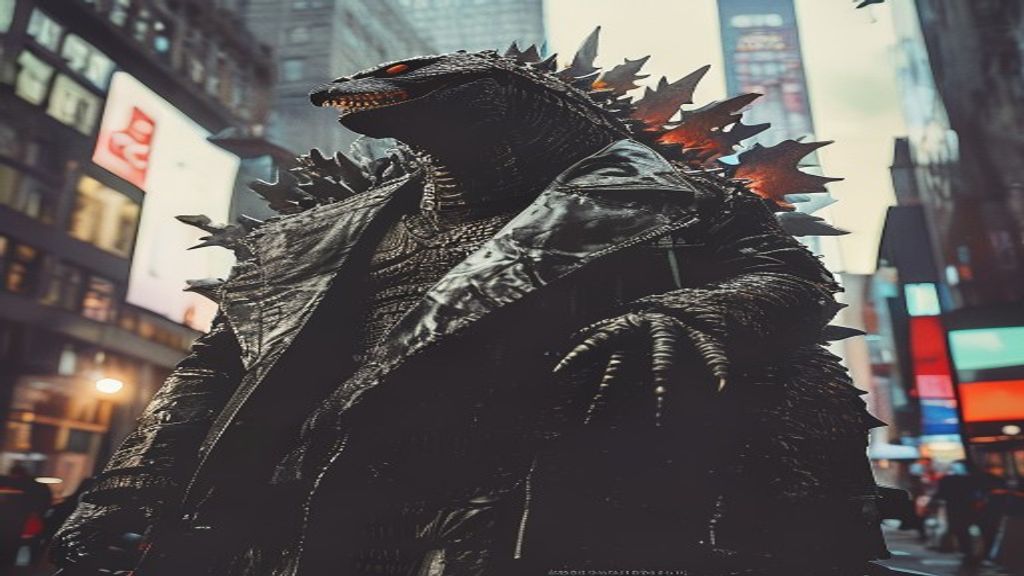
Plate · Godzilla Minus Zero: When Kaiju Chaos Meets New York's Street Style Vanguard
The urban landscape has always been fashion's most dynamic runway, a concrete canvas where trends ignite and cultural currents collide. But what happens when that canvas is violently re-sketched by the colossal claws of a kaiju icon? Takashi Yamazaki's highly anticipated 'Godzilla Minus Zero' teaser trailer doesn't just promise cinematic spectacle; it drops a seismic tremor through the very fabric of New York City, and by extension, the global streetwear scene. This isn't just another monster movie; it's a visual manifesto, an aesthetic disruption that forces us to reconsider the elegance in chaos, the resilience in rubble, and the unexpected style narratives that emerge when the world's most fashionable metropolis faces its ultimate adversary.
The Teaser Drop: A Cultural Tremor in Concrete Jungles
The moment the first frames of 'Godzilla Minus Zero' hit the digital airwaves, a collective gasp rippled through cinephiles and style architects alike. It's not merely the return of a legendary beast; it’s the return of a primal force, rendered with a raw, visceral intensity that feels both retro-futuristic and terrifyingly immediate. Yamazaki, known for his masterful blend of practical effects and cutting-edge CGI, doesn’t just show us destruction; he immerses us in its sheer, overwhelming scale. The trailer is a masterclass in tension, a slow burn that escalates into a full-blown urban apocalypse, all unfolding against the instantly recognizable backdrop of New York City.
“This isn't just about a monster; it’s about the raw, untamed energy that reshapes our perception of urban cool. It’s the ultimate deconstruction of the cityscape, and frankly, we’re here for the aesthetic fallout.”
For those tuned into the pulse of streetwear culture, a trailer of this magnitude isn't just entertainment; it's a cultural event. It’s a moment that sparks conversations, ignites fan theories, and inevitably, influences the visual lexicon of what's next. The visceral imagery of crumbling skyscrapers, panicked crowds, and the sheer, awe-inspiring presence of Godzilla itself, offers a rich tapestry for designers, artists, and trend forecasters to pull from. It’s the ultimate high-stakes backdrop, where the everyday uniform of the city dweller is suddenly put to the ultimate test.
NYC's Runway of Ruin: Urban Grit Meets Kaiju Grandeur
New York City, with its unparalleled architectural grandeur and its inherent, effortless street style, is more than just a setting for 'Godzilla Minus Zero'; it's a character in itself. The city's iconic landmarks – the towering skyscrapers, the bustling avenues, the gritty back alleys – are transformed from symbols of human ambition into playgrounds for destruction. This juxtaposition is where the fashion narrative truly begins to bloom.
Consider the typical New Yorker's uniform: the perfectly distressed denim, the oversized hoodie, the statement sneakers, the impeccably tailored outerwear. Now, picture that against a backdrop of collapsing infrastructure and widespread panic. The film's visual language naturally lends itself to a fascinating exploration of 'survival chic' – an aesthetic born from necessity but imbued with an undeniable edge. The practical becomes paramount, but never at the expense of style. This is where utility wear, techwear, and rugged outdoor gear find their high-fashion counterparts.
Deconstructed Aesthetics: Fashioning the Aftermath
The visual narrative of 'Godzilla Minus Zero' is a goldmine for those obsessed with the aesthetics of disruption. The destruction isn't just random; it's a force that strips away the superfluous, revealing the raw essence of materials and forms. This aligns perfectly with several burgeoning fashion trends:
- Utility-Core Revival: Tactical Gear Meets Luxury Streetwear. The need for practicality in a crisis elevates cargo pants, multi-pocket vests, and durable, weather-resistant jackets to new heights. Brands like Stone Island and ACRONYM, already pioneers in this space, find their ethos perfectly mirrored in the film's gritty realism. Think reinforced seams, ripstop fabrics, and adaptable silhouettes.
- Distressed & Deconstructed: The Beauty in Imperfection. Rubble, torn metal, and fractured concrete translate directly into the fashion world's ongoing fascination with distressed denim, frayed edges, and garments that tell a story of wear and tear. This isn't about looking sloppy; it's about an intentional, artful embrace of imperfection, a nod to the resilience found in the broken.
- Monochromatic Moods: Grayscale Palettes Dominate. The smoky skies, the concrete dust, the muted tones of a city under siege – these visuals naturally push towards a palette of grays, charcoals, blacks, and desaturated earth tones. It’s a sophisticated, understated approach that allows texture and silhouette to take center stage, echoing the solemn grandeur of the kaiju's presence.
- Oversized Silhouettes: Protection and Presence. In the face of overwhelming power, there's a primal urge to protect oneself. This manifests in fashion as oversized outerwear, voluminous hoodies, and wide-leg trousers that offer both comfort and a sense of shielded anonymity. It’s a statement of quiet defiance, a sartorial embrace of the 'less is more' philosophy when 'more' is chaos.
“From the rubble emerges a new kind of chic – a raw, unvarnished elegance that speaks to survival, resilience, and the indomitable spirit of the urban explorer.”
Yamazaki's Vision: Crafting the Cataclysmic Collection
Takashi Yamazaki's directorial signature is one of meticulous detail and emotional resonance, even amidst large-scale spectacle. In 'Godzilla Minus Zero,' his vision isn't just about the monster; it's about the human experience within the catastrophe. This focus on the individual's struggle against an insurmountable force imbues the film with a profound sense of gravitas, a narrative depth that transcends mere popcorn entertainment. The 'Minus Zero' concept itself – referring to a post-war Japan already at its lowest, now facing an even deeper descent – suggests a stripping away of pretense, a return to fundamental elements. This mirrors the fashion world's cyclical return to foundational pieces, to classic silhouettes reinterpreted with modern sensibilities.
The film's visual narrative, therefore, isn't just about destruction; it's about the stark contrast between human fragility and monstrous power, between the meticulously designed urban environment and the raw, untamed forces of nature. This contrast is a powerful wellspring for creative inspiration, prompting designers to explore themes of vulnerability and strength, order and chaos, form and deconstruction. It’s a challenge to find beauty in the broken, and a testament to the human spirit's ability to adapt and create, even in the most dire circumstances.
The "Godzilla Effect": Capsule Collections and Cultural Collisions
The cultural impact of 'Godzilla Minus Zero' is poised to extend far beyond the cinema screen. Major cultural events like this often spawn a wave of creative responses, from fan art to limited-edition merchandise, and perhaps most interestingly, capsule collections and designer collaborations. Imagine a luxury streetwear brand dropping a collection inspired by the film's gritty aesthetic – perhaps a series of graphic tees featuring distressed kaiju motifs, or a line of athleisure wear in earth tones with subtle nods to the film's destructive grandeur.
The 'Godzilla Effect' could manifest in several exciting ways within the fashion ecosystem:
Key Elements for a Post-Kaiju Wardrobe:
- Reinforced outerwear in technical fabrics, designed for both protection and style. Think elevated parkas and field jackets.
- Multi-pocket cargo pants and utility vests, marrying functionality with a sleek, modern edge.
- Statement graphic tees featuring distressed kaiju motifs, subtle nods to the film, or abstract representations of urban decay.
- High-top sneakers with rugged soles and a worn-in aesthetic, built for navigating rough terrain (or just looking cool on city streets).
- Accessorizing with industrial-inspired hardware, heavy-duty belts, and utilitarian bags that blend seamlessly with the aesthetic.
- A renewed focus on sustainable fashion, perhaps ironically, given the film's themes of destruction. The idea of building resilient, long-lasting garments that defy obsolescence.
This isn't just about slapping a monster logo on a shirt; it’s about a deeper engagement with the film's themes, its visual language, and its emotional resonance. It’s about creating pieces that tell a story, that evoke a mood, and that tap into the collective consciousness stirred by such a monumental cinematic event.
Concluding Insights: The Enduring Roar on the Style Horizon
Takashi Yamazaki's 'Godzilla Minus Zero' teaser trailer is more than just a preview of a film; it's a cultural touchstone, a powerful visual statement that resonates deeply within the fashion world. It challenges us to look beyond the spectacle and find the inherent style in chaos, the unexpected beauty in destruction, and the enduring resilience of human creativity. As Godzilla tears through the urban fabric of New York City, it simultaneously tears through conventional aesthetic boundaries, opening up new avenues for expression in streetwear, avant-garde fashion, and beyond.
The film’s influence will likely ripple through upcoming collections, inspiring designers to explore themes of survival, adaptation, and the raw power of nature versus the constructed world. From the distressed textures of a crumbling city to the utilitarian elegance of survival gear, 'Godzilla Minus Zero' offers a rich, complex narrative for the fashion industry to engage with. It’s a reminder that true style isn't just about what's new; it's about what's next, what’s relevant, and what dares to challenge our perceptions. And in the face of a kaiju, perhaps the most profound fashion statement is one of defiant, unyielding cool.