Two Years After ‘Sephora Tweens,’ What Do Teen Girls Actually Want From Beauty?
The ‘Sephora Tweens’ phenomenon sparked a debate. Now, two years on, we delve into the evolving beauty landscape for teen girls, unearthing their authentic desires beyond viral trends.
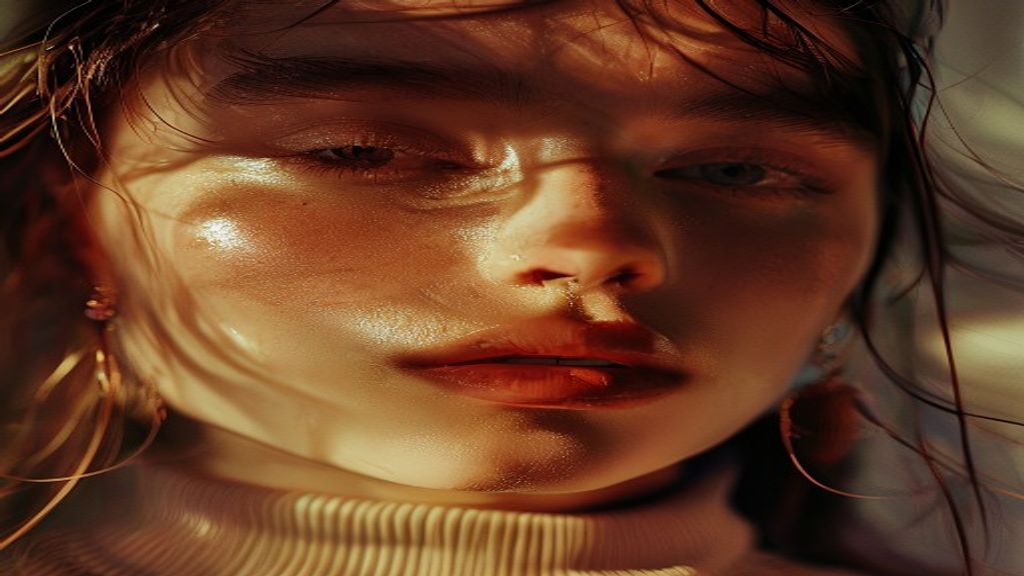
Plate · Two Years After ‘Sephora Tweens,’ What Do Teen Girls Actually Want From Beauty?
Two years ago, a cultural phenomenon emerged from the polished aisles of Sephora, painting a vivid, if sometimes perplexing, portrait of youth beauty. The ‘Sephora Tweens’—pre-adolescent girls meticulously selecting high-end skincare products, often with potent active ingredients—became a lightning rod for discussion, sparking a global conversation about age appropriateness, consumerism, and the potent influence of social media. What began as an anecdotal observation quickly escalated into a widespread concern, with parents and dermatologists alike raising alarms about the potential for skin barrier damage and the psychological burden of premature anti-aging anxieties. The image of a ten-year-old demanding a Drunk Elephant serum became emblematic of a generation seemingly propelled into an adult beauty regimen before their time.
Yet, the landscape of beauty is ever-shifting, particularly within the dynamic realm of Gen Z. As senior fashion editors, our mandate is to discern the genuine currents beneath the superficial waves of fleeting trends. So, two years removed from that initial surge, what has truly resonated with this discerning demographic? What do teen girls authentically want from beauty today, beyond the initial hype and the often-misguided aspirations fueled by viral content? The answer, we’ve found, is far more nuanced, reflecting a maturation of consumption and a distinct pivot towards informed choices and intrinsic values.
The Evolving Beauty Dialogue: From Trend-Driven to Intentional
The initial ‘Sephora Tweens’ era was characterized by an almost impulsive adoption of trends. Driven by TikTok algorithms and influencer endorsements, young consumers gravitated towards products that promised instant transformation or conveyed a certain social cachet. This led to a pervasive sense of FOMO (Fear Of Missing Out) and a rapid turnover of must-have items, often without a foundational understanding of their purpose or suitability for developing skin. The sight of young girls hoarding luxury serums and potent actives like retinol or strong AHAs, designed for mature skin concerns, was jarring. Dermatologists were quick to highlight the risks—irritation, compromised skin barriers, and the potential for long-term sensitivity.
A Maturation of Consumption: The Rise of Discerning Choices
However, the beauty dialogue amongst teenagers has evolved. The initial frenzy, while impactful, has given way to a more considered approach. This demographic, arguably the most digitally native, is also becoming increasingly adept at navigating information. They’re exposed to a deluge of content, both educational and commercial, and are learning to differentiate. The shift is palpable: from blindly following influencers to seeking out credible sources, from impulsive buying to understanding ingredients, efficacy, and suitability for their age group. The conversation has moved beyond ‘what’s popular’ to ‘what works for me’ and ‘what’s good for my skin.’ Brands that once thrived on viral sensations are now facing a more critical, educated consumer base.
Authenticity, Efficacy, and the ‘Clean’ Conundrum
The Quest for Real Skin: Embracing Skinimalism
One of the most significant shifts we observe is a pronounced move towards authenticity. The aspiration is no longer flawless, airbrushed perfection, but rather healthy, glowing skin that looks and feels real. This pivot has given rise to ‘skinimalism’—a minimalist approach to beauty that emphasizes natural texture, subtle enhancement, and a streamlined routine. Heavy foundations and intricate contouring are being replaced by lightweight formulas that allow natural skin to show through. Tinted moisturizers, BB creams, sheer lip oils, nourishing balms, and brow gels have become the new staples. The focus is on protection (SPF is non-negotiable) and gentle care rather than drastic transformation. This approach aligns with a broader wellness movement, where self-care is prioritized over an unattainable ideal.
“The true luxury now is healthy skin, nurtured with intention, not just an array of expensive products.”
Ingredient Intelligence & Ethical Imperatives
Gen Z is remarkably savvy about ingredients. Terms like hyaluronic acid, niacinamide, ceramides, and of course, SPF, are no longer niche; they are part of their everyday lexicon. They scrutinize labels, not just for what’s included, but also for what’s excluded. The ‘clean beauty’ movement, while often lacking a universal definition, resonates strongly with this demographic—they seek products free from perceived ‘nasties.’ Beyond ingredients, the ethical dimension of beauty has become paramount. Cruelty-free certifications, sustainable packaging, ethical sourcing, and a brand’s broader social values are increasingly influential in purchasing decisions. This isn’t merely a trend; it’s a deeply ingrained value system that informs their entire consumer journey. Brands that authentically embody these principles gain loyalty; those that merely greenwash face skepticism.
Beyond the Shelf: What Brands Must Understand
The Demand for Education and Transparency
For brands targeting this demographic, the paradigm has shifted. It’s no longer sufficient to simply market a product; there’s a profound demand for education and transparency. Teenagers want to understand what they’re putting on their skin, why it’s beneficial, and whether it’s appropriate for their age and skin type. Brands that offer clear, accessible information—perhaps through digestible social media content, informative websites, or even in-store consultations—are building trust. This transparency extends to sourcing, formulation processes, and a brand’s overarching ethos. Authenticity in communication is key; Gen Z has a finely tuned radar for inauthenticity.
Personalization Over Prescription
The one-size-fits-all beauty routine is rapidly becoming obsolete. Teenagers are moving away from blindly adopting an influencer’s entire regimen and towards solutions tailored to their specific skin concerns. Whether it’s managing acne, addressing oiliness, or soothing sensitivity, they seek personalized recommendations. This has fueled the rise of diagnostic tools, quizzes, and personalized product bundles. The emphasis is on understanding their unique skin needs and finding products that genuinely cater to them, rather than simply following a prescriptive, generic routine. This shift underscores a desire for agency and control over their beauty choices.
The New Beauty Blueprint: A List of Core Desires
So, what do teen girls actually want from beauty today? Our analysis points to a clear blueprint:
- Effective, Gentle Formulations: Products that deliver tangible results without compromising the delicate skin barrier. Think hydrating serums, gentle cleansers, and broad-spectrum SPF.
- Multi-functional Heroes: A preference for streamlined routines. Products that offer multiple benefits—like a tinted moisturizer with SPF and skincare actives—are highly valued for their efficiency and minimalist appeal.
- Subtle Enhancement, Not Transformation: Makeup that highlights natural features rather than masking them. Lip oils, brow gels, and cream blushes are preferred over heavy foundations and elaborate contouring.
- Informed Choices: A deep desire to understand the ‘why’ behind their product choices. They seek knowledge about ingredients, benefits, and appropriate usage.
- Ethical Alignment: Brands that reflect their values—cruelty-free, sustainable, and socially responsible—are non-negotiable for many.
- Accessibility & Affordability: While they appreciate premium quality, value for money is paramount. High price points must be justified by demonstrable efficacy and ethical practices.
“Beauty for this generation is less about external validation and more about internal confidence, a subtle enhancement of their authentic selves.”
Concluding Insights: A Holistic Approach to Youth Beauty
The journey from ‘Sephora Tweens’ to today reveals a significant evolution in the youth beauty landscape. What began as a somewhat naive, trend-driven consumption has matured into a more discerning, educated, and ethically conscious approach. Teen girls today seek a holistic relationship with beauty, one that intertwines efficacy with wellness, self-care with self-expression, and personal values with product choices. They are not merely consumers; they are active participants in shaping the industry.
For beauty brands, this shift presents both a challenge and an immense opportunity. The future lies not in pushing products based on fleeting viral moments, but in fostering genuine connections through education, transparency, and an authentic commitment to healthy skin and ethical practices. Brands that genuinely listen, educate, and offer authentic value will not only thrive but also contribute to a healthier, more empowering beauty narrative for the next generation. The ultimate desire, it seems, is not just for beautiful skin, but for a beautiful, confident, and informed self.