A Tale of Two Titans: France's Luxury Furniture Renaissance Challenges Italy's Reign at Milan Design Week
As French luxury furniture brands converge on Milan Design Week, they challenge Italy's long-held dominance, showcasing a distinctive blend of heritage, haute couture aesthetics, and unparalleled savoir-faire.
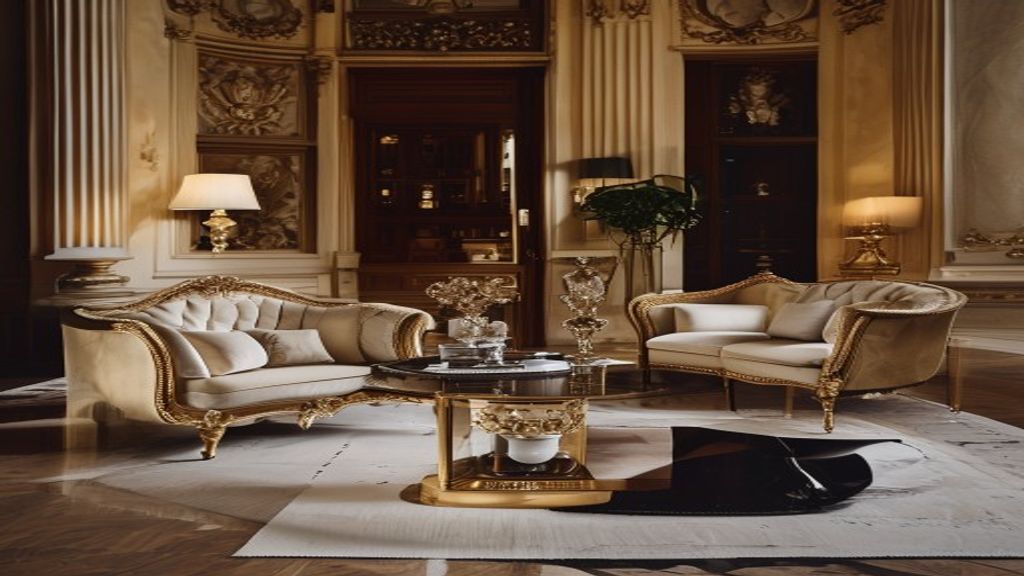
Plate · A Tale of Two Titans: France's Luxury Furniture Renaissance Challenges Italy's Reign at Milan Design Week
The Grand Stage: Milan Design Week and the Shifting Tides of Luxury
The global stage of design, particularly the hallowed halls of Milan Design Week and Salone del Mobile, has long been synonymous with Italian ingenuity, a vibrant crucible where innovation, industrial prowess, and artistic vision converge. For decades, Italy has held an almost unassailable position as the epicenter of luxury furniture, dictating trends and setting benchmarks for craftsmanship and design. However, as the curtain rises on each successive edition of this prestigious event, a compelling narrative is unfolding: the strategic and impactful resurgence of France's luxury furniture industry. Far from merely participating, French firms are now orchestrating a sophisticated rally, presenting a distinct vision that challenges the status quo and enriches the global discourse on high-end interiors and luxury living.
Italy's Unassailable Reign: A Legacy Forged in Design
Italy's dominance in luxury furniture is not merely a matter of market share; it is deeply embedded in its cultural fabric and industrial infrastructure. The nation boasts a unique ecosystem of specialized districts, where generations of artisans and designers have perfected their crafts, giving rise to iconic brands like Cassina, B&B Italia, Poltrona Frau, and Kartell. Italian design is often characterized by its daring spirit, its embrace of contemporary aesthetics, and an unwavering commitment to material innovation and ergonomic excellence. It's a philosophy that champions sleek lines, bold experimentation, and a seamless integration of form and function. From the mid-century modern masters like Gio Ponti and Achille Castiglioni to today's avant-garde visionaries, Italy has consistently pushed boundaries, transforming furniture from mere utility into objects of art and statements of premium lifestyle.
“Italy's design ethos is a symphony of industrial prowess and artistic vision, creating not just furniture, but a complete lifestyle narrative that resonates with the discerning global connoisseur.”
The Italian approach is often holistic, conceiving entire environments rather than individual pieces. This "total look" concept, coupled with a highly efficient manufacturing base, has allowed Italian firms to scale their operations while maintaining an impeccable standard of quality, making them global leaders in both residential and contract sectors. Their emphasis on research and development, particularly in new materials and sustainable processes, keeps them at the forefront of design trends.
France's Quiet Grandeur: A Renaissance of Savoir-Faire
In contrast to Italy's industrial might, France's luxury furniture industry has historically cultivated a more discreet, atelier-driven presence, deeply rooted in the concept of l'art de vivre and the unparalleled tradition of métiers d'art. French design, much like its haute couture counterpart, emphasizes bespoke craftsmanship, timeless elegance, and a refined sense of proportion and detail. Brands such as Roche Bobois and Ligne Roset have long showcased a modern, sophisticated French sensibility, yet it is the heritage houses like Lalique, Christofle, Pierre Frey, and even fashion powerhouses like Hermès Maison and Louis Vuitton with its 'Objets Nomades' collection, that truly embody the unique French approach.
“French luxury furniture whispers tales of heritage, each piece a testament to generations of meticulous savoir-faire, elevated to an art form that transcends fleeting trends.”
These firms prioritize the hand of the artisan, the intricate detailing, and the use of exquisite, often rare, materials. Think of the delicate marquetry, the hand-gilding, the sumptuous upholstery, and the perfectly sculpted bronzes. French interior design often evokes a sense of curated grandeur, a sophisticated layering of textures and periods that feels effortlessly elegant rather than ostentatious. It's about creating spaces that are not just beautiful, but deeply personal and imbued with a sense of history and refined comfort. This focus on bespoke, limited-edition pieces and an almost personal connection between creator and client sets a distinct tone, offering an alternative to the mass-produced luxury that sometimes defines other markets.
The Milan Design Week Offensive: French Firms Take Center Stage
The increasing presence and strategic positioning of French brands at Milan Design Week signals a deliberate and concerted effort to reassert their influence on the global design stage. No longer content to remain in the shadow of their Italian counterparts, French firms are arriving with curated exhibitions, immersive installations, and powerful brand narratives designed to captivate and inspire. This isn't just about showcasing new collections; it's about projecting a distinct French identity and demonstrating a renewed vigor.
Strategic Positioning and Brand Narratives
French brands are employing several key strategies to make their mark:
- Emphasizing Bespoke Craftsmanship: They highlight the human element, the hours of labor, and the specialized techniques that go into each piece, appealing to a clientele that values authenticity and rarity.
- Highlighting Sustainable Luxury: Many French firms are showcasing their commitment to ethical sourcing, sustainable production, and the longevity of their products, aligning with contemporary values of conscious consumption.
- Fostering Cross-Disciplinary Collaborations: Partnering with renowned artists, architects, and even other fashion heritage brands, they create unique pieces and collections that blur the lines between art, design, and fashion.
- Creating Immersive Brand Experiences: Beyond static displays, French exhibitors are crafting environments that transport visitors into their brand universe, engaging all senses and telling compelling stories of their heritage and vision for the future of luxury decor. Louis Vuitton's 'Objets Nomades' installations, for instance, are always a highlight, showcasing innovative design through the lens of travel and exceptional craftsmanship.
This coordinated offensive is not about direct confrontation but about presenting a compelling alternative, a nuanced vision of luxury that complements rather than competes with the Italian narrative. It's an invitation to experience luxury through the prism of French art de vivre.
A Tale of Two Esthetics: Differentiating the Design DNA
The fundamental differences between French and Italian luxury furniture can be distilled into their core aesthetic philosophies and their approach to production and presentation.
Italian Design: Innovation, Industry, and the Avant-Garde
Italian design often embodies a spirit of constant evolution. It is characterized by:
- Sleek Minimalism and Bold Experimentation: A preference for clean lines, geometric forms, and a willingness to embrace new materials and technologies.
- Industrial Precision: A mastery of engineering and manufacturing processes that allows for high-quality production at scale, without sacrificing design integrity.
- Ergonomic Innovation: A deep understanding of human interaction with objects, resulting in furniture that is not only beautiful but also supremely comfortable and functional.
- Material Science: Pioneering new uses for plastics, metals, and composites, constantly pushing the boundaries of what's possible.
French Design: Elegance, Heritage, and the Art de Vivre
French design, while capable of modernity, often leans into a more timeless and artisanal expression:
- Timeless Elegance and Ornate Detailing: A reverence for classical forms, intricate detailing, and the beauty of handcrafted embellishments.
- Artisanal Mastery: An emphasis on traditional techniques passed down through generations, celebrating the unique imperfections and character of hand-made objects.
- Couture Sensibility: A focus on luxurious textiles, rich finishes, and a meticulous attention to upholstery and surface treatments, akin to haute couture fashion.
- Refined Comfort: Creating spaces that are inviting, intimate, and designed for gracious living, often with a subtle blend of historical grandeur and contemporary ease.
“Where Italian design often pushes the boundaries of form and function with audacious innovation, French design perfects the art of living, enveloping one in an embrace of cultivated beauty and enduring sophistication.”
Beyond Rivalry: A Symbiotic Future for Global Luxury Interiors
While the narrative often frames this as a competition, the reality in the rarefied world of global luxury interiors is more nuanced. The discerning patron of luxury is rarely limited to a single aesthetic; rather, they seek a curated collection that reflects their personal taste and lifestyle. Both French and Italian luxury furniture industries contribute immeasurably to this rich tapestry, offering distinct yet equally compelling visions of elegance and quality.
Indeed, there is a growing cross-pollination of ideas. Italian brands are increasingly incorporating artisanal, bespoke elements, while French firms are embracing cleaner lines and more modular solutions. This mutual inspiration enriches the entire sector, pushing both nations to innovate and refine their offerings. Milan Design Week, therefore, becomes not just a battleground, but a vibrant forum where these two titans of design can showcase their strengths, learn from each other, and collectively elevate the standards of high-end design.
Concluding Insights: The Evolving Landscape of Luxury Interiors
The powerful rally of French firms at Milan Design Week is a testament to the enduring appeal of French artistry and the strategic vision of its luxury brands. It signifies a confident reassertion of France's position as a formidable force in the world of premium furniture. Italy's legacy remains strong, its influence undeniable, but the French resurgence offers a compelling counterpoint, a distinct voice that speaks of heritage, bespoke excellence, and an unparalleled sense of refined living.
For the connoisseur of design, this evolving landscape is nothing short of exhilarating. The discerning patron of luxury interiors is no longer forced to choose between the audacious innovation of Milan and the timeless allure of Paris. Instead, they are presented with a richer, more diverse palette of options, each imbued with its own unique history, philosophy, and unparalleled craftsmanship. This dynamic interplay between France and Italy promises a future where luxury furniture continues to inspire, innovate, and define the very essence of sophisticated living across the globe.