The Metamorphosis of Style: PUMA's FENTY Farewell and SKIMS's Eastern Genesis
From the poignant conclusion of a pioneering partnership to a bold new retail frontier, this week's fashion narrative redefines brand evolution and global ambition.
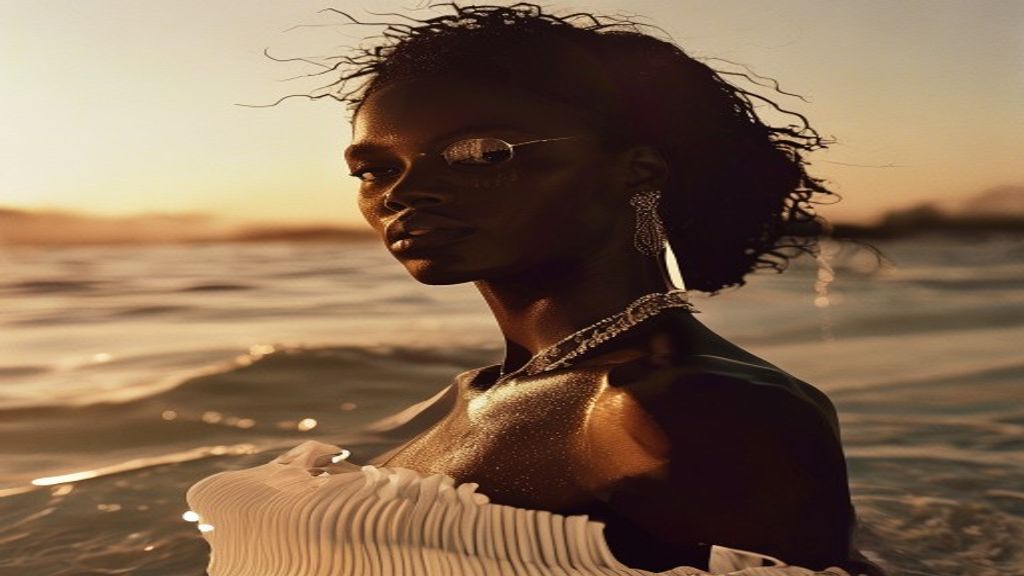
Plate · The Metamorphosis of Style: PUMA's FENTY Farewell and SKIMS's Eastern Genesis
In the relentless, pulsating rhythm of the global fashion zeitgeist, certain weeks etch themselves into the collective consciousness not merely as a compilation of events, but as seismic shifts in the very tectonic plates of style and commerce. This week, the industry witnessed a dual narrative of profound significance: the quiet, yet resonant, denouement of a groundbreaking collaboration and the audacious, calculated genesis of a new empire’s frontier. PUMA’s strategic pivot away from its FENTY partnership, a union that once redefined athleisure and celebrity influence, coalesced with SKIMS’s monumental unveiling of its inaugural physical retail presence in mainland China. These are not isolated incidents; they are symptomatic of a deeper metamorphosis, signaling an era where brand identity, market agility, and cultural resonance are not just buzzwords, but the very crucible in which the future of fashion is forged.
PUMA & FENTY: The Grand Unveiling of an End
The fashion world, ever hungry for spectacle and innovation, still recalls the electrifying jolt of FENTY x PUMA. It was more than a collaboration; it was a cultural phenomenon, a masterclass in brand revitalization and the audacious power of celebrity as a creative director. Rihanna, a polymath of unparalleled influence, didn't just lend her name; she infused PUMA with an avant-garde edge, a streetwear sensibility that transcended mere sportswear and elevated it into the realm of high fashion.
The Genesis of a Phenomenon: FENTY x PUMA
Launched in 2016, the FENTY x PUMA partnership arrived at a pivotal moment. Athleisure was transitioning from a niche trend to a dominant lifestyle aesthetic. Rihanna, with her fearless style and global reach, was the perfect architect for this evolution. She brought an unexpected theatricality to the runway, transforming conventional athletic silhouettes into subversive, desirable pieces. The Creeper, the Fur Slide, the Trainer – these weren't just sneakers; they were cultural artifacts, instantly iconic, driving unprecedented sales and cementing PUMA's relevance in a fiercely competitive market. The collections were an unapologetic celebration of individuality, pushing boundaries with oversized proportions, unexpected fabrications, and a gender-fluid approach long before it became mainstream.
"FENTY x PUMA wasn't just about selling shoes; it was about selling a vision of empowerment, an audacious defiance of traditional fashion norms. It shifted the paradigm of celebrity collaboration forever."
The partnership successfully elevated PUMA's brand perception, associating it with cutting-edge design and a youthful, rebellious spirit. It demonstrated the immense power of a truly engaged creative director, proving that authentic vision, rather than mere endorsement, could ignite a brand. The fusion of high fashion and athletic utility, once a nascent concept, became a commercial juggernaut under Rihanna's meticulous gaze.
- Iconic Silhouettes: The Creeper, Fur Slide, and Trainer became instant bestsellers, defining an era of elevated streetwear.
- Runway Spectacles: FENTY x PUMA shows were theatrical events, pushing boundaries and garnering global attention.
- Cultural Impact: Bridged the gap between sportswear and luxury, influencing wider fashion trends and consumer preferences.
- Brand Rejuvenation: Significantly boosted PUMA's market share and perception, making it a formidable player in the premium lifestyle segment.
The Architectural Deconstruction: Why Now?
The cessation of such a potent alliance might seem perplexing, yet in the volatile landscape of contemporary fashion, strategic evolution is paramount. While PUMA and FENTY's official statement hints at a natural conclusion to a successful chapter, the underlying currents are more complex. The athleisure market has matured, becoming saturated with countless brands vying for consumer attention. The initial shockwave of celebrity-driven collaborations has somewhat normalized, demanding ever-greater innovation to maintain momentum. For PUMA, the focus has shifted towards consolidating its core athletic performance wear and cultivating a broader portfolio of collaborations, perhaps seeking a more diversified, less singular celebrity attachment. For Rihanna, the FENTY empire has expanded, encompassing beauty (Fenty Beauty), lingerie (Savage X Fenty), and luxury fashion (Fenty, under LVMH, now paused), demanding her full, formidable attention. The conclusion, therefore, is not a failure, but a calculated recalibration, an acknowledgment that even the most brilliant constellations must eventually shift their alignment to find new orbits. It marks a transition for PUMA into a new phase of independent brand narrative, leveraging the residual equity while forging new paths in performance and lifestyle.
SKIMS's Eastern Overture: A New Silk Road for Shapewear
From the deliberate conclusion of one chapter, we pivot to the audacious opening of another: SKIMS’s grand entrance into the vast, enigmatic market of mainland China. Kim Kardashian’s brainchild, a brand that meticulously redefined shapewear and loungewear, is not merely expanding; it is making a profound statement about global ambition and the universal appeal of comfort, confidence, and curated aesthetics.
The Digital Triumphant: SKIMS's Ascent
SKIMS emerged from the digital ether, a testament to the power of direct-to-consumer (DTC) models and influencer marketing in the 21st century. Launched in 2019, it quickly transcended its initial perception as merely celebrity merchandise. Kim Kardashian West, leveraging her unparalleled social media reach and an astute understanding of modern consumer desires, built a brand rooted in inclusivity, comfort, and innovative design. SKIMS meticulously addressed long-standing grievances with traditional shapewear – uncomfortable fabrics, limited sizing, and uninspiring aesthetics. Its diverse range of skin tones, extensive size offerings (XXS to 4X/5X), and buttery-soft fabrications resonated deeply with a global audience hungry for solutions that celebrated, rather than constrained, the body. The brand's digital-first strategy, coupled with scarcity marketing and a constant stream of viral content, propelled it to a multi-billion-dollar valuation in record time, challenging established lingerie and apparel giants.
"SKIMS isn't just selling garments; it's selling an experience of self-acceptance and effortless confidence, a universal language that transcends cultural boundaries."
SKIMS’s success is a masterclass in understanding the modern consumer. It democratized a category often seen as restrictive, making it aspirational and accessible. Its seamless integration of e-commerce, social media engagement, and product innovation created a loyal community, transforming functional garments into desirable fashion staples. This digital prowess and deep consumer connection are its formidable weapons as it ventures into new territories.
- Inclusivity as a Core Tenet: Diverse sizing and skin tone offerings addressed unmet market needs.
- Digital-First Mastery: Leveraged e-commerce and social media for rapid growth and direct consumer engagement.
- Product Innovation: Focused on comfort, fit, and aesthetic appeal, redefining shapewear and loungewear.
- Celebrity x Entrepreneurship: Kim Kardashian's vision transformed personal experience into a global brand phenomenon.
The Shanghai Statement: Cultural Resonance and Market Dynamics
The decision to establish its first physical store in mainland China, specifically Shanghai, is a strategic gambit of immense proportions. China’s luxury market, despite recent economic headwinds, remains a formidable engine of global consumption, particularly among Gen Z and millennial consumers. These demographics are increasingly sophisticated, brand-conscious, and digitally fluent, yet also value tangible retail experiences. SKIMS’s entry is not merely about selling products; it’s about cultivating cultural resonance, adapting its inclusive message to a distinct consumer landscape.
The challenges are manifold: navigating complex regulatory environments, understanding nuanced consumer preferences, and competing with both local powerhouses and established international brands. However, the opportunities are equally vast. Chinese consumers have a burgeoning appetite for premium lifestyle brands that offer comfort, quality, and a sense of self-expression. SKIMS’s emphasis on body positivity and comfort, albeit requiring careful cultural translation, could resonate with a generation seeking authenticity and personal well-being. A physical store in a fashion capital like Shanghai offers a crucial touchpoint for brand immersion, allowing consumers to experience the product’s tactile quality and the brand’s aesthetic ethos firsthand. This move signals a sophisticated understanding of global retail, where digital dominance must eventually be complemented by strategic physical presence to truly capture market share and build enduring brand loyalty in key international markets.
The Intersections of Disruption: A Confluence of Forces
These two narratives, seemingly disparate, converge to illuminate the incandescent dynamism of the contemporary fashion landscape. PUMA’s evolution away from FENTY underscores the transient nature of even the most successful celebrity collaborations. Brands are increasingly seeking sustainable growth beyond singular star power, diversifying their creative partnerships and investing in internal design capabilities. It highlights a maturing market where authenticity and product innovation, rather than just celebrity endorsement, are the ultimate arbiters of longevity. The fashion industry is witnessing a shift from spectacle-driven collaborations to more strategic, portfolio-based approaches, aiming for broader market penetration and reduced reliance on individual personas.
Conversely, SKIMS’s foray into China exemplifies the relentless pursuit of global market expansion, particularly in high-growth regions. It represents a bold commitment to bridging cultural divides with a universal product offering, albeit one that requires meticulous local adaptation. The brand's journey from a digital native to a global brick-and-mortar player underscores the evolving omnichannel strategy essential for modern retail. The lines between luxury and mass-market, digital and physical, celebrity and entrepreneur, continue to blur, creating a fluid, unpredictable ecosystem where agility and foresight are paramount.
Both stories speak to a profound re-evaluation of brand value in the digital age. PUMA, having successfully leveraged celebrity to re-establish its relevance in the athleisure market, now seeks to consolidate that equity and forge a path less dependent on external star power. SKIMS, born from celebrity, is rapidly professionalizing and globalizing, proving that a strong product vision and meticulous execution can transform influencer capital into an enduring, multi-billion-dollar enterprise. The fashion industry is in a constant state of flux, driven by consumer behavior, technological advancements, and strategic brand decisions that continuously redefine its contours.
Concluding Insights: The Future Fabric of Fashion
The farewell to FENTY x PUMA and the welcome of SKIMS in China are more than just news items; they are harbingers of fashion's future. They illustrate a dynamic equilibrium where established paradigms are challenged, and new frontiers are aggressively pursued. The era of static brand identities is over. We are witnessing an acceleration of brand evolution, driven by data, cultural insights, and an unwavering commitment to consumer connection. The future of fashion will be defined by brands that are not only innovative in design but also strategically astute in their market navigation and culturally sensitive in their global outreach.
The trajectory of athleisure, once propelled by celebrity, now demands a deeper engagement with sustainability, performance innovation, and diversified design aesthetics. Similarly, the global expansion of digitally native brands like SKIMS signals a new age of retail where robust e-commerce infrastructure is merely the foundation for a sophisticated, integrated global presence. The fashion industry, in its perpetual quest for relevance and resonance, continues to deconstruct and reconstruct itself, offering endless permutations of style, strategy, and cultural impact. As editors, observers, and participants in this grand spectacle, we remain captivated by the audacious courage of brands willing to shed old skins and embrace the thrilling, uncertain promise of the new. The loom of fashion weaves on, ceaselessly creating new patterns in the warp and weft of global commerce and cultural expression.