Amid Middle East Conflict and Inflation, Design Pillars Gear Up for Year of Uncertainties
As geopolitical tensions surge and economic pressures mount, the luxury fashion industry's core principles are tested, demanding resilience and innovation.
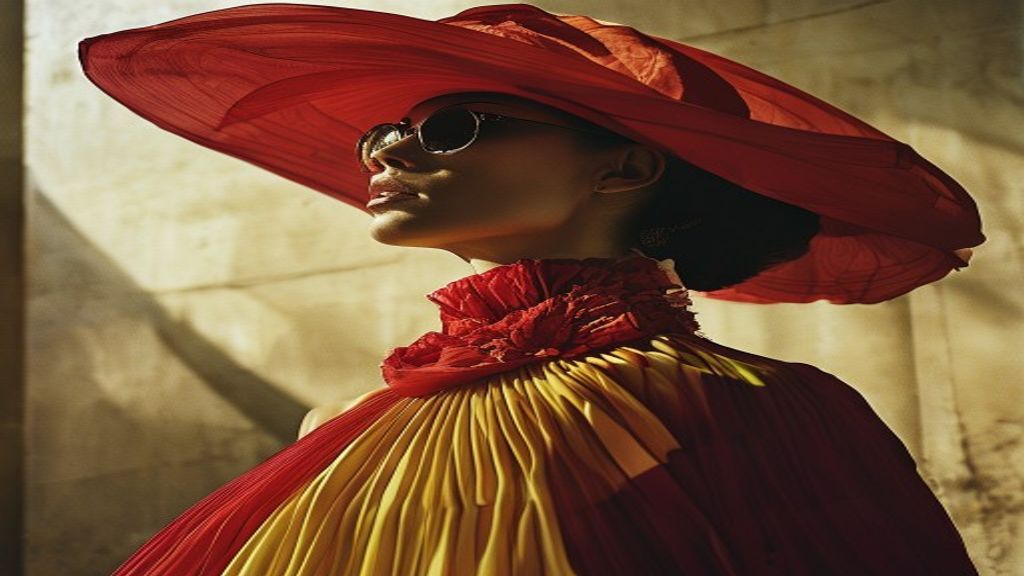
Plate · Amid Middle East Conflict and Inflation, Design Pillars Gear Up for Year of Uncertainties
Navigating the Turbid Tides: Fashion's Enduring Spirit
The global luxury fashion landscape, often perceived as a bastion of timeless elegance and aspirational beauty, finds itself at a critical juncture. As 2024 unfolds, the twin specters of geopolitical unrest, particularly stemming from the Middle East, and persistent inflationary pressures cast long shadows over an industry built on precision, foresight, and consumer confidence. Yet, within this crucible of uncertainty, the design pillars—the revered houses, visionary designers, and innovative artisans—are not merely bracing for impact; they are recalibrating, demonstrating a profound resilience and an unwavering commitment to sustainability as a guiding principle.
This period demands more than just adaptability; it calls for a fundamental re-evaluation of how luxury is created, consumed, and sustained. From the ateliers of Paris to the design studios of Milan, a palpable shift is underway, prioritizing ethical sourcing, circularity, and enduring value over transient trends. The discerning consumer, too, is evolving, seeking not just aesthetic pleasure but a deeper connection to the provenance and purpose behind their purchases.
Geopolitical Ripples: Supply Chains and Consumer Sentiment
The complexities arising from the Middle East conflict reverberate through the intricate global supply chains that underpin the fashion industry. Shipping routes are disrupted, raw material access becomes unpredictable, and the cost of logistics escalates. This instability forces brands to diversify their sourcing, invest in localized production where feasible, and foster stronger, more transparent relationships with their suppliers. The imperative for supply chain transparency and ethical labor practices becomes not just a moral obligation but a strategic necessity.
"In an era of global volatility, the true luxury lies in knowing the journey of a garment, from fiber to finish, and ensuring every step upholds human dignity and environmental integrity."
— Leading Fashion Ethicist
Beyond logistics, the conflict impacts consumer sentiment. A heightened sense of global awareness often translates into a more considered approach to luxury spending. Consumers are increasingly scrutinizing brand values, seeking alignment with their own ethical compass. This shift underscores the importance of a brand's narrative, its commitment to social responsibility, and its role in fostering positive change.
Inflationary Pressures: Redefining Value in Luxury
Inflation, a persistent economic challenge, fundamentally alters the consumer's purchasing power and perception of value. For the luxury sector, traditionally insulated from minor economic fluctuations, this means a renewed focus on the intrinsic worth of a product. Fast fashion's disposable model becomes even less appealing as consumers seek investments that transcend seasons and offer longevity.
Strategies for Enduring Value:
- Craftsmanship & Durability: Emphasizing superior materials and artisanal techniques that ensure garments and accessories last for decades.
- Timeless Design: Moving away from fleeting trends towards classic silhouettes and versatile pieces that integrate seamlessly into a curated wardrobe.
- Repair & Restoration Services: Offering programs that extend the life of luxury items, fostering a deeper connection between consumer and brand.
- Certification & Provenance: Providing clear documentation of sustainable practices, ethical sourcing, and material origins.
This economic climate champions the philosophy of 'buy less, choose well, make it last.' Luxury brands that can articulate their commitment to sustainable luxury and offer tangible value through exceptional quality and enduring design will not only weather the storm but emerge stronger.
Sustainable Innovation: The Industry's North Star
Amidst these external pressures, the commitment to sustainable fashion is not merely maintained but accelerated. It is no longer a niche concern but a core pillar of survival and innovation. Designers are pushing boundaries in material science, exploring everything from lab-grown silk and mycelium leather to recycled cashmere and ocean plastic textiles. The focus is on reducing environmental footprint at every stage of the product lifecycle.
Key Areas of Sustainable Innovation:
- Material Revolution: Investment in bio-based materials, upcycled fabrics, and regenerative agriculture for natural fibers.
- Circular Design Principles: Designing garments for disassembly, repair, and eventual recycling or composting.
- Reduced Waste & Resource Efficiency: Implementing zero-waste pattern cutting, on-demand production, and minimizing water and energy consumption in manufacturing.
- Digital Transformation: Leveraging 3D design software and virtual prototyping to reduce physical samples and associated waste.
The conversation around ethical fashion extends to transparent reporting on carbon emissions, water usage, and fair wages across the value chain. Brands are increasingly adopting circular economy models, offering rental services, resale platforms, and take-back programs to give garments a second or third life, fostering a more responsible relationship with consumption.
Design Resilience and Artisanal Craftsmanship
The heart of luxury fashion lies in its design and craftsmanship. In times of uncertainty, the emphasis on the unique, the handmade, and the meticulously constructed becomes even more pronounced. Couture collections continue to showcase unparalleled artistry, serving as laboratories for innovation and a testament to human skill. Ready-to-wear lines, too, reflect this dedication, with a focus on impeccable tailoring, thoughtful detailing, and the use of premium, often sustainably sourced, fabrics.
"True artistry thrives under pressure. It's in these moments that creativity is sharpened, and the enduring power of craftsmanship truly shines."
— Renowned Creative Director
Supporting artisanal craftsmanship and preserving traditional skills becomes a crucial aspect of sustainability. Many luxury brands are investing in local communities, ensuring fair compensation and opportunities for skilled artisans, thereby safeguarding cultural heritage and providing economic stability in regions that might otherwise be vulnerable.
Concluding Insights: A Future Forged in Purpose
The year ahead presents a complex tapestry of challenges for the luxury fashion industry, yet it also illuminates a path toward a more purposeful and resilient future. The design pillars are not merely reacting to external forces; they are proactively shaping an industry that is more conscious, more connected, and ultimately, more sustainable. The confluence of geopolitical shifts and economic pressures has, paradoxically, strengthened the resolve to embed ethical practices and environmental stewardship at the core of luxury.
Brands that demonstrate genuine commitment to sustainable innovation, prioritize ethical sourcing, and offer timeless design imbued with unparalleled craftsmanship will not only gain the trust of a more discerning global consumer but will also define the very essence of luxury in the 21st century. This era calls for fashion that is not just beautiful but also responsible—a legacy built on integrity, resilience, and a profound respect for both people and planet. The journey through uncertainty is, in fact, an opportunity for profound transformation, solidifying sustainable luxury as the enduring benchmark for excellence.