Shuffle Board: Tracking Footwear’s Executive Steps and AGM Board Elects
From polished Oxfords to strategic sneakers, executive footwear speaks volumes. We delve into the sartorial choices shaping corporate leadership and AGM elects.
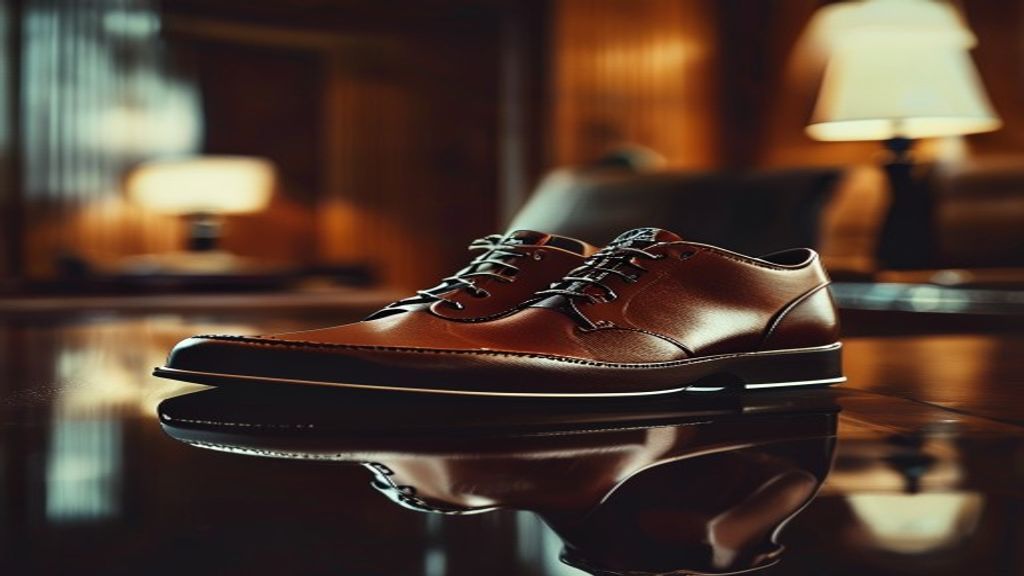
Plate · Shuffle Board: Tracking Footwear’s Executive Steps and AGM Board Elects
In the rarefied air of corporate boardrooms, every detail speaks volumes. Personal style crafts a narrative of intent and influence. Often overlooked, the footwear chosen by executives and newly elected board members at Annual General Meetings (AGMs) offers profound, unspoken commentary. This is not merely fashion; it is the intersection of design, power dynamics, and strategic communication. As the corporate landscape evolves, so too does the sartorial language of its leaders, with shoes serving as silent arbiters of taste, authority, and adaptability. We delve into the intricate world where luxury footwear meets executive ambition, dissecting how these crucial choices underpin the image of leadership in the modern era.
The Executive Stride: Footwear as a Power Indicator
For generations, the polished leather oxford or loafer has been the quintessential symbol of corporate gravitas. These classic pieces, often handcrafted from premium leather, convey tradition, discipline, and unwavering reliability. They are the sartorial equivalent of a robust balance sheet – predictable, strong, and meticulously maintained. In high-stakes environments, such choices signal respect for established protocols and a foundational understanding of corporate decorum. A bespoke pair, subtly hinting at custom craftsmanship, further elevates this statement, suggesting an appreciation for quality and an investment in personal presentation. This isn't just about dressing the part; it's about embodying it.
The Classic vs. The Contemporary
While tradition holds sway, the modern executive wardrobe is increasingly fluid. The rise of the luxury sneaker, once unthinkable in formal corporate settings, now signifies a different kind of power: agility, innovation, and a comfortable command of contemporary culture. CEOs and board members, particularly in tech or creative industries, might opt for a minimalist, designer sneaker – perhaps a pristine white leather model – paired with impeccably tailored trousers. This shift reflects a broader acceptance of business casual, yet it’s a highly intentional move. It denotes an individual both grounded in business acumen and forward-thinking, unafraid to challenge conventional norms while maintaining sophistication. The contrast highlights a fascinating generational and industry divide, each choice a deliberate signal of alignment with specific corporate values and future visions.
The Subtle Statement
Beyond overt categorizations, executive footwear's true art lies in its subtle nuances. A perfectly shined shoe speaks of attention to detail; a scuff can betray a lack of polish. The choice of sole – leather for formality, rubber for practicality – offers another layer of insight. Even the shoe's weight can convey a message: a substantial pair grounding the wearer, a lighter design suggesting nimble movement. These unspoken cues, deciphered by fashion intelligence, project an image both aspirational and authentic. For the discerning observer, these details significantly contribute to a leader’s perceived competence and personal brand.
"The foundation of power begins with the ground you walk on, a silent testament to one's journey and aspirations."
AGM Elects: A New Gait in Leadership
The Annual General Meeting is a pivotal moment for unveiling new leadership. The footwear choices of newly elected board members are particularly scrutinized, signaling their intentions and their fit within the existing hierarchy, or their desire to subtly reshape it. These individuals navigate a delicate balance: asserting their unique vision while respecting established corporate culture. Their shoes become a visual manifesto, a carefully considered element of their introductory presentation.
Diversity in Design
As boards become increasingly diverse – reflecting broader gender, age, and cultural backgrounds – so too does the array of appropriate footwear. Women in executive roles, for instance, have wider stylistic latitude than their male counterparts, moving beyond traditional pumps to embrace sophisticated loafers, elegant block heels, or designer flats. The emphasis shifts from strict adherence to a gendered dress code to a focus on professional polish and individual expression within corporate elegance. This diversification underscores a modern understanding that leadership is not monolithic, and neither is its sartorial representation. It's about empowering choice while maintaining a premium aesthetic.
The Comfort Imperative
Long hours, extensive travel, and demanding schedules make comfort a vital consideration for executive footwear. The modern luxury shoe market has responded with innovations in ergonomic design, cushioned insoles, and lightweight materials, without compromising style or craftsmanship. Brands now offer dress shoes with athletic-inspired comfort features, blurring the lines between performance and formality. This isn't a concession to casualness but a strategic adaptation, recognizing that peak performance requires physical ease. A comfortable executive can focus, project confidence, and sustain energy throughout arduous days. This blend of comfort and high fashion is a hallmark of contemporary power dressing.
Design and Diplomacy: Crafting the Boardroom Aesthetic
Footwear worn by board members often transcends personal preference, becoming a tool in corporate diplomacy. It signals alignment, or subtle divergence, with the company's brand identity and strategic direction. A tech company board might embrace sleek, minimalist designs, while a heritage luxury brand might lean towards classic, artisanal pieces. These choices are not accidental; they are part of a larger visual strategy.
Craftsmanship and Heritage
At the pinnacle of executive footwear, craftsmanship remains paramount. Brands with centuries of heritage, known for meticulous hand-stitching, Goodyear welting, and the finest full-grain leathers, continue to dominate the premium segment. These are investments, not purchases, embodying longevity, quality, and timeless appeal that transcends fleeting fashion trends. The rich patina of a well-maintained pair from a renowned atelier speaks volumes about the wearer's appreciation for enduring value and attention to detail – qualities highly prized in corporate governance. This commitment to excellence in footwear mirrors a commitment to excellence in business.
"True elegance is an investment, not a fleeting trend; it speaks to enduring value and meticulous attention to detail."
The Ergonomics of Power
Beyond aesthetics, the functional design of executive footwear plays a crucial role. A shoe that supports posture, provides stability, and allows for effortless movement contributes to an executive's overall presence and confidence. High-quality materials that breathe and adapt ensure comfort during long speeches or networking. The ergonomics of power dressing extend to the feet, recognizing that discomfort can distract and detract from a leader's ability to command attention and project authority. This scientific approach ensures style and substance are inextricably linked, providing a solid foundation for leadership.
Sustainable Soles, Ethical Steps: The Modern Mandate
In an era defined by environmental consciousness and social responsibility, the provenance of executive footwear gains prominence. Modern leaders are expected to embody organizational values, extending to their personal choices. Sustainable shoes, crafted from ethically sourced materials, recycled components, or produced through eco-friendly processes, are no longer niche products but a growing segment of luxury footwear. This shift reflects a broader commitment to ESG principles, demonstrating that style can coexist with responsibility.
Eco-Conscious Choices
The demand for eco-friendly options has spurred innovation. Brands experiment with plant-based leathers, recycled rubber soles, and production methods minimizing waste and carbon footprint. For a board member, choosing meticulously crafted, sustainable dress shoes or luxury sneakers sends a powerful message: they are forward-thinking, responsible, and aligned with global imperatives. It's a quiet declaration of values, resonating with stakeholders who increasingly prioritize ethical consumption and corporate stewardship. This integration of sustainability into high fashion defines contemporary executive style.
Supply Chain Transparency
Beyond materials, supply chain transparency is critical. Executives are increasingly aware that their choices reflect not just personal taste, but also commitment to ethical labor practices and responsible sourcing. Footwear brands demonstrating full traceability, fair wages, and safe working conditions gain favor. This due diligence in personal sartorial choices mirrors the due diligence expected in corporate operations, underscoring a holistic approach to responsible leadership. The narrative behind the shoe becomes as important as its design.
Future Footprints: Innovation and Influence
The trajectory of executive footwear points towards continued innovation, where technology and bespoke craftsmanship converge. The future promises greater personalization, enhanced performance, and deeper integration of ethical considerations.
Tech-Integrated Footwear
Imagine dress shoes that subtly track activity, offer adaptive cushioning based on gait analysis, or incorporate discreet smart features for connectivity. While still nascent in luxury formal wear, the integration of wearable technology into footwear is an inevitable evolution. For the ultra-modern executive, such advancements could offer a unique blend of style, comfort, and data-driven insights, blurring lines between fashion and function. These innovations will cater to a demographic valuing efficiency and cutting-edge design, even in traditional settings.
Personalization at the Pinnacle
The ultimate luxury is personalization. Beyond bespoke sizing and material choices, future executive footwear may offer greater customization of aesthetic details, ergonomic support tailored to individual gait, and even subtle branding elements reflecting personal or corporate identity. This move towards hyper-personalization underscores a desire for unique expression within professional elegance, allowing leaders to project an even more refined and distinctive image. It's about owning a piece that is not just high-quality, but uniquely theirs, a true extension of their executive persona.
Concluding Insights
The journey of executive footwear, from the steadfast classic to the innovative sustainable sole, reflects dynamic shifts within the corporate world. It is a microcosm of evolving leadership styles, technological advancements, and heightened global consciousness. Far from being a mere accessory, the shoe on an executive’s foot is a powerful, non-verbal communicator of status, intent, and personal brand. As AGMs elect new visions and boardrooms redefine aesthetics, footwear choices will continue to shuffle perceptions of power, influence, and the very definition of executive elegance. For those who understand its language, every step tells a story of ambition, integrity, and strategic foresight. In high finance and corporate governance, the right pair of shoes is not just an investment in style, but an investment in one's commanding presence and enduring legacy.