The Unraveling Thread: Europe's Luxury Textile Industry at a Crossroads
A recent warning from trade groups underscores the precarious state of Europe's textile industry, threatening the very foundations of global luxury fashion and artisanal heritage.
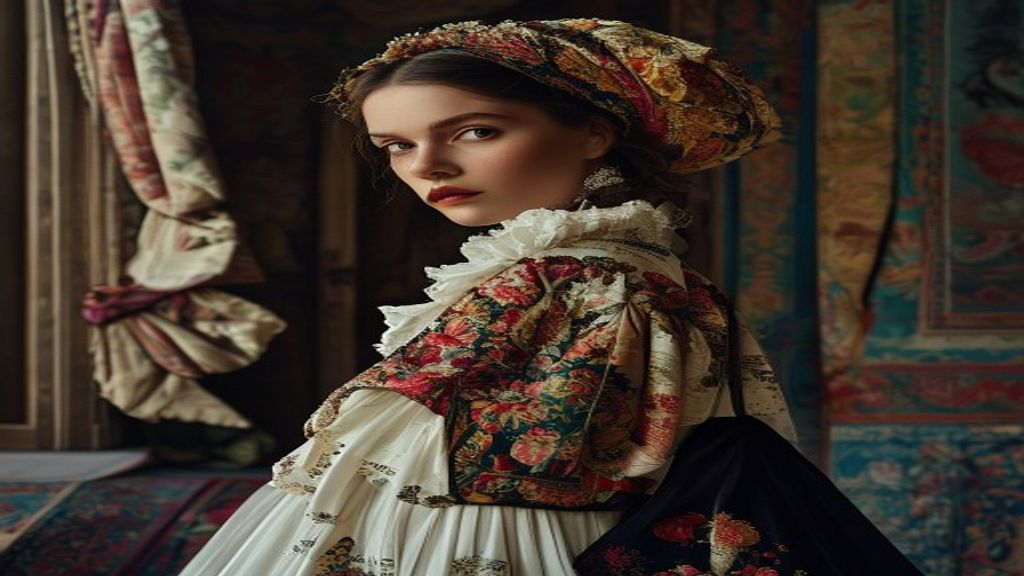
Plate · The Unraveling Thread: Europe's Luxury Textile Industry at a Crossroads
The very essence of European luxury, often defined by its unparalleled craftsmanship and exquisite materials, finds itself at a precarious juncture. A recent, sobering pronouncement from leading trade organizations, notably Euratex, warns that Europe is demonstrably "losing" its foundational textile industry. This isn't merely an economic statistic; it is a profound cultural lament, a potential unraveling of the intricate threads that have for centuries woven the identity of European fashion. From the gossamer silks of Como to the robust wools of Yorkshire, the delicate laces of Calais to innovative technical fabrics, European textiles are more than commodities; they are the bedrock of design integrity, silent partners in every iconic garment, and custodians of an artisanal heritage that is, quite simply, irreplaceable. The implications extend far beyond factory gates, threatening to diminish the soul of luxury fashion and compromise the future of bespoke tailoring, sustainable practices, and the unparalleled quality for which European brands are revered globally. This moment demands a concerted, strategic response to safeguard a legacy that defines global elegance and innovation.
The Unraveling Thread: A Crisis of European Textile Manufacturing
The warning from Euratex is not an isolated alarm but the culmination of years of mounting pressures. European textile manufacturers, long celebrated for their precision, quality, and commitment to ethical production, are facing an unprecedented confluence of challenges that threaten their very existence. Foremost among these are the exorbitant energy costs, which have soared to unsustainable levels, particularly impacting energy-intensive processes like dyeing, finishing, and spinning. Coupled with volatile raw material prices and an increasingly aggressive global competition, particularly from regions with lower labor and environmental costs, the operational landscape has become intensely hostile. These economic headwinds are eroding profit margins, forcing closures, and driving production offshore, leading to a palpable decline in domestic manufacturing capacity. The repercussions are acutely felt across specialized sectors crucial to luxury fashion. The intricate weaving of high-end fabrics, the meticulous production of rare silks, the artisanal processing of cashmere, and the creation of bespoke woolens – these are not easily replicated. Each textile innovation, each premium fabric, represents generations of accumulated knowledge and specialized machinery that, once lost, cannot simply be reinstated. The erosion of this industrial base imperils the entire luxury supply chain, from concept to runway.
The Economic Imperative: Beyond the Bottom Line
The decline of the textile industry is often viewed through a narrow economic lens. However, its true value extends far beyond the bottom line. The European textile sector is a significant employer, particularly in rural and historically industrial regions, providing skilled jobs vital for local economies. These encompass highly specialized roles in design, textile technology, sustainable material development, and complex manufacturing processes. The loss represents a brain drain of unparalleled expertise. Furthermore, the textile industry anchors a myriad of ancillary businesses, from machinery manufacturers to research institutions. Its diminution creates a ripple effect, destabilizing entire ecosystems. The ability to innovate in textile technology, develop new sustainable practices, and maintain manufacturing excellence is intrinsically linked to a robust domestic industry. Without it, Europe risks becoming a mere consumer of textiles, rather than a creator, thereby losing critical influence on global fashion trends and its capacity for self-reliance in a vital sector.
A Tapestry of Tradition: The Irreplaceable Value of European Craftsmanship
What truly distinguishes European luxury fashion on the global stage is its unwavering commitment to quality, its profound respect for heritage, and its relentless pursuit of innovation – all underpinned by its textile industry. The "Made in Europe" label is not just geographical; it is a hallmark of artisanal craftsmanship, ethical production, and superior design integrity. Regions like Italy's Lombardy for silks, France's Calais for intricate laces, the UK's Savile Row for exceptional tweeds, and Germany's technical textile prowess, each contribute a unique and irreplaceable thread. These are not just production sites; they are living repositories of textile knowledge, where techniques passed down through generations meet cutting-edge research. The hand of the artisan, meticulous attention to detail, nuanced understanding of fiber and weave – these are intangible assets that cannot be outsourced without compromising the soul of a luxury garment.
"The true luxury of European fashion is woven not just into the fabric, but into centuries of inherited skill and unwavering dedication."
This deep-rooted tradition fosters an environment where quality is paramount, and innovation is often born from a profound understanding of classical methods. The very notion of slow fashion, of investing in pieces designed to last a lifetime, is intrinsically linked to the durability and timelessness of European-made textiles. The meticulous process of creating a bespoke suit, a haute couture gown, or a premium accessory begins with the selection of a fabric that embodies excellence, a fabric whose story is as rich as its texture.
The Nexus of Design and Production: A Symbiotic Relationship
For generations, European designers have thrived on close proximity to their textile suppliers. This symbiotic relationship allows for unparalleled collaboration, rapid prototyping, and creative freedom difficult to achieve with distant production. Designers can visit mills, discuss new fiber blends, experiment with finishes, and develop bespoke textiles that precisely meet their aesthetic and functional requirements. This intimate connection fuels textile innovation, enabling the creation of unique fabrics that become signature elements of luxury collections. Without this direct engagement, the agility and responsiveness characterizing the European fashion industry would be severely hampered. The ability to react quickly to emerging fashion trends, develop sustainable materials in real-time, and ensure highest quality control all benefit from a strong domestic manufacturing base. Losing this nexus would not only impact textile production but fundamentally alter the creative process, potentially diluting the distinctiveness and innovative edge of European fashion design.
Charting a New Course: Strategies for Resilience and Renewal
The current trajectory, if unchecked, portends a future where Europe’s storied textile legacy becomes a mere historical footnote. However, the crisis also presents an urgent opportunity for reinvention and strategic recalibration. A multi-faceted approach, involving concerted efforts from policymakers, industry leaders, and consumers, is essential to reverse this decline and foster a resilient, forward-looking textile sector.
Key strategies for renewal include:
- Strategic Industrial Policy: Governments must implement robust industrial policies that recognize the textile industry as a strategic asset. This includes targeted financial support, tax incentives for domestic production, and measures to stabilize energy costs and raw material supply chains.
- Investment in R&D and Textile Technology: Prioritizing public and private investment in research and development is crucial. This should focus on cutting-edge textile innovation, including advanced materials, smart textiles, biodegradable fibers, and circular economy solutions that reduce waste and enhance sustainability.
- Strengthening Vocational Training and Skill Development: To counteract the loss of specialized skills, there must be a renewed emphasis on vocational training programs. These initiatives should aim to attract new talent and upskill existing workers in traditional artisanal craftsmanship, modern manufacturing techniques, and textile technology.
- Promoting 'Made in Europe' and Ethical Production: A concerted campaign to educate consumers about the value of 'Made in Europe' textiles – emphasizing quality, ethical production, and environmental stewardship – can drive demand and foster brand loyalty. Clear labeling and traceability initiatives are vital here.
- Fostering Circularity and Sustainability: Europe can lead the global shift towards a truly circular fashion economy by investing in textile recycling infrastructure, developing innovative sustainable practices, and designing for longevity and recyclability from the outset. This not only aligns with European values but also creates new economic opportunities.
- Fair Trade and Level Playing Field: Advocacy for fair trade policies and a level playing field in international markets is crucial to ensure that European manufacturers are not unfairly disadvantaged by differing regulatory standards or subsidies elsewhere.
"To lose our textile industry is to lose a piece of our very identity, a thread in the grand tapestry of European culture."
These measures are not merely about preserving an industry; they are about safeguarding a significant part of Europe's cultural and economic identity. By embracing innovation while honoring tradition, Europe can weave a future where its textiles continue to define global luxury and sustainability.
Concluding Insights: Weaving the Future of European Fashion
The warning that Europe is "losing" its textile industry should serve as a clarion call, resounding through the ateliers of Paris and the mills of Biella. This is not merely an economic challenge; it is an existential threat to the very foundation of luxury fashion, to artisanal craftsmanship, and to the sustainable future of an industry that has long defined European excellence. The intricate dance between textile innovation and fashion design, the commitment to premium fabrics, and unwavering dedication to ethical production are all at stake. The path forward demands decisive action. Policymakers must implement tangible industrial policies that support domestic manufacturing, foster textile technology, and stabilize the operating environment. Industry leaders must invest in sustainability, embrace circular economy models, and champion the unique value proposition of European-made goods. Consumers, too, have a role to play, by consciously choosing products that reflect a commitment to quality, heritage, and responsible sourcing. The story of European textiles is one of resilience, innovation, and an enduring passion. To allow this industry to unravel would be to diminish Europe's global standing, silence a vital voice in fashion, and sever a crucial link to an invaluable heritage. The threads of the future are still in our hands; it is incumbent upon us all to weave them with purpose, foresight, and an unwavering commitment to preserving the unparalleled legacy of European fashion. The time for action is now.