End of an Era: BMW Z4 Roadster's Final Lap in Streetwear Style
BMW’s Z4 Roadster officially ceases production, marking the end of an icon that seamlessly blended automotive prowess with a distinct streetwear aesthetic. We unpack its legacy.
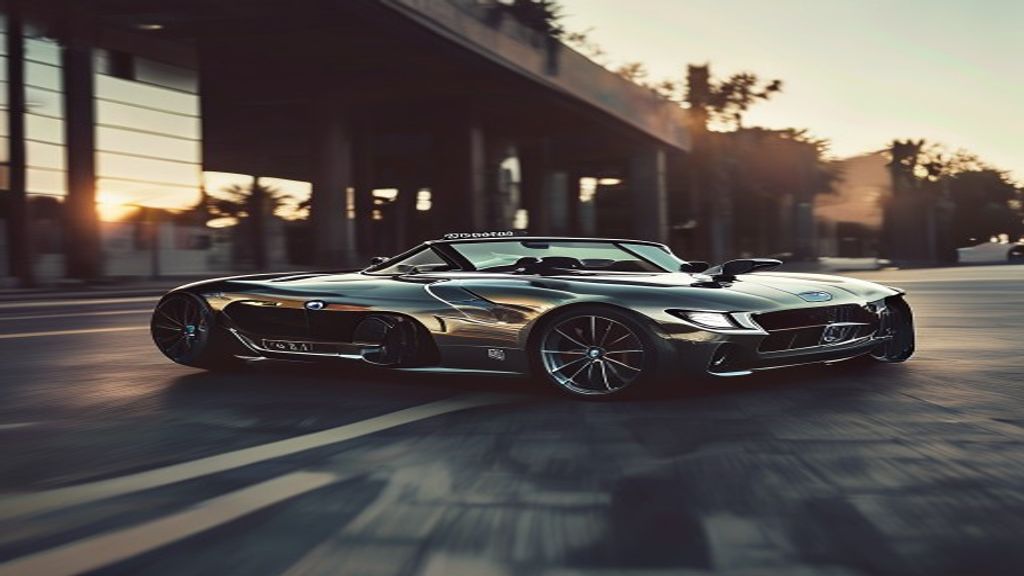
Plate · End of an Era: BMW Z4 Roadster's Final Lap in Streetwear Style
In the ever-evolving landscape where high fashion collides with street culture, certain objects transcend their primary function to become bona fide style statements. The BMW Z4 Roadster was precisely one such icon. Today, the automotive world, and by extension, the fashion-forward collective, marks a significant moment: BMW has officially ceased production of the Z4 Roadster. This isn't just news for car enthusiasts; it's a seismic shift for anyone who understands the intricate dance between design, identity, and the curated lifestyle.
For years, the Z4 wasn't merely a vehicle; it was an extension of a meticulously crafted image, a crucial accessory in a world where your ride speaks volumes about your drip. Its sleek lines, aggressive stance, and undeniable road presence made it a favorite among those who appreciated a potent blend of performance and panache. As we bid adieu to this two-seater legend, we delve into its indelible mark on the intersection of automotive excellence and premium streetwear culture.
The Z4's Legacy: A Streetwear Icon in Disguise
To truly grasp the Z4's impact, one must look beyond its engineering marvels and appreciate its role as a cultural artifact. In an era dominated by SUVs and crossovers, the Z4 held its ground as a defiant statement of pure, unadulterated driving pleasure, wrapped in a silhouette that effortlessly complemented the most discerning wardrobes. It was the ultimate 'fit' accessory for the urban explorer, the creative director, the influencer whose feed was as curated as their closet. From glossy magazine spreads featuring emerging designers to the backdrop of high-profile music videos, the Z4 became synonymous with a certain aspirational cool, a blend of accessible luxury and undeniable street credibility.
Beyond the Asphalt: A Cultural Canvas
The Z4 didn't just transport; it translated. It was a vehicle for expression, a canvas upon which personal style was projected. Its presence in popular culture cemented its status far beyond the dealership lot:
- Music Video Appearances: Often spotted cruising through cityscapes or parked dramatically in avant-garde settings, the Z4 lent an air of sophisticated rebellion to countless visual narratives, resonating with the raw energy of hip-hop and electronic music artists.
- Fashion Editorial Features: Its sculptural form and dynamic lines made it a natural muse for photographers and stylists. The Z4 frequently graced the pages of premium fashion publications, serving as the perfect foil for new collections, from minimalist tailoring to bold, maximalist ensembles.
- Influencer Favorite: For a generation that lives and breathes visual storytelling, the Z4 offered a compelling aesthetic. Its photogenic qualities made it a go-to for content creators looking to elevate their lifestyle narratives, showcasing a seamless integration of luxury mobility into daily life.
"The Z4 wasn't just metal and horsepower; it was a statement piece, an accessory to the most curated fits, a silent nod to those who understood the language of understated luxury and overt style."
Design DNA: Sculptural Form Meets Urban Function
What set the Z4 apart was its unapologetic design language. BMW's commitment to dynamic proportions and a driver-centric ethos truly shone through. The long hood, short overhangs, and recessed seating position created a classic roadster silhouette, yet it was infused with a contemporary edge that spoke directly to modern design sensibilities. This wasn't a car designed to blend in; it was crafted to command attention, much like a limited-edition drop from a coveted streetwear label. The meticulous surfacing, the sharp creases, and the interplay of light and shadow across its body panels evoked a sense of movement even at a standstill. It was a masterclass in automotive aesthetics, mirroring the thoughtful construction and innovative fabrication found in high-end apparel.
Interiors: The Driver's Bespoke Capsule
Step inside a Z4, and you immediately understood the emphasis on a personalized experience. The cabin was a bespoke capsule, an intimate space where premium materials met ergonomic precision. Leather upholstery, often in bold colorways or intricate stitching patterns, felt akin to a custom-tailored garment. The tactile quality of the controls, the intuitive layout, and the subtle ambient lighting all contributed to an atmosphere of refined luxury. This wasn't merely about driving; it was about inhabiting a space designed for comfort, control, and an undeniable sense of occasion. It resonated with the same philosophy behind a well-curated capsule wardrobe: every element serves a purpose, enhances the experience, and speaks to a discerning taste.
"Every curve, every stitch, every panel of the Z4 spoke to a meticulous design philosophy, mirroring the precision found in a perfectly tailored garment or an architecturally significant accessory."
The Roadster's Place in the Zeitgeist: A Nod to Avant-Garde Mobility
The Z4 emerged at a time when the automotive industry was grappling with its identity, much like the fashion world was navigating the blurring lines between haute couture and street-level cool. It represented a particular moment – a celebration of individual expression and a rejection of the mundane. Its two-seater configuration, its focus on pure driving dynamics, and its distinctive aesthetic appealed to a demographic that valued experience over sheer practicality. These were the early adopters, the trendsetters who understood that true luxury often lies in the exclusive, the unique, and the statement-making. The Z4 wasn't just a car; it was a lifestyle choice, an affirmation of a certain kind of urban chic that valued authenticity and flair.
From Runway to Road: The Blurring Lines
The journey of the Z4, from concept to production and through its various iterations, mirrors the seasonal cycles of fashion. Each generation was a 'collection,' showcasing an evolution in design, technology, and cultural relevance. Like a revered heritage brand that consistently reinterprets its classics for a contemporary audience, BMW continuously refined the Z4 while maintaining its core identity. Its appeal to the 'drop culture' mentality was palpable; limited editions and specific engine variants became sought-after 'grails' for collectors and enthusiasts, much like rare sneakers or exclusive apparel collaborations. This synergy between automotive design and fashion's cyclical nature underscores the Z4's profound impact as more than just a mode of transport but as a piece of functional art.
The Evolution of Automotive Luxury & Street Style: A Shifting Silhouette
The cessation of the Z4's production is not an isolated event; it's a symptom of larger currents reshaping both the automotive and fashion industries. The global shift towards electrification, the burgeoning demand for SUVs, and the increasing focus on autonomous driving technologies are all contributing to a redefinition of luxury mobility. The classic roadster, with its singular focus on driving pleasure and open-air exhilaration, finds itself at a crossroads. Yet, this moment also signals an opportunity for new forms of expression. Just as streetwear has evolved from niche subculture to mainstream luxury, so too will automotive design adapt, incorporating new materials, sustainable practices, and innovative power trains while striving to maintain an emotional connection with the driver.
Future Forward: What the Z4's Departure Signifies
The Z4's departure signifies a pivot. It's a testament to the industry's need to innovate and adapt. While the raw, visceral experience of a gasoline-powered roadster may become a relic of the past, the spirit it embodied—bold design, individual expression, and a connection to cultural zeitgeist—will undoubtedly manifest in future vehicles. We're witnessing the dawn of new aesthetics, where techwear influences, utilitarian design principles, and a conscious approach to sustainability will dictate the next generation of luxury mobility. The Z4 paves the way for a future where a vehicle's 'fit' might involve not just its aesthetic appeal, but its ecological footprint and its seamless integration into a digitally-driven lifestyle.
Concluding Insights: The End of a Chapter, The Beginning of a New Aesthetic
The BMW Z4 Roadster, in its various iterations, was more than just a car; it was a cultural touchstone, a symbol of a particular era's intersection of luxury, performance, and street-savvy style. Its cessation of production marks the end of a chapter for a vehicle that effortlessly bridged the gap between engineering prowess and a compelling fashion narrative. As senior editors in this dynamic space, we understand that true style is never static; it evolves, adapts, and reinvents itself. The Z4's legacy will endure, not just in the annals of automotive history, but in the collective memory of those who recognized its intrinsic value as a statement piece, a ride that always had the perfect drip. While we mourn the loss of a tangible icon, we eagerly anticipate the next wave of design innovation that will continue to push the boundaries of luxury, mobility, and personal expression in a world increasingly driven by aesthetic intent.