Beyond Basics: How Mills Are Reinventing Denim for F/W 2027–2028
Witness denim's radical evolution for F/W 27/28. Mills defy convention, weaving narratives of sustainability, luxury, and tactile innovation into the very fabric of our future.
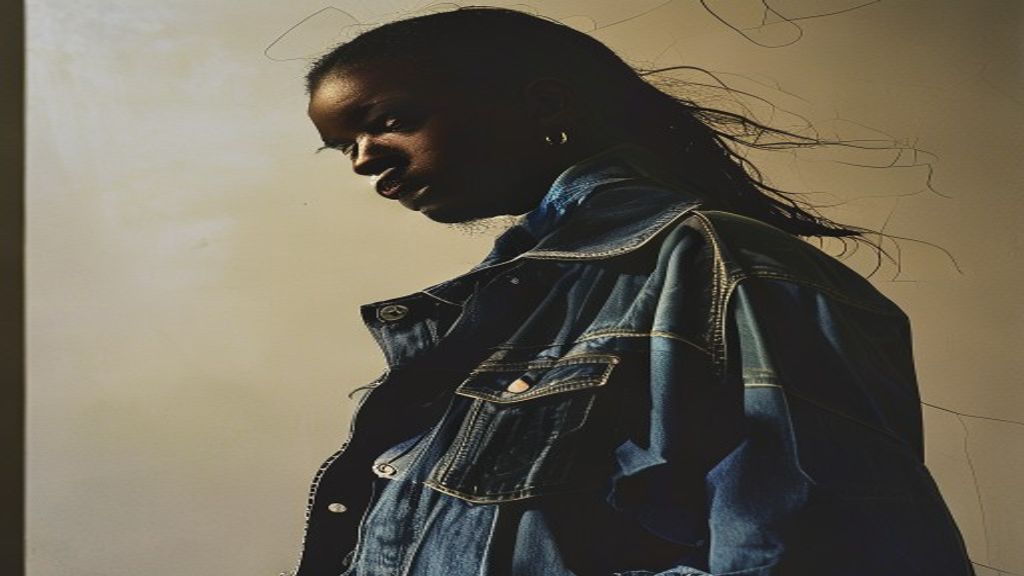
Plate · Beyond Basics: How Mills Are Reinventing Denim for F/W 2027–2028
In the ephemeral realm of fashion, where trends ripple and recede like tides, certain archetypes endure. Denim, that ubiquitous blue canvas, has for centuries anchored our wardrobes, a testament to its democratic appeal and rugged versatility. Yet, as the fashion firmament shifts towards an epoch of profound consciousness and avant-garde exploration, the very essence of denim is undergoing a radical metamorphosis. For Fall/Winter 2027–2028, the industrial titans – the mills – are no longer mere producers; they are alchemists, architects, and visionaries, forging a future for denim that transcends its utilitarian past and redefines it as a pinnacle of luxury, innovation, and ethical integrity. This is not merely an evolution; it is a revolution, a daring leap beyond the basic, into a dimension where fabric becomes narrative, and every thread tells a story of ingenuity.
The impending seasons demand a textile lexicon that speaks to both tactile desire and profound responsibility. The traditional indigo twill, while cherished, is now but a starting point for an unprecedented journey into material science, artisanal craft, and digital integration. From the hallowed halls of cutting-edge research to the rhythmic hum of sophisticated looms, mills across the globe are engaging in a high-stakes reinvention, challenging the very parameters of what denim can be. This pivotal moment sees denim emerge not just as a fabric, but as a statement – a sartorial manifesto for a future where design, ethics, and unparalleled aesthetic converge.
The Alchemists of Indigo: A New Era for Mills
No longer confined to the shadows of the supply chain, the world's leading denim mills have stepped into the spotlight as formidable forces of innovation. These are the laboratories where the future of fashion is quite literally spun, dyed, and woven. Their commitment to F/W 2027–2028 extends far beyond incremental improvements; it’s about a fundamental re-engineering of the denim experience. Investment in nascent technologies, from AI-driven design processes to advanced fiber blending, underscores a strategic shift towards holistic textile solutions. The mills are now crucial partners in creative direction, offering designers a palette of possibilities previously unimaginable, pushing the boundaries of what is technically and aesthetically feasible.
The Genesis of Future Fabrics
- Advanced Yarn Engineering: The foundational element of denim, the yarn, is being re-imagined. Mills are developing multi-component yarns that blend natural fibers with bio-synthetics, recycled content, and even novel materials like seaweed or mushroom-derived cellulose. This engineering allows for unprecedented strength, softness, and unique textural properties.
- Precision Weaving Protocols: Sophisticated loom technologies now allow for intricate, multi-dimensional weaves that create inherent patterns, varying densities, and even structural elements directly within the fabric. This moves beyond simple twill, introducing jacquard-like complexities and engineered stretch zones.
- Holistic Finishing Techniques: Post-weaving, the finishing processes are becoming increasingly advanced and sustainable. Laser etching, ozone washing, and bio-enzyme treatments replace traditional, resource-intensive methods, delivering nuanced finishes with minimal environmental impact.
"The mills are the unsung heroes, the true avant-garde of textiles. They don't just produce fabric; they manifest the future, thread by meticulous thread."
Tactile Futurism: Textural Innovations
For F/W 2027–2028, the hand-feel of denim is paramount. Beyond visual appeal, the sensorial experience of touching and wearing denim will define its luxury quotient. Mills are crafting fabrics that invite interaction, challenging our preconceived notions of denim’s texture. We are seeing the emergence of 'liquid denim' – fabrics so fluid and soft they drape like silk, yet retain denim's inherent resilience. Conversely, 'sculptural denim' offers a rigid, architectural quality, holding its form with an almost ceramic precision, ideal for avant-garde silhouettes.
Sensorial Landscapes
- Liquid Denim: Achieved through ultra-fine denier yarns, Tencel or Modal blends, and advanced softening finishes, these denims possess an unparalleled drape and a cool, silky touch. Perfect for flowing trousers, dresses, and deconstructed shirting.
- Sculptural Rigidity: Utilizing denser weaves, specialized coatings, and innovative fiber compositions (e.g., linen-hemp blends with a subtle resin finish), these denims offer structured volume and crisp lines, ideal for exaggerated sleeves, architectural skirts, and tailored outerwear.
- Aero-Light Compositions: Defying denim’s traditional weight, new ultra-light compositions blend cotton with air-spun synthetics or hollow fibers, creating fabrics that are feather-light yet surprisingly durable, offering breathability and ease of movement for performance-inspired pieces.
- Brushed & Bouclé Textures: Elevating comfort and visual depth, mills are experimenting with brushed surfaces for a cashmere-like softness, and subtle bouclé effects that introduce a delicate, almost wool-like texture to the denim surface, adding warmth and sophistication.
The Sustainable Imperative: Eco-Conscious Craft
The conversation around sustainability has transcended mere trend to become a non-negotiable pillar of premium fashion. For F/W 2027–2028, denim mills are leading the charge, embedding circularity, regeneration, and minimal impact into every stage of production. This isn't greenwashing; it's a systemic overhaul, driven by genuine innovation and a profound sense of responsibility. From the genesis of the fiber to the final finish, every process is scrutinized for its ecological footprint, ensuring denim's enduring legacy is one of stewardship, not depletion.
Circularity and Regeneration
- Regenerative Agriculture: Collaborations with cotton farmers are focusing on regenerative practices that improve soil health, enhance biodiversity, and capture carbon, moving beyond organic to truly restorative farming. This yields 'climate-positive' cotton.
- Closed-Loop Systems: Mills are pioneering closed-loop manufacturing where water is recycled, waste is minimized and re-integrated, and energy consumption is drastically reduced through renewable sources. This ensures a near-zero effluent discharge.
- Bio-Synthetic Symbiosis: The integration of bio-based synthetics (e.g., derived from corn, algae, or plant waste) with natural fibers creates durable, high-performance denim that is both biodegradable and renewable, reducing reliance on virgin fossil-fuel-based synthetics.
- Recycled & Upcycled Content: A significant push towards incorporating post-consumer and pre-consumer recycled denim, as well as innovative upcycled materials, into new fabrics, diverting textile waste from landfills and creating a truly circular material flow.
"Sustainability is no longer a choice; it is the very fabric of our future. Mills are weaving this truth into every thread of denim for F/W 2027–2028."
Beyond Blue: Chromatic Disruptions
While indigo remains iconic, F/W 2027–2028 sees denim's chromatic palette explode into a spectrum of nuanced hues and experimental finishes. Mills are pushing the boundaries of dyeing techniques, moving beyond traditional methods to create truly unique color stories. We are witnessing a shift towards mineral pigments, offering earthy, grounding tones, alongside iridescent finishes that shimmer with an otherworldly glow. The concept of 'denim as a blank canvas' is being redefined, as the fabric itself becomes an active participant in the color narrative.
The Spectrum Reimagined
- Mineral Pigments: Dyes derived from natural minerals and earth elements offer a sophisticated, muted palette of ochres, deep greens, slate grays, and rusts. These colors possess a natural variation and depth that synthetic dyes cannot replicate, aging beautifully over time.
- Iridescent Finishes: Through specialized coatings or multi-layered weaving, denim is imbued with a subtle, shifting iridescence. This creates a captivating play of light and shadow, transforming the fabric into a dynamic, almost living surface, perfect for eveningwear or statement pieces.
- Ombré Dynamics: Advanced garment dyeing and printing techniques allow for seamless ombré transitions and gradient effects directly on the denim, moving from deep saturation to ethereal translucency, adding a painterly quality to the fabric.
- Ecru & Undyed Purity: A strong counter-trend emphasizes the raw, unadulterated beauty of natural cotton. Ecru denim, often with visible flecks of cotton seed, celebrates the material in its purest form, offering a minimalist yet luxurious aesthetic.
The Digital Weave: Tech Integration
The convergence of fashion and technology is accelerating, and denim is at the forefront of this innovation. Mills are integrating smart textiles and digital manufacturing processes to create fabrics that are not only aesthetically pleasing but also functionally intelligent. This opens up a new frontier for personalized garments, performance wear, and truly interactive fashion experiences. The denim of F/W 2027–2028 is not just worn; it interacts, adapts, and responds.
Smart Threads and Intelligent Fabrics
- Conductive Yarns: Micro-fine conductive threads are being woven directly into denim, allowing for integrated touch sensors, biometric monitoring, and even subtle heating elements. This paves the way for "wearable tech" that is seamlessly integrated and aesthetically discreet.
- 3D Weaving Architectures: Advanced looms are capable of weaving three-dimensional structures directly into the fabric, creating intricate patterns, varying thicknesses, and even pre-formed garment components without traditional cutting and sewing, minimizing waste.
- Personalized Digital Finishes: Laser technology is evolving beyond simple distressing. Mills are utilizing precision lasers for intricate digital patterns, customized textures, and even embedded QR codes or unique identifiers directly onto the denim surface, allowing for bespoke detailing and enhanced traceability.
"The denim of tomorrow won't just clothe us; it will connect, monitor, and inspire. It's a second skin, intelligently woven."
Form and Function: Silhouette-Driven Fabrics
The reinvention of denim by mills is not just about aesthetics and ethics; it's profoundly impacting garment construction and silhouette. New fabric properties are enabling designers to sculpt forms that were previously impossible with traditional denim. The interplay between fabric's inherent drape, rigidity, and stretch dictates the architectural narrative of a collection, allowing for a freedom of design that is both innovative and deeply considered. For F/W 2027–2028, denim is a material that actively shapes the garment, rather than merely filling it.
Architectural Narratives
- Engineered Drape: The liquid denims and Tencel-blends allow for sophisticated draping, enabling designers to create fluid, elegant trousers, bias-cut skirts, and soft tailoring that move with unparalleled grace, defying denim's typical stiffness.
- Performance-Enhanced Rigidity: For structured garments, mills are developing denims with precise stiffness and memory. These fabrics hold their shape through complex pleating, volumetric sleeves, and architectural collars, offering a sculptural quality reminiscent of haute couture.
- Adaptive Stretch & Recovery: Beyond basic elastane, new stretch technologies provide multi-directional elasticity with superior recovery, allowing for ergonomic designs that conform to the body while maintaining their shape over time, crucial for both comfort and garment longevity.
- Bonded & Fused Fabrics: Innovative bonding techniques are creating double-faced denims or fusing denim with other materials (e.g., neoprene, silk) to create composite textiles with unique structural properties, offering warmth, wind resistance, and distinct silhouettes.
Concluding Insights: The Future Fabric of Fashion
The journey beyond basics for denim is not merely a fleeting trend; it is a profound paradigm shift, orchestrated by the relentless innovation within the world's most visionary mills. For Fall/Winter 2027–2028, denim sheds its workwear origins to embrace a future where luxury, sustainability, and cutting-edge technology converge. It becomes a testament to human ingenuity, a fabric that is as intelligent as it is beautiful, as responsible as it is desirable.
The implications are vast. Designers are now equipped with an expanded lexicon of materials, allowing for unparalleled creative freedom. Consumers, increasingly discerning, will demand not just style, but substance – textiles that tell a story of ethical production, environmental care, and enduring quality. The humble denim jean, jacket, or dress will no longer be a mere staple; it will be an artifact of conscious design, a piece of wearable art, and a powerful statement about the future of fashion itself. The mills, those silent architects of our sartorial destiny, have laid the groundwork. Now, it is up to the designers to sculpt this reinvented indigo into the iconic garments that will define the next era of style.