French Luxury by the Numbers: Unveiling the Economic Tapestry of Elegance
Beyond the iconic ateliers and runways, discover the formidable economic power and meticulous craftsmanship defining France's enduring reign in luxury fashion and haute couture.
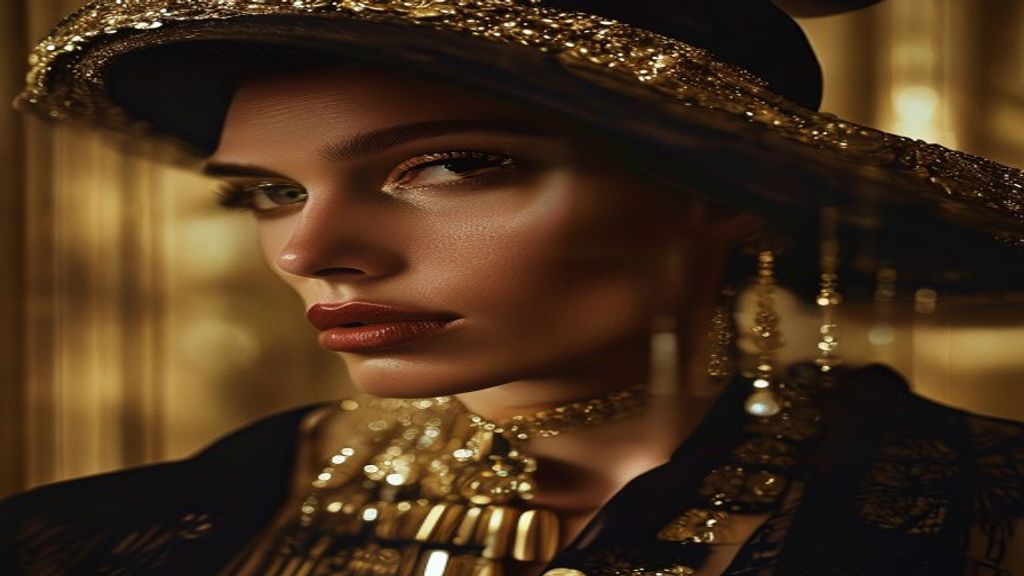
Plate · French Luxury by the Numbers: Unveiling the Economic Tapestry of Elegance
The Economic Citadel: A Global Powerhouse
French luxury, often perceived through the shimmering veil of haute couture and the hushed reverence of exclusive ateliers, is, at its core, a formidable economic engine. Far from being merely an aesthetic pursuit, it represents a colossal force within the global luxury market, a testament to centuries of unparalleled craftsmanship and shrewd business acumen. The numbers speak volumes: France consistently commands a significant portion of the global luxury goods market, often exceeding 20-25% of its total value. This translates into an annual revenue stream that can comfortably surpass €150-200 billion, injecting vital capital into the national economy and bolstering France's GDP with remarkable resilience.
This economic prowess is not merely a matter of sales figures; it underpins a vast ecosystem of employment. Hundreds of thousands of individuals find their livelihoods intertwined with the luxury sector, from the master artisans meticulously crafting leather goods and fine jewelry to the innovative designers shaping prêt-à-porter collections, the marketing strategists, and the retail specialists who bring these exquisite creations to the world. It is a sector that champions both tradition and innovation, fostering skilled labor and investing in the future of French excellence.
Driving Forces: LVMH, Kering, Hermès
At the vanguard of this economic citadel stand the titans of French luxury: LVMH Moët Hennessy Louis Vuitton, Kering, and Hermès International. These conglomerates are not just corporate entities; they are custodians of some of the world's most revered luxury brands, each a beacon of French elegance. LVMH, for instance, boasts an unparalleled portfolio encompassing Louis Vuitton, Dior, Celine, Givenchy, Fendi, and an array of prestigious names across fashion, jewelry, wines & spirits, and hospitality. Kering, with its stable including Saint Laurent and Balenciaga, similarly wields immense influence. Hermès, maintaining its independence, represents the pinnacle of artisanal craftsmanship and timeless design. Their collective financial might, strategic global reach, and relentless pursuit of excellence are the bedrock upon which the entire French luxury industry thrives, setting benchmarks for quality and desirability worldwide.
"French luxury is not merely an industry; it is a meticulously woven economic tapestry, each thread representing centuries of heritage and unparalleled innovation."
Haute Couture & Prêt-à-Porter: The Art of Creation
The distinction between haute couture and prêt-à-porter is fundamental to understanding the creative and commercial duality of French fashion. While couture operates on a scale of exquisite exclusivity, its influence resonates profoundly throughout the broader fashion landscape, validating the artistry that informs even the most commercially viable collections.
The Priceless Art of Couture
Haute couture, a protected designation in France, represents the zenith of sartorial artistry. Though its direct commercial volume is comparatively small, its symbolic value is immeasurable. A single haute couture gown can demand thousands of hours of painstaking handwork, involving rare materials, intricate embroidery, and bespoke fittings. This investment in time, skill, and precious resources is not merely for the few who can afford it; it is a powerful statement of a brand's creative vision, pushing the boundaries of design innovation and solidifying its reputation for unparalleled excellence. The aura generated by haute couture directly elevates the desirability and perceived value of a brand's prêt-à-porter lines and luxury accessories.
The Ready-to-Wear Phenomenon
Prêt-à-porter, or ready-to-wear, is the commercial engine of French luxury fashion. It is where the trends born on the runways translate into globally distributed collections, making high fashion accessible to a wider, albeit still discerning, clientele. This sector generates significant revenue, particularly through categories like luxury leather goods, designer accessories, and premium footwear. The growth in these areas is driven by several key factors:
- Exquisite artisanal craftsmanship, even in mass-produced luxury items.
- Unwavering commitment to design innovation, ensuring collections remain fresh and relevant.
- Strategic global marketing and compelling brand storytelling.
- The enduring allure of French elegance, synonymous with sophistication and timeless style.
"The true value of French luxury lies not just in its price tag, but in the immeasurable hours of dedication, skill, and artistry poured into every stitch and motif."
Beyond Fashion: Extending the Empire
The reach of French luxury extends far beyond the confines of garments and accessories, permeating diverse sectors that collectively contribute to its formidable economic footprint and cultural influence.
The Scent of Success: Perfumery & Beauty
France's historical dominance in perfumery is undisputed. Iconic fragrances like Chanel No. 5 and Dior J'adore are not just perfumes; they are global cultural touchstones. The French beauty industry, encompassing high-end cosmetics, skincare, and fragrances, is a powerhouse within the global market, consistently innovating and setting trends. This sector alone contributes billions to the national economy and is a key driver of French luxury exports.
Gleaming Assets: Fine Jewelry & Watchmaking
The allure of French fine jewelry and watchmaking is equally profound. Brands such as Cartier, Van Cleef & Arpels, and Boucheron represent the pinnacle of high jewelry, with their exquisite designs, precious stones, and meticulous craftsmanship. The value embedded in these creations, often passed down through generations, is immense. While Swiss brands dominate high-end watchmaking, French houses maintain a significant presence, especially in the luxury segment, contributing to the overall prestige and financial strength of the luxury conglomerate portfolios.
Gastronomy & Hospitality
The French lifestyle, synonymous with luxury, is incomplete without its legendary gastronomy and hospitality. Michelin-starred restaurants, world-renowned luxury hotels, and the esteemed wines and spirits sector (think Moët & Chandon, Hennessy, Château Latour) are integral components of the broader French luxury ecosystem. These sectors not only generate significant revenue but also reinforce the branding of France as the ultimate destination for refined experiences and unparalleled quality. The diversity of sectors driving French luxury's global appeal includes:
- Luxury leather goods and handbags.
- High-end fine jewelry and watches.
- Prestige perfumery and cosmetics.
- Gourmet food and premium wines & spirits.
- Exclusive luxury hospitality and travel experiences.
The Digital Renaissance: E-commerce & Engagement
Initially, the traditional bastions of French luxury approached the digital realm with a degree of caution, wary of diluting exclusivity. However, in recent years, this stance has evolved into a full embrace, recognizing e-commerce and digital engagement as indispensable channels for growth and connection. The numbers reflect this shift, with online sales for French luxury brands experiencing double-digit percentage growth annually, now constituting a substantial portion of overall revenue. This digital transformation has been critical in reaching new demographics and expanding global market penetration, particularly in emerging luxury markets.
Data-Driven Decisions
The digital landscape allows for unprecedented levels of consumer insight. French luxury houses are increasingly leveraging data analytics to understand purchasing patterns, personalize customer experiences, and tailor marketing strategies. Investment in robust digital infrastructure, e-commerce platforms, and skilled digital talent is now a strategic imperative. Social media platforms like Instagram, TikTok, and WeChat have become vital ateliers for connection, allowing brands to tell their stories, showcase new collections, and engage directly with millions of admirers globally, reinforcing brand loyalty and driving aspirations.
"The digital realm, once viewed with skepticism by the bastions of heritage, has become a vibrant atelier for connection, extending the reach of French luxury to every corner of the globe."
Sustainability & Ethics: The New Imperative
In an era of heightened consumer consciousness, sustainability and ethical practices have emerged as non-negotiable imperatives for the luxury industry. French luxury brands, recognizing this shift, are increasingly investing in initiatives that address environmental impact, ethical sourcing, and social responsibility. This is not merely a public relations exercise; it is becoming a core business strategy to maintain brand integrity and appeal to a new generation of discerning, environmentally and socially aware consumers.
Efforts include the adoption of sustainable materials, reductions in carbon footprint across supply chains, and the promotion of circular economy models. Furthermore, there is a renewed focus on preserving artisanal skills through training programs, ensuring fair labor practices throughout the production process, and enhancing transparency in sourcing. These commitments are vital for safeguarding the long-term desirability and relevance of French luxury in a rapidly evolving global landscape, proving that opulence and responsibility can, and must, coexist.
Concluding Insights
The journey through "French Luxury by the Numbers" reveals a captivating narrative of enduring power, strategic evolution, and unwavering commitment to excellence. Far from being a mere collection of beautiful objects, French luxury is a meticulously engineered economic marvel, a testament to the synergistic blend of heritage, innovation, and global ambition. The statistics underscore its immense contribution to the French economy, its role as a global trendsetter, and its capacity to adapt to new challenges, from digital transformation to the pressing demands of sustainability.
The formidable revenues, vast employment opportunities, and unparalleled brand equity generated by this sector are not just figures; they represent a vibrant cultural force that continuously redefines elegance and aspiration worldwide. As new markets emerge and consumer values shift, French luxury, with its deep roots in artisanal craftsmanship and its forward-looking vision, stands poised to continue its reign. The numbers confirm what the heart already knows: French luxury is not just a dream; it is a powerful, resilient, and ever-evolving reality, a beacon of refined taste and economic might that will continue to shape the global landscape for generations to come.