The Digital Gauntlet: Fortifying Performance Apparel Against Ransomware
As digital threats escalate, we dissect the potential ransomware attacks on Nike and Under Armour, exploring the critical implications for brand integrity and the future of performance apparel.
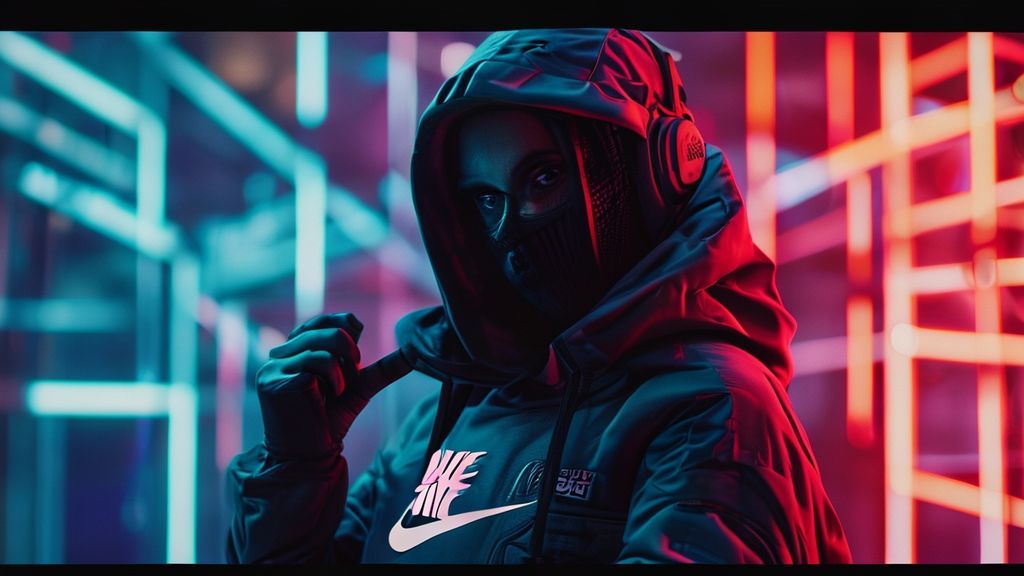
Plate · The Digital Gauntlet: Fortifying Performance Apparel Against Ransomware
The Digital Gauntlet: Fortifying Performance Apparel Against Ransomware
In the high-stakes arena of performance apparel, where innovation, speed, and precision define market leadership, the battleground has expanded beyond material science and ergonomic design. Today, the integrity of a brand’s digital infrastructure is as crucial as the tensile strength of its latest Flyknit. As senior fashion editors, our gaze extends beyond the runway to the intricate digital threads that weave the fabric of global giants. The specter of ransomware attacks, particularly against industry titans like Nike and Under Armour, casts a long shadow, demanding a critical examination of how these powerhouses safeguard their digital ecosystems and, by extension, their very brand architecture.
The contemporary landscape of techwear fashion is not merely about advanced fabrics and ergonomic silhouettes; it's about the seamless integration of data, design, and distribution. When the digital arteries of such enterprises are threatened, the ripple effects are profound, impacting everything from cutting-edge product development to the trust of a global consumer base. This isn't just a cybersecurity concern; it's an existential challenge to brand integrity in an increasingly interconnected world where digital security is the ultimate performance metric.
The Unseen Adversary: Understanding Ransomware's Vector
Ransomware, a malevolent strain of malware, operates with a chilling efficiency: it infiltrates a network, encrypts critical data, and demands a ransom—often in cryptocurrency—for its release. For brands like Nike and Under Armour, whose operations are deeply enmeshed in digital processes, the implications are catastrophic. Imagine the paralysis: design specifications for the next Air Max locked away, supply chain logistics for performance wear halted, or sensitive consumer data protection compromised.
The Threat Vector: How Cyber Adversaries Operate
These sophisticated attacks are rarely random. They often target vulnerabilities in IT systems, exploit human error through phishing, or leverage zero-day exploits. Once inside, the attackers move laterally, mapping the network before deploying their payload. The objective is clear: maximal disruption for maximal financial gain. For luxury sportswear brands, the reputational damage can far outweigh the ransom demanded, eroding years of meticulously built trust and brand equity.
“In the digital age, a brand’s resilience is measured not just by its market share, but by the robustness of its cyber defense architecture.”
Nike's Digital Fortitude: A Case Study in Resilience
Nike's global footprint is immense, encompassing a vast network of designers, manufacturers, distributors, and a direct-to-consumer digital commerce platform that processes millions of transactions daily. Its ecosystem is a marvel of fashion technology, leveraging data for everything from predictive analytics in trend forecasting to optimizing factory production. A ransomware attack on Nike would be an assault on the very nervous system of a high-performance fashion titan.
Safeguarding the Supply Chain: From Design to Delivery
Consider the supply chain resilience required to bring a new line of athleisure tech to market. From the initial conceptualization in Beaverton to the final delivery to a boutique in Shanghai, every step is digitally orchestrated. CAD files, material specifications, production schedules, and shipping manifests—all are vulnerable. A successful attack could freeze these operations, leading to costly delays, inventory backlogs, and a significant blow to revenue and market availability of highly anticipated releases.
Consumer Trust: The Ultimate Performance Metric
Beyond operational disruption, the paramount concern is consumer data protection. Nike's vast repository of customer information, including purchase history, preferences, and payment details, represents a treasure trove for cybercriminals. Any breach would not only incur regulatory penalties but, more critically, shatter the implicit trust consumers place in the brand. In the realm of performance apparel, where loyalty is fiercely earned, such a breach could be irreparable.
Under Armour's Strategic Imperative: Fortifying the Foundation
Under Armour, a brand synonymous with innovation and athletic prowess, also operates on a complex digital framework. Its focus on performance innovation security extends from the proprietary technologies embedded in its advanced materials to the data-driven insights gleaned from its connected fitness platforms. The brand’s commitment to empowering athletes through data makes it a prime target for those looking to exploit digital vulnerabilities.
Data as Performance Edge: Protecting the Athlete's Profile
Under Armour has heavily invested in digital platforms that capture biometric data and training regimens, offering personalized insights to its users. This data, while invaluable for enhancing athletic performance, is also highly sensitive. A ransomware incident could expose this personal information, undermining the brand's commitment to its athletes and compromising the very ethos of its athleisure tech offerings.
Innovation Under Siege: Maintaining the Competitive Stride
The relentless pursuit of innovation is at the core of Under Armour's identity. Protecting intellectual property—from new fabric compositions to revolutionary footwear designs—is non-negotiable. An attack that compromises R&D data could not only halt progress but also expose trade secrets to competitors, eroding the brand’s competitive edge in the fast-paced world of techwear fashion.
“For brands built on the promise of peak performance, digital resilience is the new frontier of competitive advantage.”
The Broader Implications for Performance Apparel & Luxury Fashion
These potential incidents serve as a stark reminder for the entire fashion industry security landscape. The interconnectedness of modern business means that a breach at one major player can send tremors across the entire ecosystem, affecting suppliers, retailers, and even smaller, emerging brands that rely on the same digital infrastructure or best practices.
The Interconnected Fabric: Supply Chain Vulnerabilities
The global supply chain is a complex web. A ransomware attack on a key component supplier or logistics partner could have a cascading effect, disrupting production for multiple brands. This highlights the need for end-to-end cybersecurity fashion strategies that encompass third-party vendors and partners.
Brand Architecture in the Digital Age: Reputational Resilience
In a world driven by social media and instant news cycles, a brand’s reputation can be built or shattered in moments. The transparency demanded by consumers means that companies must not only prevent breaches but also demonstrate robust incident response and clear communication in the event of one. This proactive approach to brand reputation management is now a cornerstone of digital transformation.
Proactive Protocols: Fortifying the Future
The imperative for Nike, Under Armour, and indeed all brands in the performance wear segment, is to adopt a proactive, multi-layered cybersecurity posture. This involves a continuous cycle of assessment, fortification, and adaptation, akin to the iterative design process for their products.
- Advanced Threat Detection: Deploying AI-driven security solutions that can identify anomalies and potential threats before they escalate into full-blown attacks.
- Robust Data Encryption: Implementing end-to-end encryption for all sensitive data, both in transit and at rest, to render stolen data useless to attackers.
- Zero-Trust Architecture: Adopting a security model where no user or device is inherently trusted, requiring verification at every access point.
- Regular Penetration Testing: Engaging ethical hackers to simulate attacks, uncovering vulnerabilities before malicious actors can exploit them.
- Comprehensive Employee Training: Recognizing that human error is a significant vector, continuous education on phishing, social engineering, and secure practices is crucial.
- Incident Response Planning: Developing and regularly rehearsing detailed plans for detection, containment, eradication, recovery, and post-incident analysis.
- Immutable Backups: Creating isolated, air-gapped backups of critical data that cannot be altered or encrypted by ransomware.
Concluding Insights: The New Frontier of Brand Integrity
The potential for ransomware attacks against global leaders like Nike and Under Armour underscores a fundamental truth: in the era of digital transformation, cybersecurity is not merely an IT concern; it is a core business imperative, a foundational pillar of brand integrity. For fashion editors, this means expanding our understanding of performance beyond physical attributes to encompass the digital resilience of the brands we cover.
The future of techwear fashion and luxury sportswear is one where innovation is intrinsically linked to protection. Brands that can seamlessly integrate cutting-edge design with an unyielding commitment to digital security will not only survive but thrive. They will demonstrate that true performance extends to every facet of their operation, from the molecular structure of their advanced materials to the fortified architecture of their digital domain. This is the new standard, the ultimate measure of a brand's enduring strength and its promise to the discerning consumer.